

Gun Store Simulator 2026: Gameplay Mechanics and Retail Analysis
- Game: Gun Store Simulator
- Developer: Midnight Games
- Platform: PC
- Status: Early Access
Gaming news regarding retail management titles continues to evolve, and Gun Store Simulator, developed by Midnight Games, provides a unique look at the complexities of shop ownership on PC. As part of our simulation gaming coverage, we examined the current state of this title, which tasks players with navigating the logistical hurdles of operating a specialized retail outlet in a saturated market.
Understanding the Retail Loop in Gun Store Simulator
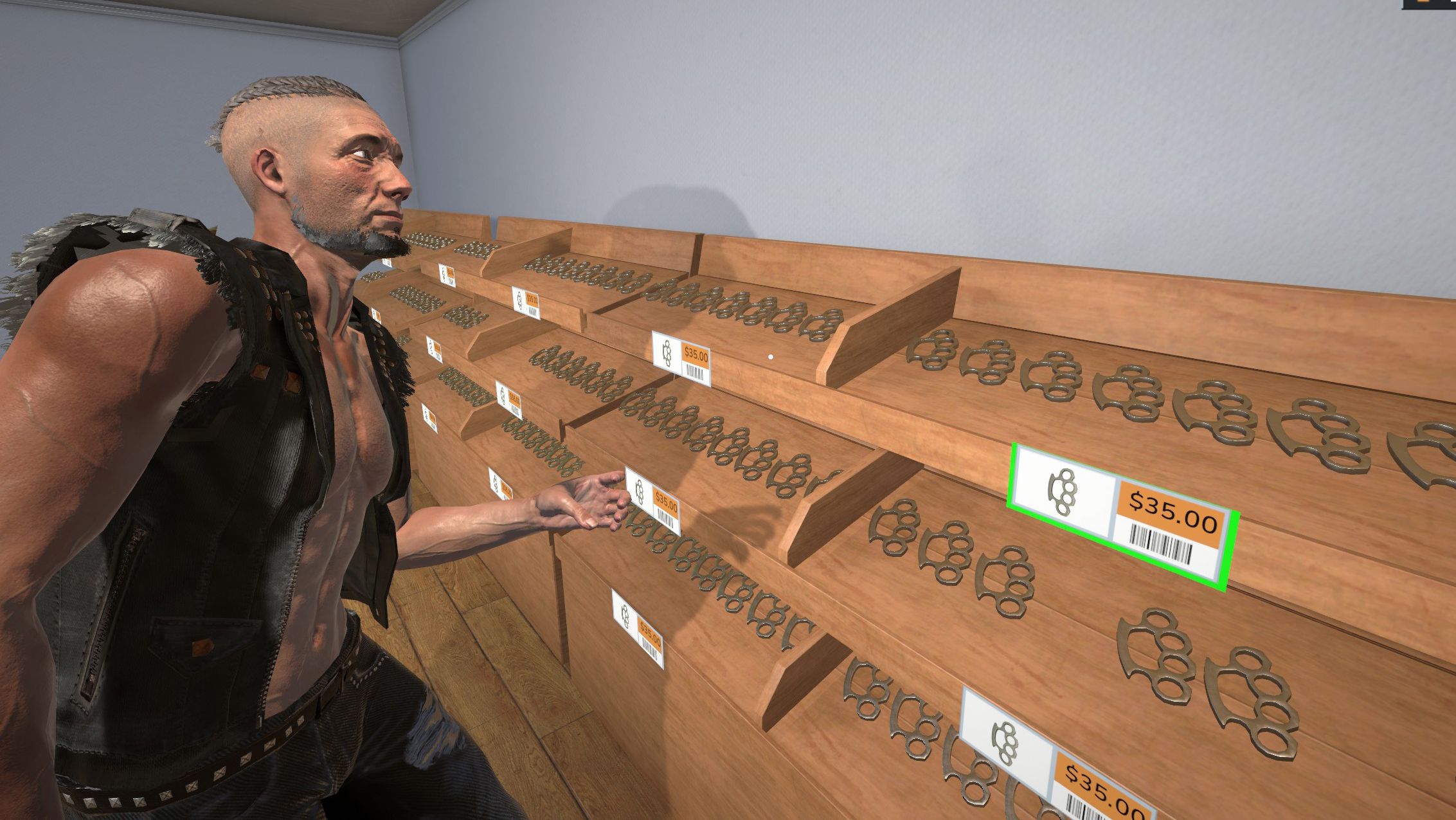
At its core, Gun Store Simulator is a management-heavy experience that places players in the shoes of a store proprietor. Upon starting the game, users are introduced to a progression system that dictates the type of inventory they can legally offer. Despite the title, players do not begin with access to firearms. Instead, the initial phase of the game restricts inventory to non-lethal and melee items, including baseball bats, brass knuckles, and various knives.
The gameplay loop involves purchasing these items from suppliers, stocking them on store shelves, and managing customer interactions at the counter. The AI-driven customers enter the store, navigate to the inventory, and proceed to the register to complete their purchase. The transaction process is straightforward: players scan items, accept digital or cash payments, and provide change to finalize the sale. This system serves as the primary method for generating revenue, which is necessary to eventually expand the store's capabilities and obtain higher-tier licenses.
Gun Store Simulator PC Gameplay Analysis 2026
Our PC gaming analysis indicates that the simulation relies heavily on the player's ability to balance supply and demand. Even without the ability to sell firearms in the early stages, the store remains functional. Customers do not express dissatisfaction with the current selection, nor do they complain about the lack of actual firearms despite the store's name. This suggests that the game's current design prioritizes the mechanics of retail management over the thematic expectations of the store's name.
The absence of firearm sales in the early game provides an interesting perspective on the economy. By focusing on melee weapons, players must learn the fundamental mechanics of store maintenance and customer flow. Once a player reaches the required level, they can apply for permits that allow for the sale of more complex items. This progression is the primary driver of the game, forcing players to optimize their floor space and inventory management to grow their business.
Strategic Considerations for Store Management
When determining what is the best strategy for Gun Store Simulator, players should prioritize efficient shelf placement and inventory turnover. Because the store name cannot be customized, players must work within the game's fixed branding. This limitation emphasizes the importance of internal store layout. A well-organized shop floor ensures that customers can reach the shelves and the register without pathfinding issues, which is essential for maintaining a high volume of sales.
The decision to stock specific items also impacts profitability. Melee weapons offer different profit margins, and balancing the inventory to meet the needs of the local, albeit robotic, customer base is essential. While some players may choose to avoid certain items—such as knives, due to their distance-based usage—the core mechanics remain focused on the act of selling. The game rewards consistency, as players who maintain a steady stream of stock and efficient checkout times are more likely to succeed in the early access environment.
Contextualizing Midnight Games Gun Store Simulator Review 2026
It is important to note that Midnight Games has positioned this title as an early access project. This means that features such as the permit system, inventory variety, and store customization are subject to change based on developer updates. When comparing this to other titles in the genre, the focus on the retail aspect is the standout feature. Unlike shooters such as Gun Gun Pixies, which was released in 2019 and holds a Metacritic score of 46, Gun Store Simulator is strictly a management simulation. It does not contain combat mechanics for the player; rather, the player facilitates the trade of items that others might use.
The game's reliance on a permit system acts as a gatekeeper for content, which is a common trope in simulation games. By strictly controlling what can be sold, the developer forces players to engage with the basic retail mechanics before moving on to more complex inventory. For players looking for a deep dive into the logistics of retail, this provides a clear, albeit narrow, path to progression.
Frequently Asked Questions
Is Gun Store Simulator worth playing in 2026?
Gun Store Simulator offers a niche retail management experience focused on inventory and customer service, though it currently lacks deep firearm-specific mechanics in early access.
How does the economy work in Gun Store Simulator?
The economy functions through a permit-based system where players purchase stock, manage retail shelves, and process customer transactions at the point of sale.
What is the best strategy for Gun Store Simulator?
The most effective strategy involves managing initial permit limitations by focusing on high-turnover melee inventory while preparing for future license upgrades.