
Hackers Have Bypassed Denuvo DRM in 2026: 2K Implements Online Checks
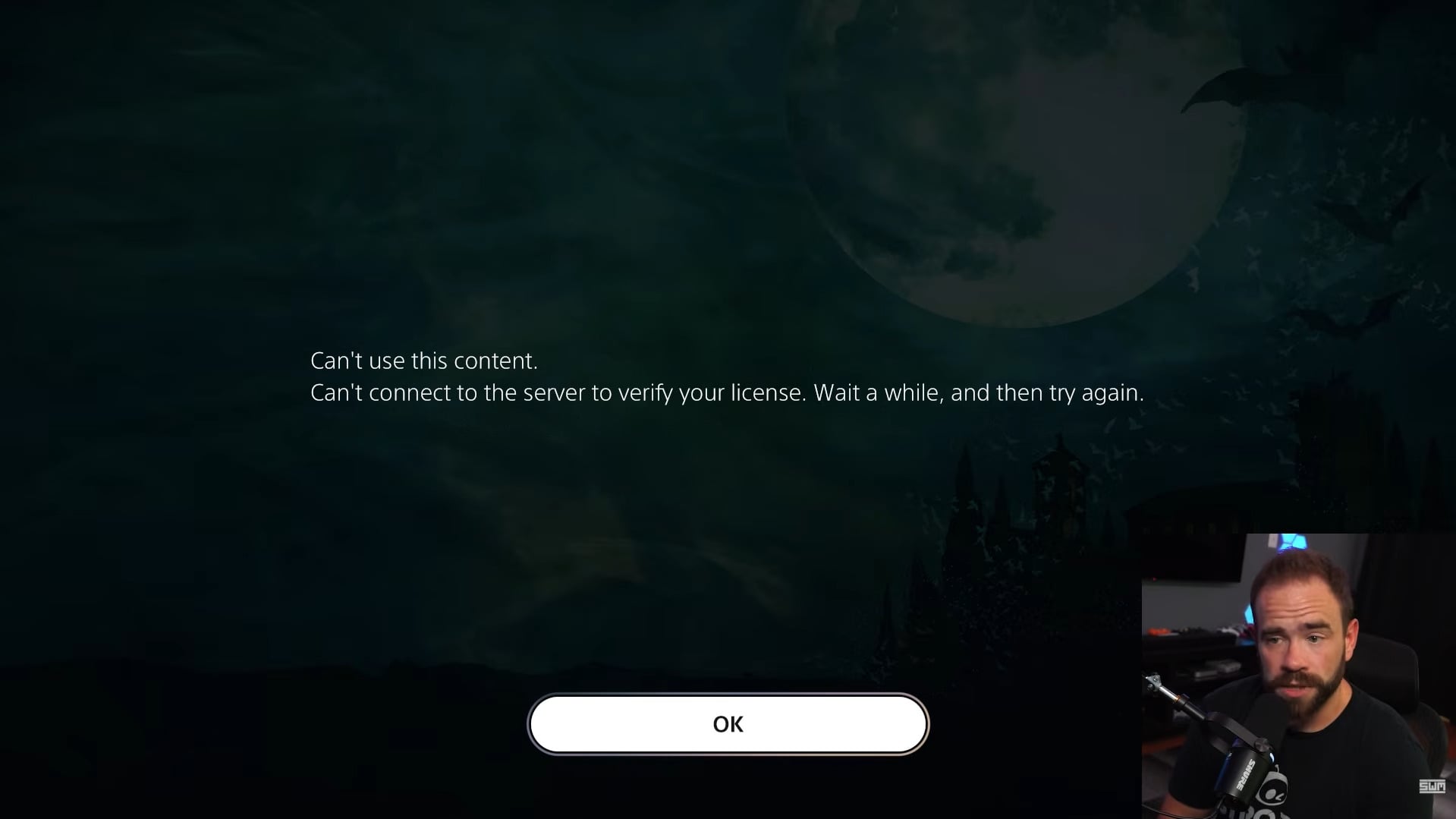
- Primary Issue: Hackers Have Bypassed Denuvo DRM in 2026
- Publisher Response: 14-day online check-in policy
- Platform Affected: PC
- Core Technology: Denuvo Anti-Tamper
Hackers have bypassed Denuvo DRM protection across a wide array of titles in 2026, forcing publishers to seek alternative methods to prevent unauthorized access. In response to these developments, 2K Games has implemented a strict 14-day online check-in policy for its PC software titles to maintain license verification. As we track these developments at In Game News, it is clear that the cat-and-mouse game between software developers and those attempting to circumvent digital protections has reached a new level of intensity this year.
The Current State of Denuvo DRM Bypass Techniques
The security of Denuvo Anti-Tamper has been a central point of contention for years, but reports from 2026 indicate that the protection is no longer the barrier it once was. Hackers claim to have discovered a new bypass technique that allows them to effectively strip or ignore the DRM implementation in games that rely on the software. This development suggests that the traditional methods of protecting PC games are facing significant challenges.
The impact of this bypass is widespread. Because Denuvo is used by many major publishers to protect high-profile releases, the ability to circumvent it has implications for the entire industry. While Denuvo has historically been marketed as a way to protect the initial sales window of a game, the latest reports suggest that hackers have found ways to bypass these protections in every game they target, regardless of the specific implementation version.
For more updates on software security and industry trends, you can follow our DRM coverage here.
2K Games Responds with 14-Day Online Requirements
In light of these security failures, 2K Games has reportedly shifted its strategy to mitigate the impact of unauthorized access. The publisher is now integrating a 14-day online check-in requirement into its PC titles. This system functions by requiring the game client to verify the user's license by connecting to 2K servers at least once every two weeks.
This shift represents a move away from relying solely on static anti-tamper software toward a more active, server-side authentication model. By forcing a periodic check, the developer ensures that even if the local files are modified or bypassed, the game will remain unable to launch without a valid, server-verified token. This approach is intended to ensure that the software remains tied to the official distribution platform, regardless of the status of the underlying DRM.
For readers interested in how these changes affect the wider gaming market, we encourage you to check out our PC gaming news archives.
Industry Implications of Mandatory Connectivity
The move toward mandatory online check-ins is not without controversy. Many PC players prefer offline capabilities, and the requirement to connect to the internet every 14 days adds a layer of friction to the user experience. However, from the perspective of publishers like 2K, this is a necessary step to protect their intellectual property in an environment where traditional DRM is being bypassed with increasing frequency.
The following list outlines the key aspects of the current situation:
- Bypass Claims: Hackers report that the latest Denuvo versions are susceptible to new, consistent bypass methods.
- Publisher Strategy: Companies are moving toward "heartbeat" or "check-in" systems to maintain control over software licenses.
- User Experience: PC players are now required to maintain an active internet connection at least twice a month to keep their games playable.
- Security Evolution: The industry is shifting from static protection to active, server-side verification to combat piracy.
While the effectiveness of these measures remains to be seen, the industry is clearly moving toward a model where offline play is becoming increasingly restricted. As hackers continue to develop tools to bypass local protections, publishers are likely to double down on server-dependent features.
Frequently Asked Questions
Has Denuvo DRM been fully cracked in 2026?
Hackers have utilized a new bypass technique that they claim allows them to circumvent Denuvo anti-tamper protection across all games currently using the software.
What is the new 2K 14-day online check-in policy?
2K Games has introduced a security measure requiring PC players to verify their game license via an online connection at least once every 14 days to continue playing.
How does the new 2K DRM system work for PC players?
The system functions as an authentication gate that forces the game client to ping 2K servers periodically, ensuring the software remains authorized for use.
Neverness to Everness Release Date, Countdown, and Pre-load Guide 2026Dungeon Crawler Carl
Best Books Like Dungeon Crawler Carl for LitRPG Fans in 2026PlayStation
PS5 Game Expiry DRM Potentially Explained: 2026 Status ReportAction
Into The Ground With These Mario Themed Coffins: 2026 Industry Update