
JRPGs That Were Way Too Ambitious: Hardware Limits in 2026
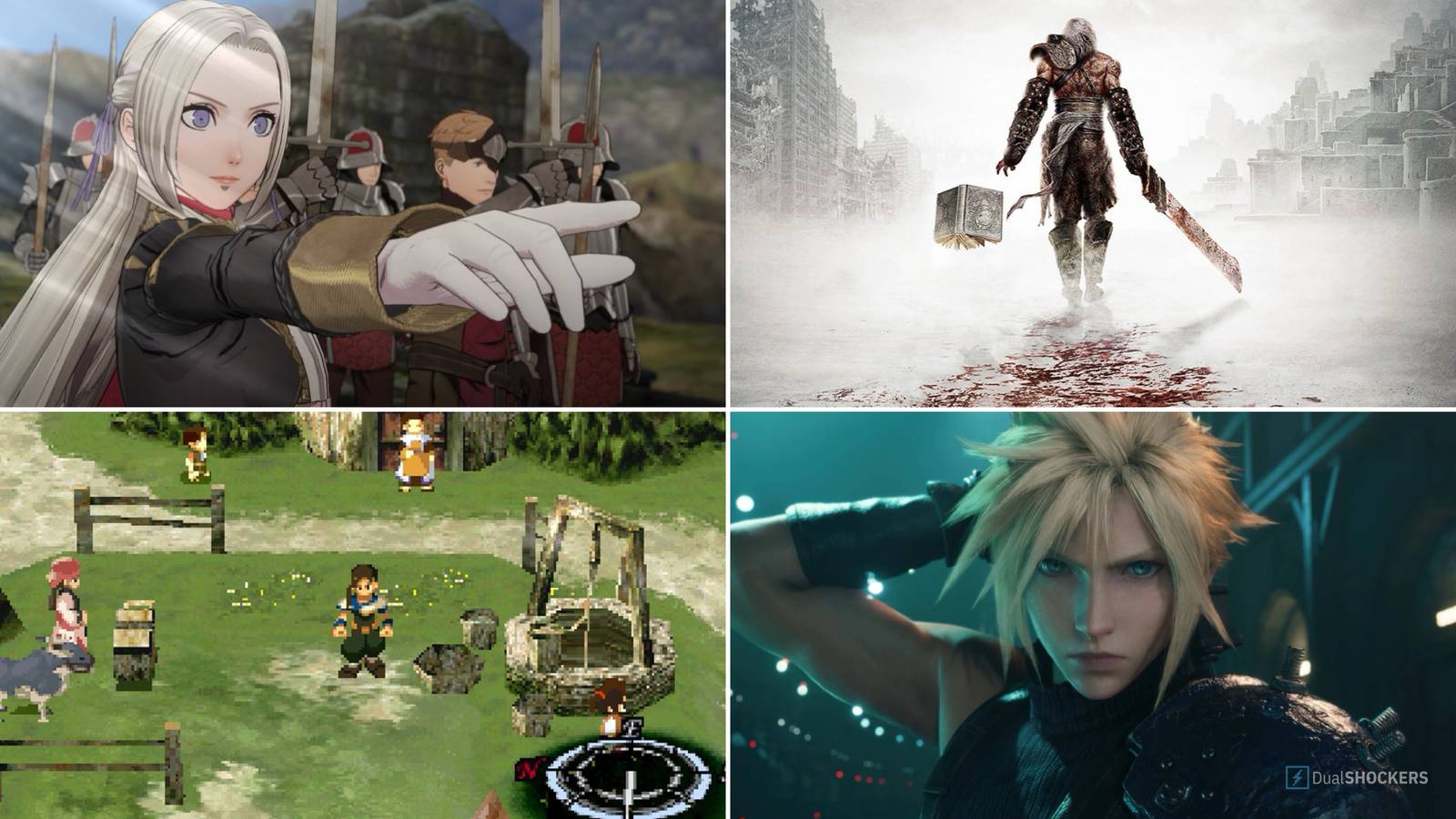
- Game 1: The Legend of Dragoon
- Game 2: Fire Emblem: Three Houses
- Author: Adam Braunstein
- Publication Date: April 17, 2026
Certain titles in the role-playing game genre are often described as way too ambitious for the hardware they occupied, a trend analyzed by Adam Braunstein in his published Apr 17, 2026 report for In Game News. Throughout the history of gaming, developers have frequently attempted to deliver massive, 50-plus hour experiences that pushed the technical boundaries of their respective consoles. While the modern era of JRPGs that pushed hardware limits 2026 allows for greater graphical fidelity, historical titles often struggled to balance grand narrative scope with the constraints of the original hardware.
The Legend of Dragoon and the PlayStation Hardware Ceiling
The Legend of Dragoon, developed by Japan Studio and published by Sony Computer Entertainment, stands as a primary example of a project that arguably arrived before its time. Released on June 14, 2000, for the original PlayStation, the game was Sony's direct response to the massive success of the Final Fantasy franchise during the 1990s. While it eventually gained a cult following and is available on PlayStation 4 and PlayStation 5, the title faced significant hurdles during its initial launch.
The technical limitations of the PlayStation hardware meant that while the game featured pre-rendered backgrounds, the character models and combat animations often appeared dated compared to its contemporaries. Critics and players have noted that if the development team had been granted an additional year or two to release the game on the PlayStation 2, the transformation sequences and character models could have better matched the developers' original vision. Instead, the game remains a classic example of a title that suffered from being way too ambitious for the hardware available at the time.
Fire Emblem: Three Houses and the Nintendo Switch Constraints
In our coverage of classic JRPGs that exceeded original console capabilities, Fire Emblem: Three Houses serves as a more recent case study. Developed by Intelligent Systems and published by Nintendo, the game was released on July 26, 2019, for the Nintendo Switch. With a Metacritic score of 89, the game is widely regarded as a successful entry in the strategy RPG genre, yet it faced distinct technical challenges.
The Fire Emblem Three Houses technical limitations analysis reveals that the game struggled to portray large-scale warfare on the Nintendo Switch. Depicting a grand war requires significant processing power to handle troop density and environment scale, both of which were hampered by the modest hardware of the console. While the game delivers a deep 50-hour experience, it is clear that the scope of the narrative and the scale of the battles often exceeded what the hardware could render without compromise.
Comparing Hardware Ambition Across Eras
When examining what are the most ambitious JRPGs of all time, it is helpful to look at how different developers approached the limitations of their hardware. The following list highlights key differences between the two titles discussed in this report:
- The Legend of Dragoon: Released during the transition between PlayStation generations; suffered from graphical limitations in character models and combat animations.
- Fire Emblem: Three Houses: Released on the Nintendo Switch; struggled with rendering large-scale battlefields and troop density due to hardware constraints.
- Commonality: Both games prioritized narrative depth and scope, often resulting in performance trade-offs to maintain their respective 50-hour gameplay loops.
For more information on the history of the genre, you can browse our JRPG coverage or check out our retro gaming archives.
The Evolution of JRPG Development
The mid-2000s to mid-2010s represented a period where the JRPG genre experienced a decline in blockbuster output. During this time, many developers struggled to adapt to the rising costs of high-definition development. The games that did manage to succeed were those that understood the limitations of their platforms while still aiming for the 50-hour minimum length that fans of the genre expected. By 2026, the industry has seen a resurgence, but the lessons learned from titles like The Legend of Dragoon and Fire Emblem: Three Houses continue to inform how developers approach hardware scaling.
The ambition to create expansive stories often clashes with the reality of rendering technology. As we continue to monitor the industry, it is evident that the technical ceiling is a constant factor in game design. Whether it is the pre-rendered backgrounds of the late 90s or the complex strategy maps of the late 2010s, the drive to exceed hardware capabilities remains a defining trait of the JRPG genre.
Frequently Asked Questions
Why was The Legend of Dragoon considered ambitious for the PlayStation?
The Legend of Dragoon was considered ambitious because it attempted to compete with high-budget cinematic RPGs despite the technical limitations of the original PlayStation hardware.
What were the technical limitations of Fire Emblem: Three Houses?
Fire Emblem: Three Houses faced technical limitations due to the modest hardware capabilities of the Nintendo Switch, which struggled to render large-scale war environments effectively.
What are some classic JRPGs that exceeded original console capabilities?
Titles like The Legend of Dragoon and Fire Emblem: Three Houses are frequently cited as JRPGs that pushed hardware limits by attempting complex visual and narrative feats beyond their host systems' power.
Fallout: New Vegas Development Drama: Designer Recalls Bethesda LectureEsports
Sintopia Achievement Guide 2026: How to Unlock All AchievementsAction
Wuthering Waves Update 3.3 Release Date, Banners, and Content Guide 2026Clair Obscur: Expedition 33
Clair Obscur: Expedition 33 Joins Elden Ring and BG3 in GOTY History