
Meta Quest Pricing Increases: What PC Gamers Need to Know in 2026
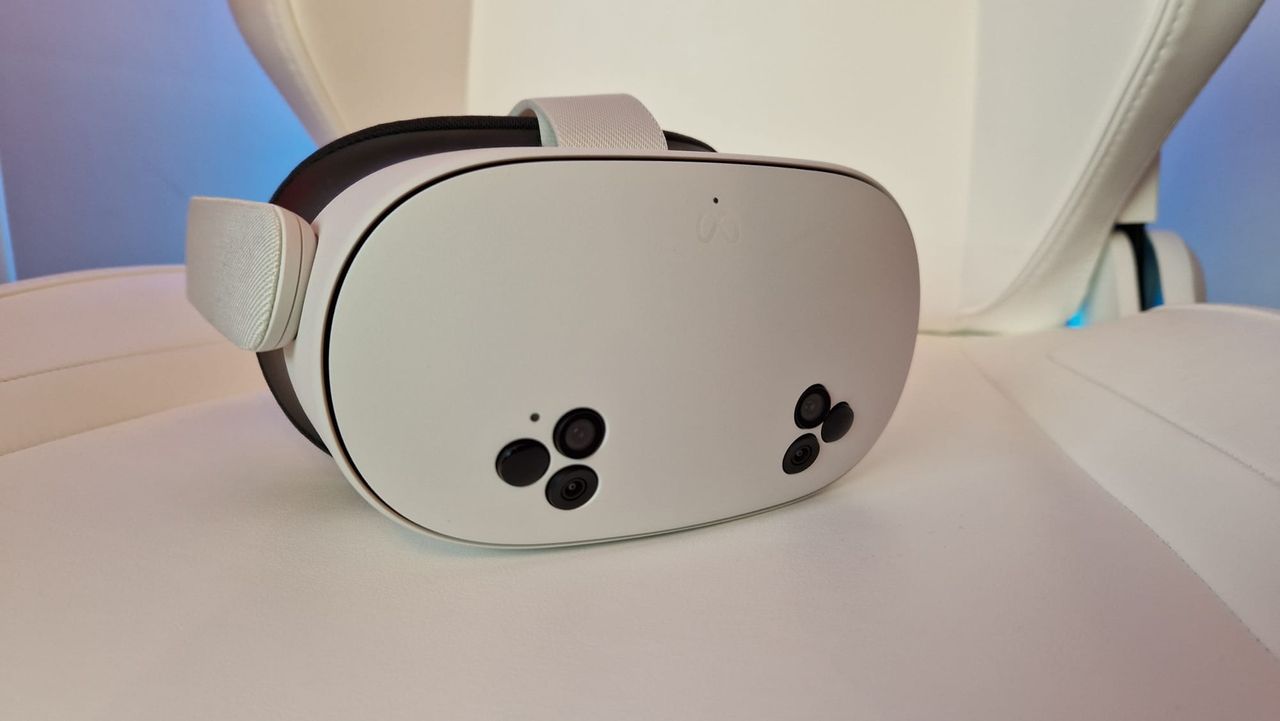
- Hardware Affected: Meta Quest 3 and Meta Quest 3S
- Price Change: Increase of up to $100
- Primary Platform: PC (via SteamVR)
- Manufacturer: Meta Platforms, Inc.
Meta has officially confirmed an upward adjustment in the pricing for its Meta Quest 3 and Meta Quest 3S virtual reality hardware, with costs rising by as much as $100. This shift in pricing strategy for the popular standalone headsets arrives as the broader virtual reality market continues to evolve in 2026, forcing consumers to reconsider their entry points into the medium. For PC players who rely on these devices to access their libraries on Steam, the increased cost of entry represents a notable change in the financial requirements for high-fidelity VR gaming.
The Impact of Meta Quest Price Adjustments
The decision to increase the cost of the Meta Quest 3 and 3S series follows a period where these devices served as the primary hardware for many users engaging with PC-based virtual reality. By raising the price, Meta has effectively altered the cost-to-performance ratio that previously made these headsets a common recommendation for those looking to play titles on Steam without investing in specialized, tethered hardware.
In our coverage at In Game News, we have observed that hardware pricing remains a sensitive factor for the adoption of VR technologies. When the cost of a headset increases, it often forces a re-evaluation of the entire ecosystem. Users who previously viewed these headsets as budget-friendly options for PC VR may now look toward alternative hardware or delay their purchases entirely. This shift is particularly relevant as the industry monitors how major players, including Valve, navigate the hardware space.
Market Competition and the Potential for New Hardware
The pricing changes implemented by Meta have sparked renewed interest in the potential for competition from other industry leaders. Specifically, the long-rumored project often referred to as the "Steam Frame" has become a focal point for enthusiasts. While Valve has not provided an official release date or confirmed the existence of such a device, the current market climate suggests that a dedicated Steam-native headset could find a receptive audience if it can offer a competitive alternative to the rising costs of existing options.
For those interested in the latest developments, you can follow our hardware industry coverage to stay updated on any official announcements regarding new gaming peripherals. The relationship between software distribution platforms and hardware manufacturers is increasingly strained as companies seek to balance profitability with market share. In the case of Meta, the decision to increase pricing appears to be a strategic move to adjust their margins, though the long-term effects on their user base remain to be seen.
Key Considerations for PC VR Enthusiasts
PC players who utilize SteamVR are currently navigating a landscape where hardware choices are limited. The following points summarize the current situation regarding the Meta Quest price increase:
- Financial Barrier: A $100 price increase serves as a significant hurdle for new users looking to enter the VR space.
- Platform Dependency: Many users rely on the Meta Quest as a bridge to play PC titles, meaning they are directly affected by Meta's pricing policies.
- Alternative Options: As prices rise, the incentive for competitors to introduce new, more affordable, or better-value hardware increases.
- Steam Ecosystem: The potential for a Valve-branded headset remains a highly anticipated, albeit unconfirmed, prospect for the future of the platform.
For more information on how these trends affect the broader gaming industry, readers can view our industry analysis archive. We continue to monitor official statements from both Meta and Valve to provide the most accurate reporting on these developments.
Future Outlook for Virtual Reality Gaming
As we progress through 2026, the cost of entry for virtual reality will likely remain a central theme in gaming discussions. The Meta Quest 3 and 3S have provided a specific level of performance that many users have come to expect. Whether this price hike will lead to a decline in adoption or simply shift the market toward different hardware tiers is a question that remains unanswered. What is certain is that the community is watching closely, waiting to see if other manufacturers will follow suit or if a new competitor will emerge to disrupt the current pricing structure.
Frequently Asked Questions
How much has the price of the Meta Quest 3 increased?
The price for the Meta Quest 3 and 3S hardware has risen by up to $100 as part of a recent adjustment by Meta.
Does the Meta Quest price hike affect PC VR users?
Yes, the price increase applies to the hardware, which is frequently used by PC gamers for wireless virtual reality experiences via platforms like Steam.
Is there a Steam VR headset currently available?
Valve has not released a standalone headset, though industry speculation continues to surround the potential development of a device codenamed 'Steam Frame'.