
Naraka: Bladepoint Host Zhazha Addresses Clothing Controversy in 2026
- Game: Naraka: Bladepoint
- Developer: 24 Entertainment
- Platform: PC, PlayStation 5, Xbox Series S/X
- Genre: Massively Multiplayer, Adventure, Action, RPG
Much like the intense scrutiny often seen in League of Legends or LoL esports, the community surrounding Naraka: Bladepoint has found itself embroiled in a debate regarding the treatment of women in professional broadcasting. Following a series of misogynistic comments directed at her appearance, Naraka: Bladepoint host and caster Zhazha orchestrated a high-profile response that gained significant attention across the industry. While organizations like Riot Games and teams such as FaZe Clan have historically navigated the complex intersection of public perception and gendered criticism, this latest incident highlights the ongoing challenges faced by female talent in competitive gaming spaces.
The Origins of the Zhazha Naraka Bladepoint Controversy Explained
The controversy began when Zhazha appeared on a live broadcast wearing a short skirt, a choice that triggered a wave of negative feedback from some segments of the viewership. Critics argued that her attire was distracting and speculated that the host was being paid or pressured by the developers to dress in a revealing manner to inflate viewer numbers. This narrative—that a woman's professional appearance is a calculated marketing ploy—is a recurring theme in latest Naraka: Bladepoint esports news 2026.
Zhazha addressed these claims directly through a statement posted on Weibo. She explicitly refuted the idea that her wardrobe was managed or dictated by anyone other than herself. "No one has ever arranged for me to wear a short skirt," she stated, emphasizing that her professional choices are autonomous. "As a commentator, my outfits have always been chosen by myself. No one has ever forced me to wear inappropriate clothing on official broadcasts to appear in public."
Zhazha's Response: Satire and Public Statement
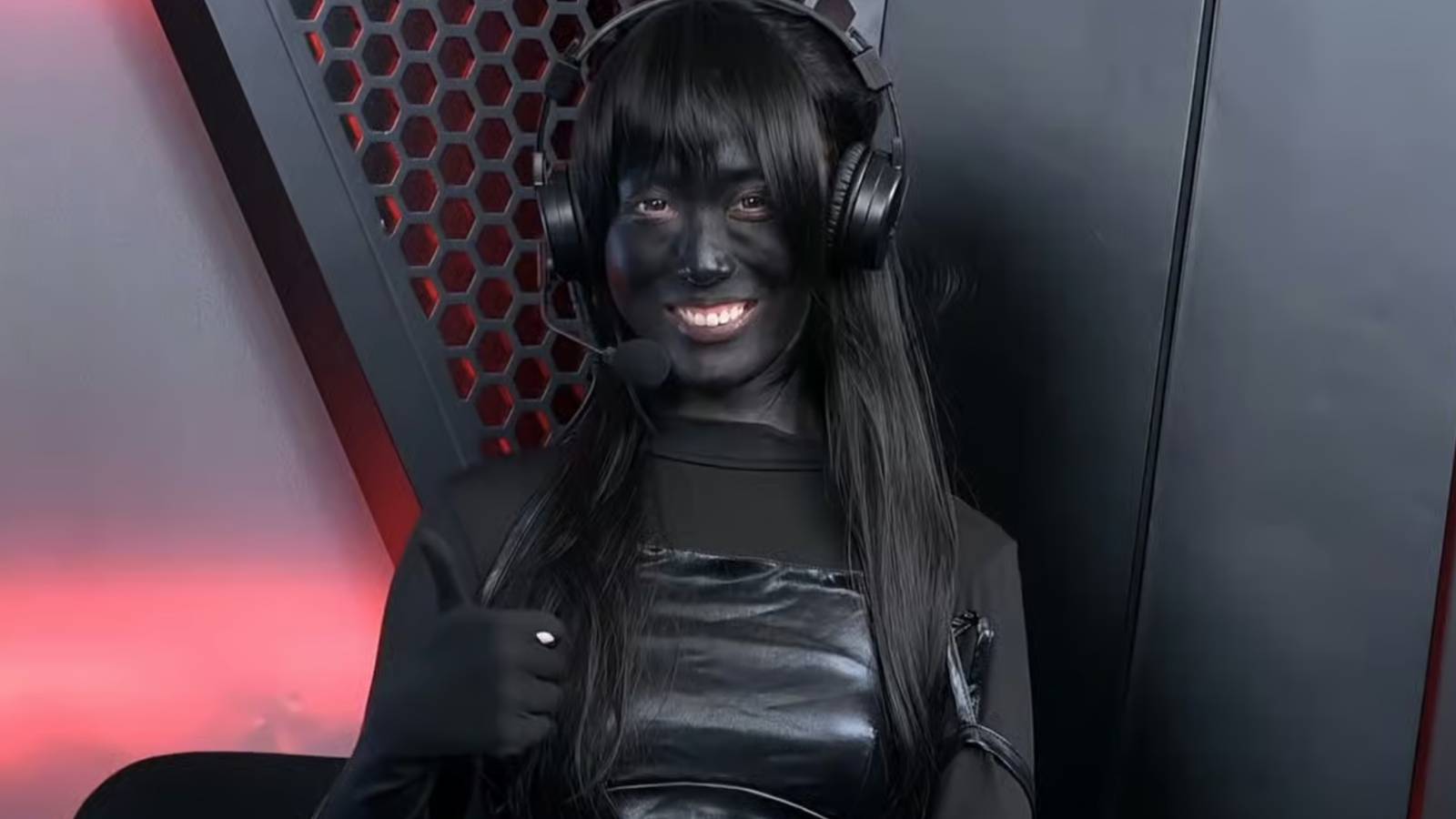
In a move to illustrate the absurdity of the criticism, Zhazha chose to wear an entirely black outfit during a subsequent broadcast, a look coordinated with her co-hosts to present a unified, monochromatic aesthetic. This choice was intended as an "extreme" form of satire, designed to highlight the disproportionate attention paid to her clothing rather than her performance as a caster.
"The outfit I wore on today's broadcast was an extreme choice meant as a form of satire in response to those comments," Zhazha explained. By adopting such a stark, conservative look, she aimed to force a conversation about the double standards inherent in how audiences perceive and judge female hosts. She noted that she does not oppose the concept of "clothing freedom" or the ability for women to wear what they choose, but rather sought to push back against the unsolicited policing of her professional persona.
The incident serves as a reminder of the pressures faced by women in the industry. As we have observed in our coverage at In Game News, the scrutiny of women in esports often far exceeds that of their male counterparts. This environment creates a difficult professional landscape where talent is frequently overshadowed by gendered commentary.
Community Reaction and Industry Context
The reaction to Zhazha's statement has been varied, reflecting the polarized nature of modern gaming communities. While many have supported her right to choose her own attire, others continue to debate the appropriateness of broadcast standards. This situation mirrors broader discussions occurring within the LoL scene and other major competitive titles, where the professionalization of broadcasting talent has sometimes clashed with entrenched community attitudes.
In her statement, Zhazha urged the community to remain rational and to avoid taking her actions out of context. She expressed a desire to move past the controversy and focus on her primary role: providing high-quality commentary for the game. "I am just a regular staff member who wants to focus on commentary and do my job well," she concluded. Her plea for reasonableness highlights the human element often lost in the digital discourse surrounding esports personalities.
Looking Ahead: The State of Naraka: Bladepoint
Naraka: Bladepoint, which was released on August 11, 2021, continues to maintain a significant presence in the battle royale and action RPG genres. With a Metacritic score of 71, the game has established a dedicated player base across PC, PlayStation 5, and Xbox Series S/X. As the game enters its fifth year of operation in 2026, the focus remains on balancing competitive integrity with the management of its public-facing talent.
The incident involving Zhazha is not an isolated event but rather a reflection of the broader culture within the gaming ecosystem. As the industry continues to evolve, the way developers, tournament organizers, and the community handle such controversies will be a defining factor in the professionalization of esports. For now, the Naraka: Bladepoint community continues to watch how the developers address these cultural tensions while maintaining the game's competitive standing.
Frequently Asked Questions
What happened to Naraka: Bladepoint host Zhazha?
Host Zhazha faced online harassment and misogynistic comments regarding her choice of clothing during live broadcasts, leading her to stage a satirical response.
Why did Zhazha wear black paint on stream?
Zhazha wore an all-black outfit as an extreme, satirical response to viewers who claimed her previous, more revealing clothing choices were unprofessional or forced by management.
What was the Naraka: Bladepoint caster clothing complaint response?
Zhazha clarified via Weibo that all her outfit choices are her own, denying that she was ever pressured or paid by the studio to wear specific clothing.