
Nintendo Release Date Strategy: Insights on Vaulted Games for 2026
- Topic: Nintendo Game Release Strategy
- Key Sources: Kit Ellis and Krysta Yang
- Primary Platform: Nintendo Switch
- Strategy: Strategic holding of finished software
The question of how Nintendo determines its official release date schedule and manages the pre-load availability for its library has long been a subject of industry speculation. Recent commentary from former Nintendo marketing leads provides clarity on the company's internal operations, confirming that Nintendo frequently holds finished games in a vault to ensure a steady flow of content. By managing a stockpile of completed ports and remakes, the company maintains a consistent release calendar, effectively avoiding lulls in the Nintendo Switch ecosystem.
Nintendo Vault Strategy for Finished Games Explained
In a recent episode of the Kit & Krysta podcast, former Nintendo of America employees Kit Ellis and Krysta Yang addressed inquiries regarding the company's release methodology. Krysta Yang, who served as senior manager of creator relations and original content, confirmed that the rumor regarding Nintendo sitting on finished games is accurate. According to Yang, the company historically "socked away" various titles, particularly remakes and ports, to be deployed when the business strategy required new software to fill a gap in the schedule.
This approach allowed Nintendo to maintain a long lifecycle for the Nintendo Switch. By having a batch of ready-to-play titles prepared in advance, the publisher could pivot its release calendar to ensure that no significant periods of inactivity occurred for consumers. This "vault" strategy serves as a buffer, enabling the company to maintain momentum even if primary development cycles face unexpected delays.
What Did Kit Ellis and Krysta Yang Say About Nintendo Releases?
During their discussion with guest Lucy James, Ellis and Yang provided insight into the operational culture at Nintendo. Yang noted that the practice was widespread, especially for smaller projects or re-releases. "That totally happened though in the past where a lot of these things, they just sock away in the Nintendo vault," Yang explained. She emphasized that this was a strategic move to ensure that whenever a lull appeared in the release calendar, the company could immediately offer a finished product to the market.
While Yang departed the company in 2022, she acknowledged that the current development landscape may be shifting. She noted that the challenges associated with developing hardware and software for the successor to the Nintendo Switch—often referred to as the Switch 2—have likely changed the internal pressures at the company. She suggested that the current development environment is significantly different from the era in which she managed creator relations, noting that the time required for modern development has forced a change in how the company approaches its long-term planning.
Historical Evidence and Industry Context
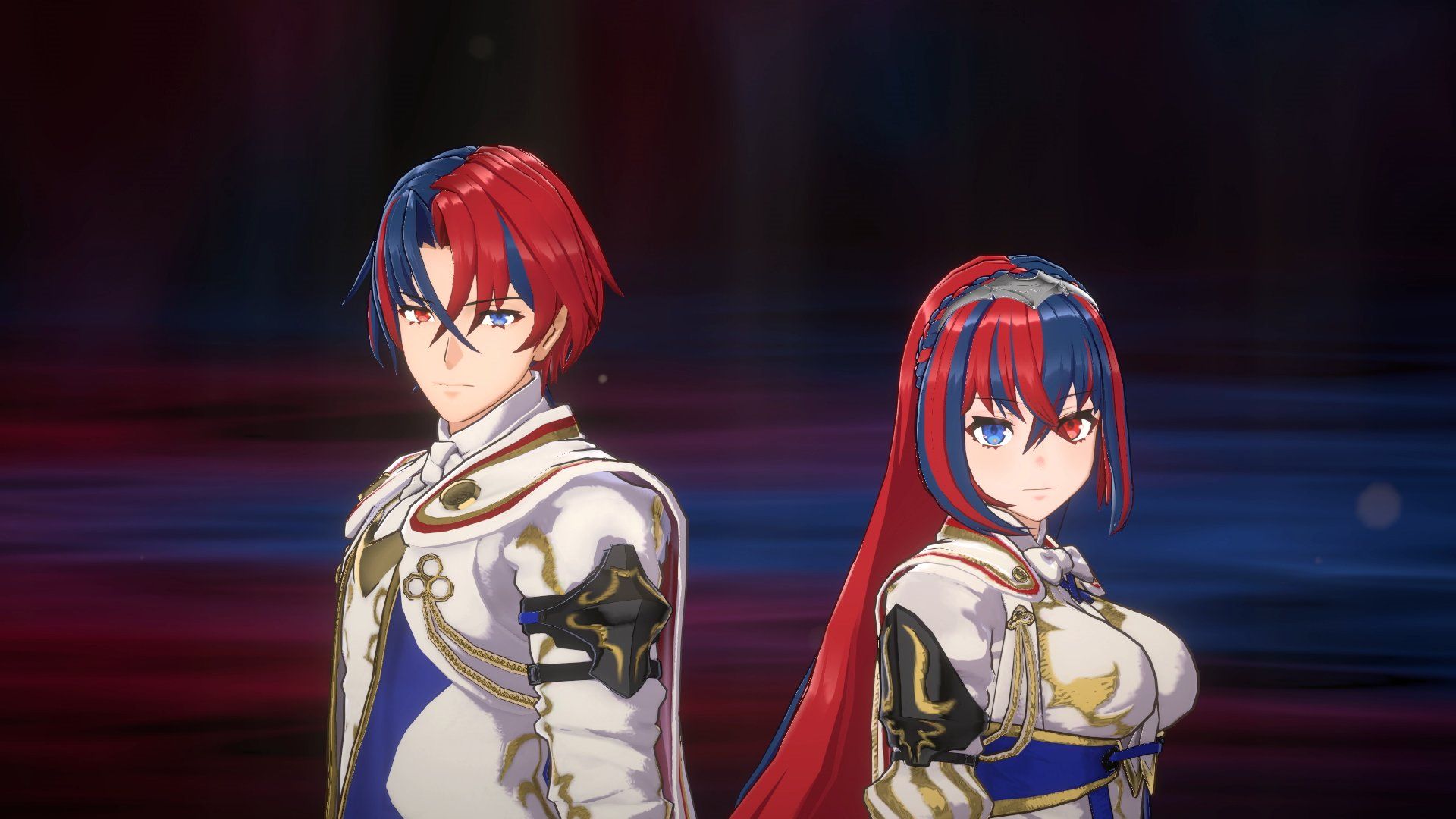
The confirmation of this strategy aligns with previous industry observations regarding Nintendo's release patterns. For instance, the title Fire Emblem Engage was reportedly completed for over a year before its official reveal and subsequent release. Such instances of long-term storage are not isolated, according to the insights shared by the former marketing leads. This practice explains how the publisher manages to keep its gaming industry presence stable throughout the fiscal year.
The following table summarizes the key aspects of Nintendo's historical release management as discussed by the former executives:
| Strategy Component | Operational Purpose |
|---|---|
| Vaulting | Storing completed titles to fill calendar gaps. |
| Strategic Deployment | Releasing ports/remakes to maintain console momentum. |
| Buffer Creation | Mitigating the impact of development delays. |
For players waiting for specific titles, this information suggests that the absence of a game from the release calendar does not necessarily indicate that development is incomplete. Instead, it may simply mean the title is currently held in the vault, awaiting a strategic window for launch. As of 2026, industry observers continue to monitor whether this strategy remains the primary method for managing the transition between hardware generations.
Frequently Asked Questions
Do Nintendo games sit in a vault before release?
Yes, former Nintendo marketing executives Kit Ellis and Krysta Yang have confirmed that the company frequently holds completed games in a vault to strategically fill gaps in the release calendar.
Did Nintendo confirm holding finished games for release?
Former senior managers at Nintendo of America have stated that the practice of "socking away" finished ports and remakes to ensure a consistent release schedule is a factual part of the company's historical strategy.
How does Nintendo decide their game release calendar 2026?
Nintendo typically manages its release calendar by strategically deploying a stockpile of completed software, such as ports and remakes, to prevent lulls in the platform's lifecycle.
OPUS: Prism Peak Arrives on Nintendo Switch 2 and Switch SystemsGame Updates
Tomodachi Life: Living the Dream Update 1.0.1 Released for Nintendo S...Action
RF Online Next Global Release Date: Everything We Know in 2026Adventure
Yoshi and the Mysterious Book Launches May 2026 on Nintendo Switch 2