
Original Uncharted 4 Details Revealed By Ex Naughty Dog Dev In 2026
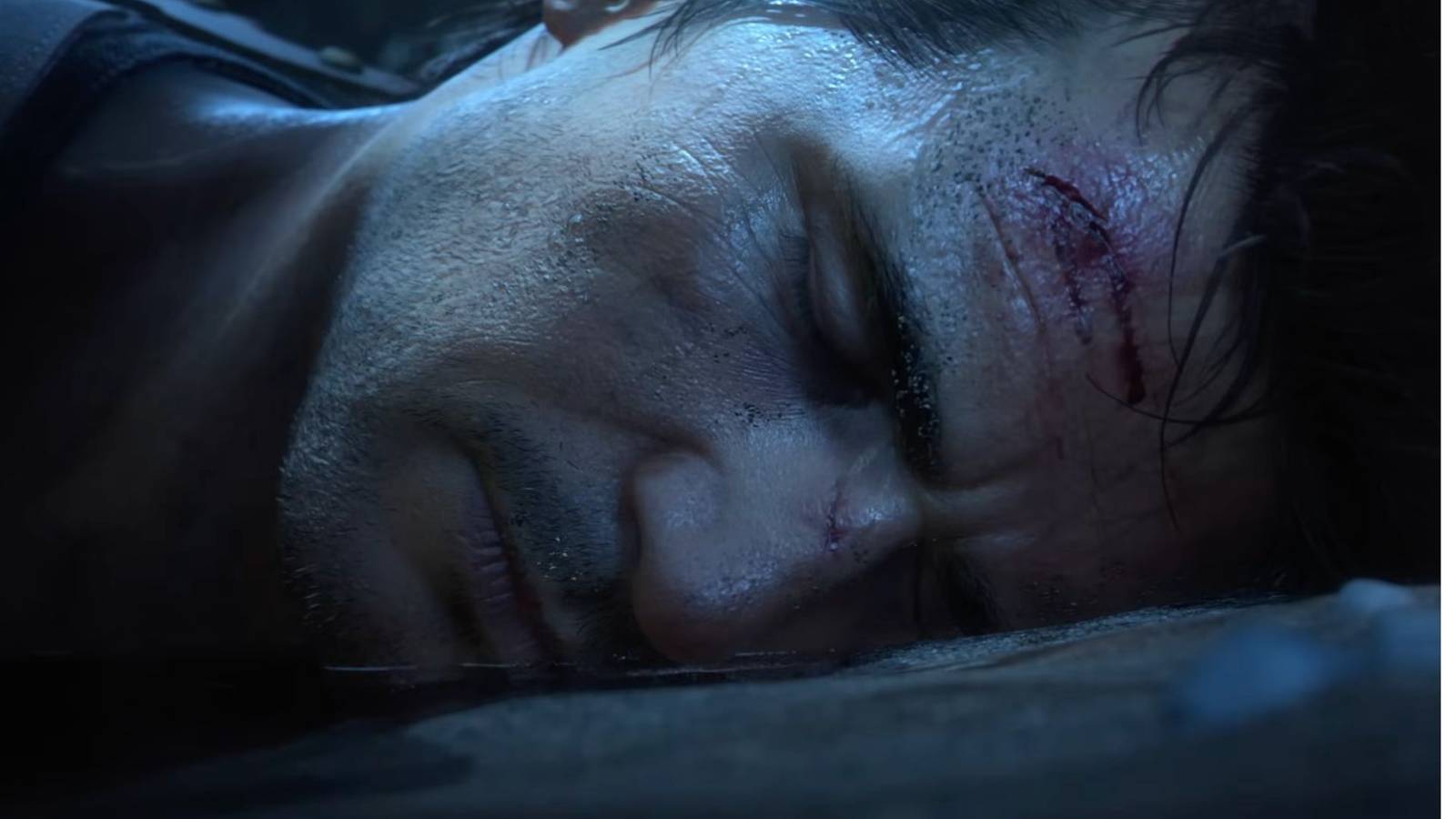
- Game: Uncharted 4: A Thief’s End
- Developer: Naughty Dog
- Original Director: Amy Hennig
- Source: Gabriel Betancourt (Former Lighting Director)
Original Uncharted 4 development details revealed by a Naughty Dog dev have finally shed light on the troubled production of the 2016 action title. As reported by In Game News, Gabriel Betancourt, a former lighting director at Naughty Dog, recently discussed the project's early stages in an interview with YouTuber Kiwi Talkz. These new details provide insight into the version of the game originally spearheaded by Amy Hennig before the studio famously overhauled the project into the version released on PlayStation 4 and later PlayStation 5.
Understanding the Original Uncharted 4 Development Details Revealed By Ex Naughty Dog Dev
The history of Uncharted 4: A Thief’s End has long been a subject of speculation for fans of the franchise. While the final product, released on May 10, 2016, holds a 93 Metacritic score and is widely regarded as a high-water mark for the shooter genre, the path to its release was far from straightforward. For years, the industry has known that the game underwent a massive creative shift following the departure of Amy Hennig, but concrete information regarding the state of that initial build has remained scarce until now.
Gabriel Betancourt, who served as a lighting director at the studio during this period, provided a candid look at the internal culture at Naughty Dog during the project's early development. According to Betancourt, the team was operating under the assumption of continued success following the release of three critically acclaimed predecessors. This atmosphere of overconfidence reportedly led to a lack of critical oversight, which Betancourt described as being surrounded by "yes men" who were blinded by the studio's previous achievements.
What Was Amy Hennig's Original Vision For Uncharted 4?
While Betancourt does not explicitly name the project in his interview, the timeline he describes aligns with the development cycle of the original Uncharted 4 iteration. He notes that the project had been in development for approximately three years before it was ultimately scrapped. During this time, the game was intended to take the series in a darker direction, focusing on the relationship between Nathan and Sam Drake, a concept that was significantly altered during the subsequent rework.
The internal reception of this early version was reportedly poor. Betancourt revealed that when a director from another team within Naughty Dog was brought in to provide an objective assessment of the build, their feedback was blunt: "This game sucks." This assessment was based on several fundamental issues that plagued the prototype, including:
- Lack of clear objectives for the player.
- Clunky and unresponsive control schemes.
- A narrative structure that was difficult to follow.
These technical and design failures highlight why the studio eventually chose to pivot away from Hennig's version. The decision to restart development allowed the team to refine the mechanics that would eventually define the final release, which is frequently cited for its fluid movement and polished third-person shooter combat. You can find more information on studio histories in our development news coverage.
New Details About Cancelled Uncharted 4 Version 2026 Perspective
The revelation that even a studio with Naughty Dog's track record could face such significant internal friction serves as a reminder of the volatility inherent in triple-A game production. Betancourt's testimony suggests that the "glory of their success" created a blind spot for the leadership team, preventing them from acknowledging that the project was failing until external intervention forced a change. This period of development is now viewed as a necessary, if painful, transition that allowed the team to eventually deliver the polished experience that players received in 2016.
For those interested in how these types of internal shifts occur within major studios, we have covered similar industry trends in our industry analysis reports. The transition from the original concept to the final game remains one of the most significant pivots in the history of the PlayStation platform, showcasing the difference between a project that lacks direction and one that has been refined through rigorous iteration.
Uncharted 4 A Thief's End Original Story Concepts Explained
While the specific plot points of the original narrative remain largely hidden, the shift was clearly aimed at moving away from a disjointed experience toward the cohesive, character-driven story that defined the final version of Uncharted 4: A Thief's End. By abandoning the clunky controls and unclear objectives of the early build, the developers were able to focus on the core gameplay loop that made the series a staple of the shooter genre.
The insights provided by Betancourt confirm that the problems were not merely creative differences but fundamental issues with the game's execution. By the time the project was overhauled, the studio had to reconcile the high expectations set by the series' history with the reality of a project that was not meeting its own internal standards. This correction proved successful, as the final version of the game achieved a 93 Metacritic score and cemented Nathan Drake's legacy on both the PlayStation 4 and PlayStation 5.
Frequently Asked Questions
What was Amy Hennig's original vision for Uncharted 4?
While specific plot points remain unconfirmed, the original version was intended to be a darker narrative featuring Nathan and Sam Drake that was ultimately scrapped and reworked.
What did Gabriel Betancourt reveal about Uncharted 4 development?
Betancourt revealed that the project spent three years in development, suffered from clunky controls, lacked clear objectives, and was openly criticized by other studio directors as being of poor quality.
Why was the original version of Uncharted 4 cancelled?
The project was cancelled and completely reworked after Amy Hennig left Naughty Dog because the internal build was widely considered to be failing in its design and execution.