
Tides of Tethys 2026: Strategy Roguelite Underwater Mechanics Overview
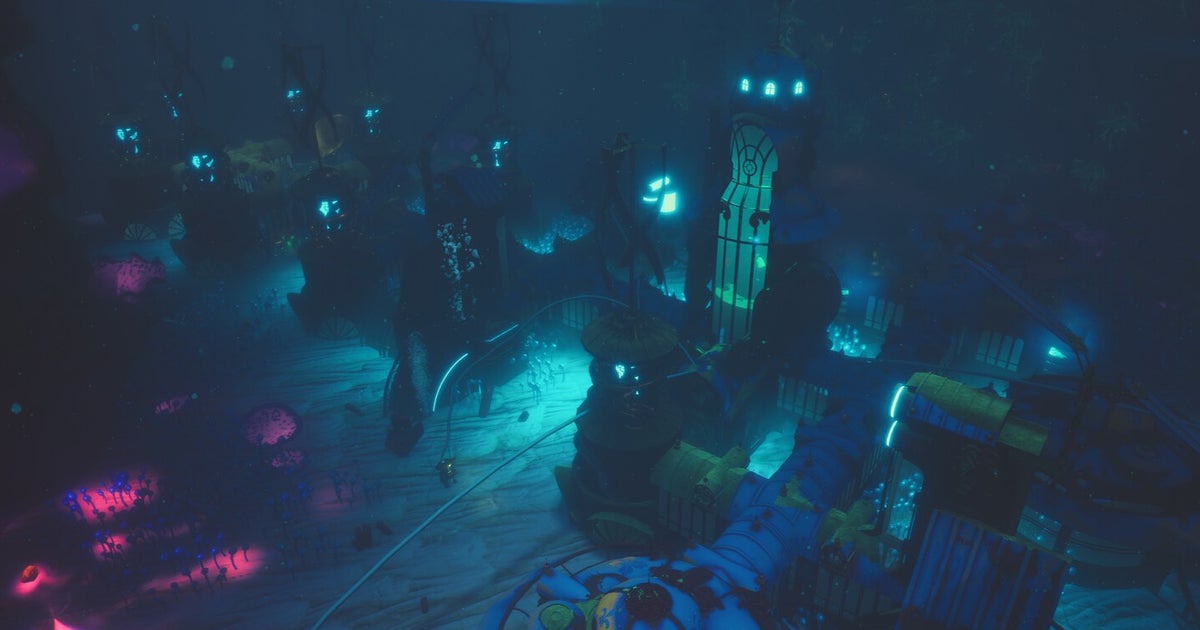
- Game: Tides of Tethys
- Developer: Black Rust
- Platform: PC
- Genre: Underwater Strategy Roguelite
Players seeking a comprehensive walkthrough or wiki for the underwater strategy roguelite Tides of Tethys will find that the title, developed by Black Rust, emphasizes tactical management over traditional exploration. While early community discussions often look for a trophy guide to navigate the game's achievement system—such as the specific rewards for interacting with local fauna—the core experience revolves around directing units known as Knights across procedurally generated ocean environments. As we monitor the title's progress on PC, our coverage at In Game News highlights the mechanical balance between resource gathering and base expansion.
Understanding Tides of Tethys Gameplay Mechanics
The primary loop in Tides of Tethys involves guiding teams of bathynauts to establish and maintain modular outposts. Success requires constant monitoring of essential life-support systems, including oxygen supply, power distribution, and food production. The environment is inherently hostile, populated by various aquatic organisms that pose a threat to your operations. Managing these Knights is a central component of the strategy; they possess a degree of autonomy, such as gathering resources or retreating to oxygen tethers when their levels drop, which reduces the need for constant micro-management.
The visual design of the Knights has drawn comparisons to the aesthetic of BioShock, specifically the Big Daddies and Sisters, due to their heavy, industrial-looking suits. Players must balance these units' needs while maneuvering through a fog-of-war system that obscures the ocean floor. The environment is not merely a backdrop; the flora responds to unit movement, and the terrain features large coral structures that can be harvested for resources.
Tides of Tethys Steam Next Fest Demo Impressions
Recent Tides of Tethys Steam Next Fest demo impressions indicate that while the game presents a distinct atmosphere, it faces challenges regarding user interface design. The current UI utilizes a baroque aesthetic with ornate fonts, which some players find difficult to navigate. A specific issue noted during testing involves the group-selection menu for Knights; when players select multiple units, the resulting character interface obscures a significant portion of the screen, making it harder to view the surrounding environment.
The game’s pacing is deliberate, particularly during the initial hour of play. A substantial portion of this time is dedicated to tutorials, which provide the necessary information for managing complex unit stats and buffs. Despite these hurdles, the environmental lighting, particularly during the transition to night, provides a high level of visual detail. The use of bioluminescence against the dark ocean backdrop creates a distinct mood that sets the title apart from other strategy game news.
Resource Management and Environmental Interaction
The strategy elements extend to how players interact with the ocean floor. Resources are extracted from the environment, often requiring the destruction of surrounding flora or geological features. There is a moral component to these actions, as evidenced by the achievement system. Players may receive notifications for eliminating creatures, which raises questions about the long-term impact on the ecosystem. For instance, players have discovered that certain crustaceans can be repurposed as mounts rather than processed as resources, suggesting that the game rewards experimentation with local wildlife.
For those interested in how this title compares to the broader history of aquatic gaming, it is worth noting that the genre has evolved significantly since the release of Ecco: The Tides of Time in 1994. While Ecco focused on linear adventure, Tides of Tethys leans into modern roguelite and city-building mechanics. Players who find the Verne-inspired atmosphere of Tides of Tethys less appealing may consider alternatives like Life Below, which offers a different take on coral reef-based city building.
Technical Considerations and Future Development
Black Rust has focused on a modular building system that allows for the expansion of outposts. While the current demo shows promise, the developer has indicated that refinement of the presentation is a priority. The oversaturated color palette and the density of the UI are areas where players are looking for quality-of-life updates. As the game moves toward a full release, the balance between the complexity of the stats menu and the visibility of the game world will be a key metric for success.
We will continue to provide updates on the development of Tides of Tethys as more information becomes available. For additional analysis on the genre, you can browse our PC gaming coverage to see how this title stacks up against other upcoming strategy releases.
Frequently Asked Questions
What kind of game is Tides of Tethys?
Tides of Tethys is an underwater strategy roguelite featuring city-building elements where players manage troupes of bathynauts on procedurally generated ocean floors.
Is Tides of Tethys worth playing in 2026?
The game offers a unique aesthetic and management loop for strategy fans, though it currently requires polish regarding user interface clarity and tutorial pacing.
Is Tides of Tethys similar to Subnautica 2?
While both games explore deep-sea themes, Tides of Tethys focuses on tactical squad management and modular outpost construction rather than the survival-exploration loop of Subnautica 2.