
Why The Legend of Zelda: The Wind Waker Remains a Masterpiece in 2026
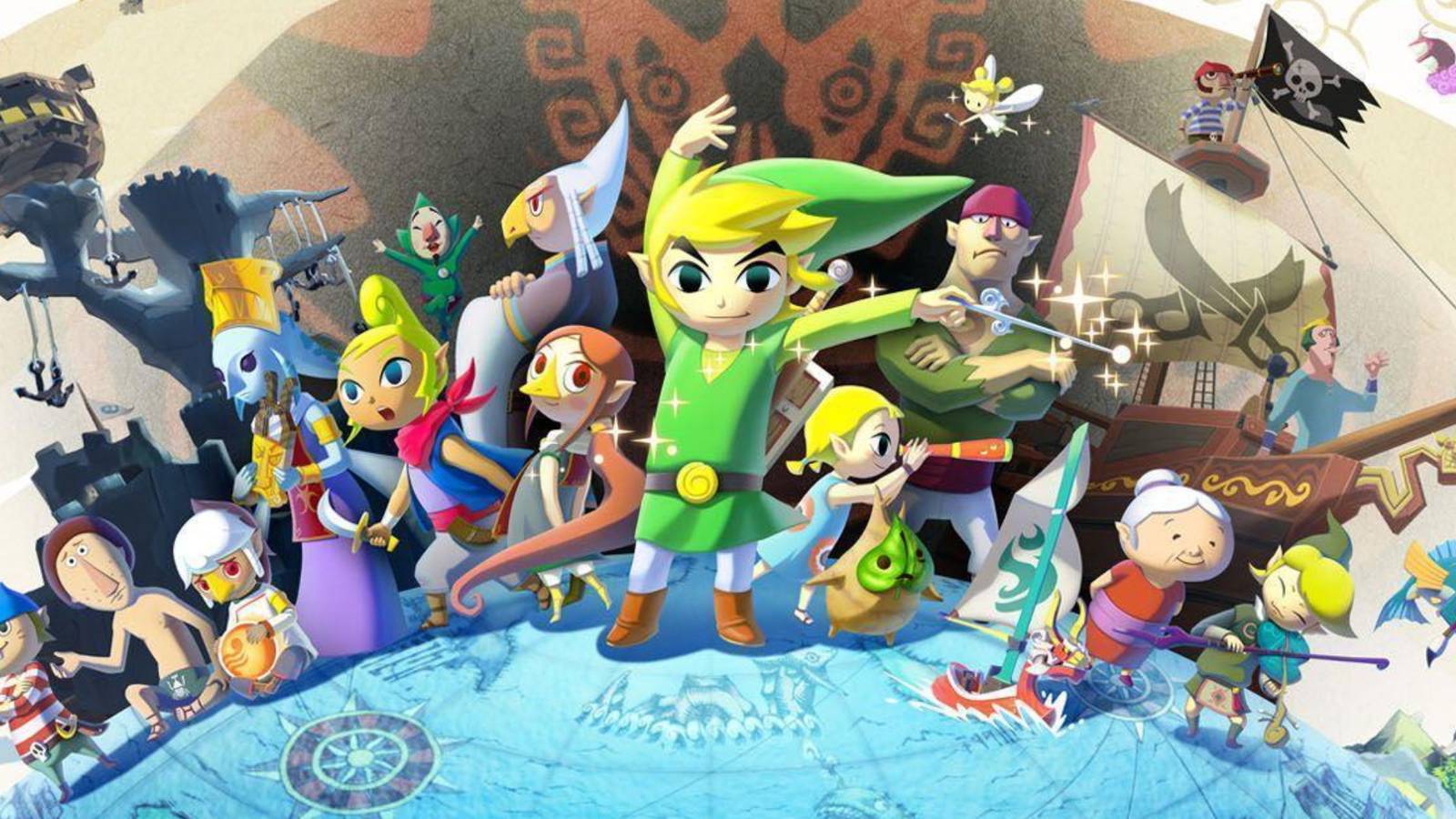
- Game: The Legend of Zelda: The Wind Waker
- Developer: Nintendo
- Release Date: 2002-12-13
- Platform: Nintendo GameCube
As players look back on the evolution of exploration in gaming, titles such as Final Fantasy VII Rebirth and Final Fantasy XIV continue to dominate discussions regarding scale and narrative depth. While Square Enix has set high bars for modern JRPG design, the conversation surrounding Still Wind Waker By Joshua Robertson Published Apr 18, 2026, highlights a persistent interest in how earlier titles handled the open world genre. The Legend of Zelda: The Wind Waker, developed by Nintendo, remains a focal point for those analyzing how specific design choices, rather than sheer map size, define the quality of an adventure.
The Legend of Zelda: The Wind Waker Open World Analysis 2026
In our coverage at In Game News, we have noted that the industry often equates open-world quality with the size of the playable area. However, The Legend of Zelda: The Wind Waker challenges this by utilizing a smaller, more contained ocean setting. Unlike the vast, free-form nature of Breath of the Wild or Tears of the Kingdom, the 2002 title follows a more traditional progression path. Despite these linear constraints, the game manages to foster a sense of mystery that many modern titles struggle to replicate.
When considering why is The Legend of Zelda: The Wind Waker open world considered the best by many, the answer often lies in the intentionality of its design. Every island on the map serves a purpose, and the act of sailing into the horizon provides a sense of anticipation. Players are not merely moving between map markers; they are navigating a world where the next encounter—be it a puzzle, a cyclone, or a combat scenario—feels like a deliberate discovery rather than a procedurally generated event.
What Makes The Legend of Zelda: The Wind Waker Exploration Unique
The uniqueness of the experience stems from the player's relationship with the environment. In many modern games, exploration can feel predictable. In The Wind Waker, the horizon holds secrets that are not immediately visible. This creates a distinct atmosphere where the player feels a genuine need to investigate points of interest, such as the Ghost Ship, which remains a memorable milestone for many who played the game on the original Nintendo GameCube.
For those questioning what makes The Legend of Zelda: The Wind Waker exploration unique, consider the following elements:
- Environmental Cues: Large structures like the Forest Haven or the Tower of the Gods are visible from a distance, acting as natural landmarks that guide the player.
- Unexpected Encounters: The ocean is populated with hazards, such as cyclones and sea creatures, that break up the navigation process.
- Focused Design: Because the world is smaller than modern open-world counterparts, the density of meaningful content is significantly higher.
Comparing The Wind Waker to Modern Open Worlds
When asking how does The Wind Waker open world compare to Breath of the Wild, the primary difference is the structure of the journey. While Breath of the Wild grants the player total freedom to tackle objectives in any order, The Wind Waker maintains a structured narrative flow. This does not diminish the sense of discovery; instead, it ensures that the player's introduction to specific locations, such as Dragon Roost Island, is paced to maximize the visual and narrative impact.
In 2026, the discussion around is The Legend of Zelda: The Wind Waker worth playing in 2026 often centers on whether the older mechanics hold up against current standards. For players who appreciate deliberate design and a strong sense of place, the game offers an experience that contrasts sharply with the vast, sometimes empty expanses found in contemporary titles. It is a reminder that a well-crafted, smaller world can often feel more alive than a massive, sprawling one.
The Impact of Setting on Gameplay
The ocean setting serves as more than just a transit system. It acts as a barrier and a bridge, forcing players to engage with the world through sailing. This mechanic turns the map into a cohesive unit where the journey between islands is as integral to the experience as the dungeons themselves. By limiting the player's ability to deviate from the intended path, the developers ensured that the pacing of the game remained tight and impactful throughout the entire campaign.
For more insights into classic gaming and industry trends, you can browse our retro gaming coverage or check out our Nintendo news archive. We continue to track how these foundational titles influence the development of modern action-adventure games.
Frequently Asked Questions
Why is The Legend of Zelda: The Wind Waker open world considered the best?
The Wind Waker is often praised for its sense of discovery and the mystical quality of its ocean setting, which creates a more focused exploration experience than larger, modern open worlds.
Is The Legend of Zelda: The Wind Waker worth playing in 2026?
Yes, the game remains worth playing in 2026 for its deliberate world design and unique sense of progression that contrasts with the structure of contemporary open-world titles.
How does The Wind Waker open world compare to Breath of the Wild?
While Breath of the Wild offers a larger, non-linear scale, The Wind Waker provides a more condensed, discovery-focused environment where every island and encounter feels intentionally placed.