
Assassin's Creed Shadows EU Parliament Debate: 2026 Political Update
- Game: Assassin's Creed Shadows
- Developer: Ubisoft
- Release Date: 2025-03-20
- Platforms: PC, PlayStation 5, Xbox Series S/X, macOS
- Genre: Adventure, Action
Gaming news regarding the intersection of digital entertainment and legislative policy has reached a new peak as the European Parliament held a formal debate concerning the Stop Killing Games movement. During this session, the discussion shifted from consumer rights and game preservation to the cultural content of major titles, specifically highlighting the latest news on the Assassin's Creed Shadows Yasuke controversy. While the primary goal of the assembly was to address the longevity of video games, the proceedings took a detour into political commentary when European politicians began debating the ideological direction of modern software development.
The Stop Killing Games Movement and EU Parliament Debate Details
The Stop Killing Games initiative, which began as a grassroots effort to ensure that titles remain playable after official servers are shut down, has gained significant traction in the European political sphere. Over the past two years, the movement has evolved from online advocacy into a subject of serious policy consideration. As we reported at In Game News, the recent debate served as a platform for various MEPs to weigh in on how the European Union should approach the regulation of the gaming industry.
Most participants in the debate acknowledged that video games represent a significant form of modern art and cultural expression. There was a general consensus among many speakers that the industry requires a balanced approach to regulation. Piotr Müller, an MEP representing Poland, emphasized the need for caution. He stated that while he supports the goals of the Stop Killing Games initiative, the European legislative body must avoid over-regulating the market to ensure the regional sector continues to grow and remain competitive on a global scale.
Political Discourse on Game Ownership and Content
The debate was not limited to the technical aspects of game preservation. Other representatives brought up broader concerns regarding the relationship between players and digital products. Czech politician Ondřej Krutílek utilized the session to address the common industry practice where players purchase licenses rather than physical ownership of software. He argued in favor of the current status quo, suggesting that the existing market structure is necessary for the industry's continued functionality.
The conversation also touched upon the impact of interactive media on younger audiences. While some participants expressed concern regarding how certain games influence impressionable children, the discourse remained largely focused on the broader implications for the European market. Catarina Vieira of the Dutch GroenLinks party offered a lighter moment during the proceedings by referencing the highly anticipated release of Grand Theft Auto VI, highlighting the massive cultural footprint these titles currently hold.
Milan Uhrik and the Assassin's Creed Shadows Controversy
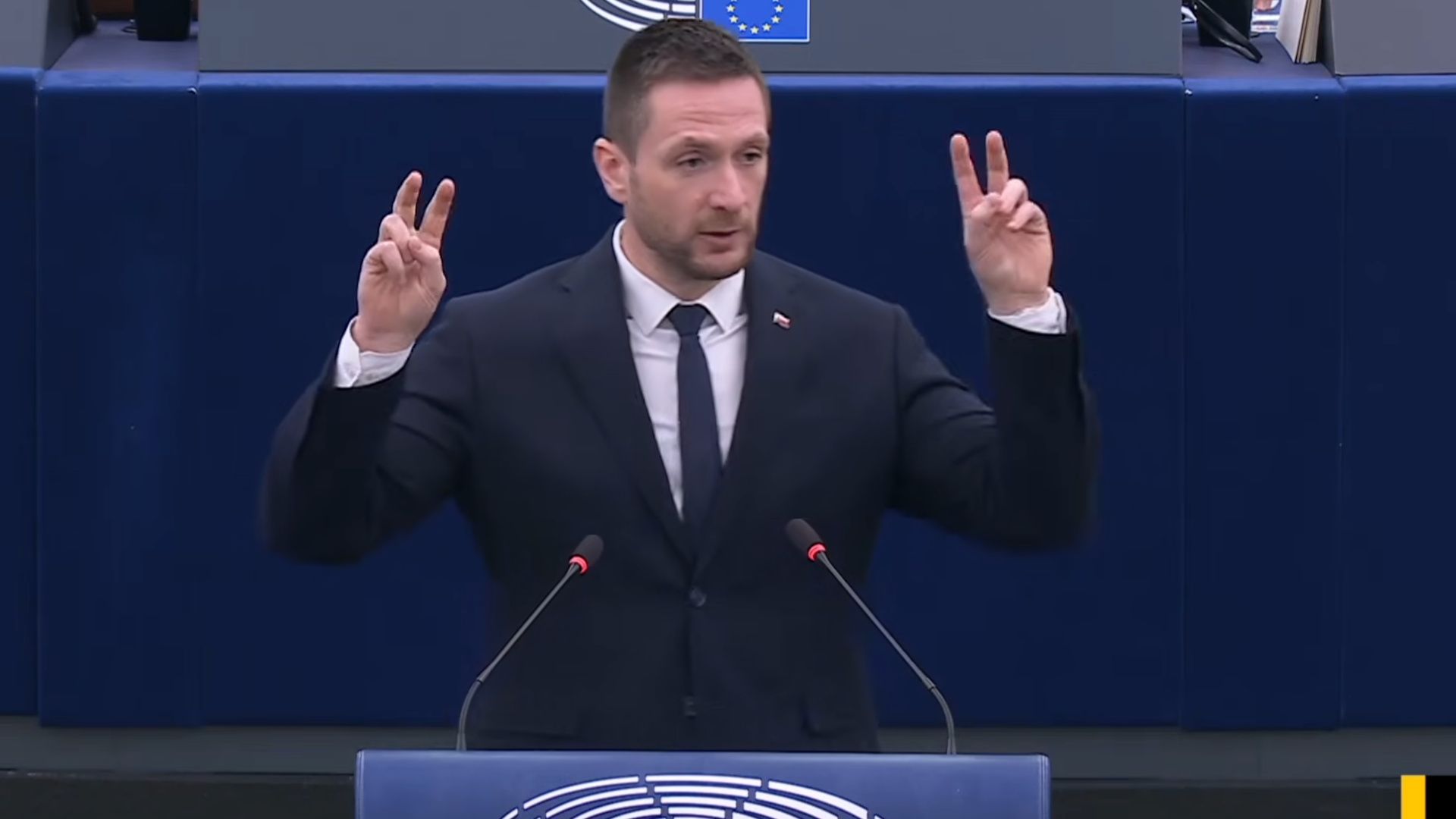
The most contentious portion of the debate occurred when Milan Uhrik, a Slovak MEP and leader of the far-right Republic Movement, took the podium. Uhrik steered the conversation away from consumer rights and toward a critique of the creative decisions made by developers. He explicitly identified Assassin's Creed Shadows as a primary example of what he perceives as a negative trend in the industry.
Uhrik claimed that the inclusion of specific protagonists in recent titles is detrimental to the player experience. He stated, "For example, if we want to play as a samurai, obviously we want to play as a Japanese warrior and not to be forced to play as a Black person warrior or female warrior as it happened recently in Assassin's Creed. Or to play as a queer character, without any other choice. This is an issue, really, for players." His remarks served as a focal point for the ongoing discourse surrounding the game, which was released on March 20, 2025, for PC, PlayStation 5, Xbox Series S/X, and macOS.
This intervention highlights the growing trend of video games becoming a subject of intense political debate. The clash between artistic freedom and the expectations of certain player demographics continues to influence how titles like Assassin's Creed Shadows are perceived in the public eye. For more updates on how these political discussions impact the industry, check out our industry news coverage.
Market Regulation and Future Implications
The European Parliament's involvement in the video game sector is likely to continue as the industry grows in economic and cultural importance. The tension between the desire for consumer protections—such as those sought by the Stop Killing Games movement—and the desire to foster a creative, market-driven environment remains a central challenge for policymakers. Developers like Ubisoft, who are responsible for the Assassin's Creed franchise, now find themselves navigating a landscape where their creative output is subject to scrutiny from both players and international government officials.
As the conversation surrounding game preservation and content standards evolves, it is clear that the industry is no longer operating in a vacuum. The legislative interest in how games are monetized, preserved, and designed is set to shape the future of the medium. We will continue to track these developments as they unfold in the coming months. For further reading on related legislative efforts, see our regulatory updates section.
Frequently Asked Questions
What did the EU politician say about Assassin's Creed Shadows in the recent debate?
Slovak MEP Milan Uhrik criticized the game for its inclusion of diverse protagonists, arguing that forced political correctness and 'wokeness' are damaging the gaming industry.
Is Assassin's Creed Shadows controversial in European politics?
Yes, the title was specifically cited by far-right MEP Milan Uhrik during an EU parliamentary debate on the Stop Killing Games movement as an example of unwanted political influence in gaming.
What is the Stop Killing Games movement EU parliament update for 2026?
The movement has moved from grassroots advocacy to formal parliamentary discussions regarding consumer rights, ownership, and the future of digital game preservation.
Ubisoft Announces AC Hexe Details & Invictus Progress UpdateAssassin's Creed Shadows
Ubisoft Announces Assassin’s Creed Shadows Claws of Awaji: Release Da...AC Shadows
Ubisoft Announces Assassin's Creed Shadows Updates & Expansion: Relea...Advanced Parkour
Assassin's Creed Shadows Patch Notes: Manual Jump and QoL Improvements