
Borderlands Art Style Shift Cost $50 Million, Says Take-Two CEO
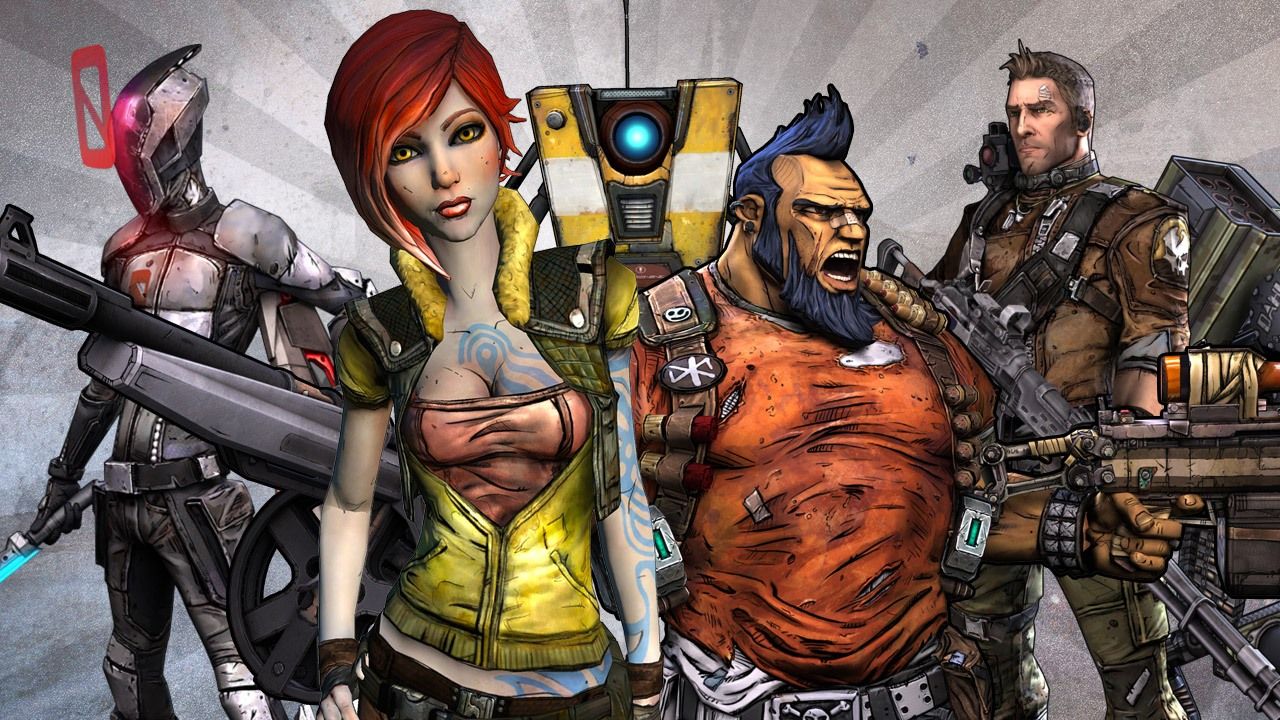
- Game: Borderlands
- Developer: Gearbox Software
- Publisher: Take-Two Interactive
- Release Date: October 20, 2009
- Metacritic Score: 81
- Cost of Art Change: $50 million
Gaming news regarding the history of iconic titles often highlights the risks taken during development. In the case of the original Borderlands, released in 2009 by developer Gearbox Software and published by Take-Two Interactive, a last-minute creative pivot significantly impacted the project's budget. As we continue our coverage of video games history here at In Game News, it has been confirmed that the decision to overhaul the game's visual presentation cost the publisher approximately $50 million.
The Financial Impact of Aesthetic Decisions
When analyzing how much did the Borderlands art style change cost, industry observers often point to the sheer scale of the investment required to pivot a project so close to completion. Take-Two Interactive CEO Strauss Zelnick has addressed these development costs directly, noting that the financial burden was substantial but necessary for the title's eventual market performance. The shift away from a more realistic, gritty aesthetic toward the now-signature cel-shaded, comic-book-inspired look required a complete re-rendering of assets and a significant investment in engineering time.
Understanding why did Borderlands change its art style requires looking at the competitive landscape of the late 2000s. The team at Gearbox Software realized that the original, more traditional shooter look failed to distinguish the game from the many other military and sci-fi shooters flooding the market at the time. By adopting the stylized, high-contrast look, the game gained a distinct identity that helped it secure an 81 on Metacritic and establish a long-running franchise.
Borderlands Original Art Style Development History
The transition was not merely a cosmetic filter applied to existing models. The Borderlands original art style development history indicates that the team had to essentially rebuild the visual identity of the world of Pandora. This involved adjusting textures, lighting models, and character designs to fit the new, bolder aesthetic. The $50 million figure cited by Take-Two CEO comments on Borderlands development costs highlights the massive logistical challenge of implementing such a change after significant portions of the game were already functional.
For those interested in the broader industry development history, this case serves as a prime example of how publishers evaluate the risk of a late-stage pivot. While the cost was high, the leadership at Take-Two Interactive maintains that the game would not have achieved the same level of cultural impact or commercial success without the stylistic departure. The risk-reward ratio, in this instance, favored the creative ambition of the developers.
Evaluating the Success of the Visual Pivot
Was the Borderlands art style change worth 50 million dollars? From a commercial standpoint, the longevity of the franchise suggests that the investment paid dividends. The visual identity established in 2009 became the foundation for all subsequent entries in the series, creating a recognizable brand that persists in modern first-person shooter markets. The game launched on PC, Xbox 360, and PlayStation 3, and the unique art style allowed the game to age more gracefully than many of its contemporaries that relied on realistic textures which have since become dated.
The following table outlines the key aspects of the original 2009 release:
| Feature | Details |
|---|---|
| Release Date | October 20, 2009 |
| Primary Platforms | PC, Xbox 360, PlayStation 3 |
| Genre | Shooter, Action, RPG |
| Metacritic Score | 81 |
The investment also provided a blueprint for how developers can use art direction to solve marketing challenges. By moving away from the "brown and grey" palette that dominated the shooter genre in 2009, Gearbox Software ensured that promotional materials for the game stood out on store shelves. This marketing advantage is frequently cited by industry analysts as a primary reason the game gained traction among players who might have otherwise overlooked a standard shooter.
Long-term Industry Implications
The story of the Borderlands art change remains a frequent topic in discussions regarding video game budgets and creative control. When Take-Two CEO comments on Borderlands development costs, it serves as a reminder that the most famous features in gaming are often the result of expensive, last-minute course corrections. Modern developers continue to look back at this transition as a case study in how visual identity can define the success of a new intellectual property.
As we continue to monitor the evolution of the industry here at In Game News, we observe that the willingness to absorb these costs is rare. Most projects are forced to stick to their original vision due to budget constraints, regardless of whether that vision will resonate with the target audience. The success of the Borderlands franchise, which now spans multiple sequels and spin-offs, validates the decision made by the team in 2009 to prioritize a unique look over short-term budget preservation.
Frequently Asked Questions
Why did Borderlands change its art style? The developers shifted to the iconic cel-shaded aesthetic late in production to ensure the game stood out in a crowded market and achieved a unique visual identity.
How much did the Borderlands art style change cost? Take-Two Interactive CEO Strauss Zelnick confirmed that the last-minute decision to overhaul the art style cost the company approximately $50 million.
Was the Borderlands art style change worth 50 million dollars? According to Take-Two Interactive leadership, the change was essential for the game's success, as they believe Borderlands would not have become a hit without it.