


Bus Bound 2026: Stillalive Studios Shifts Focus to City Evolution
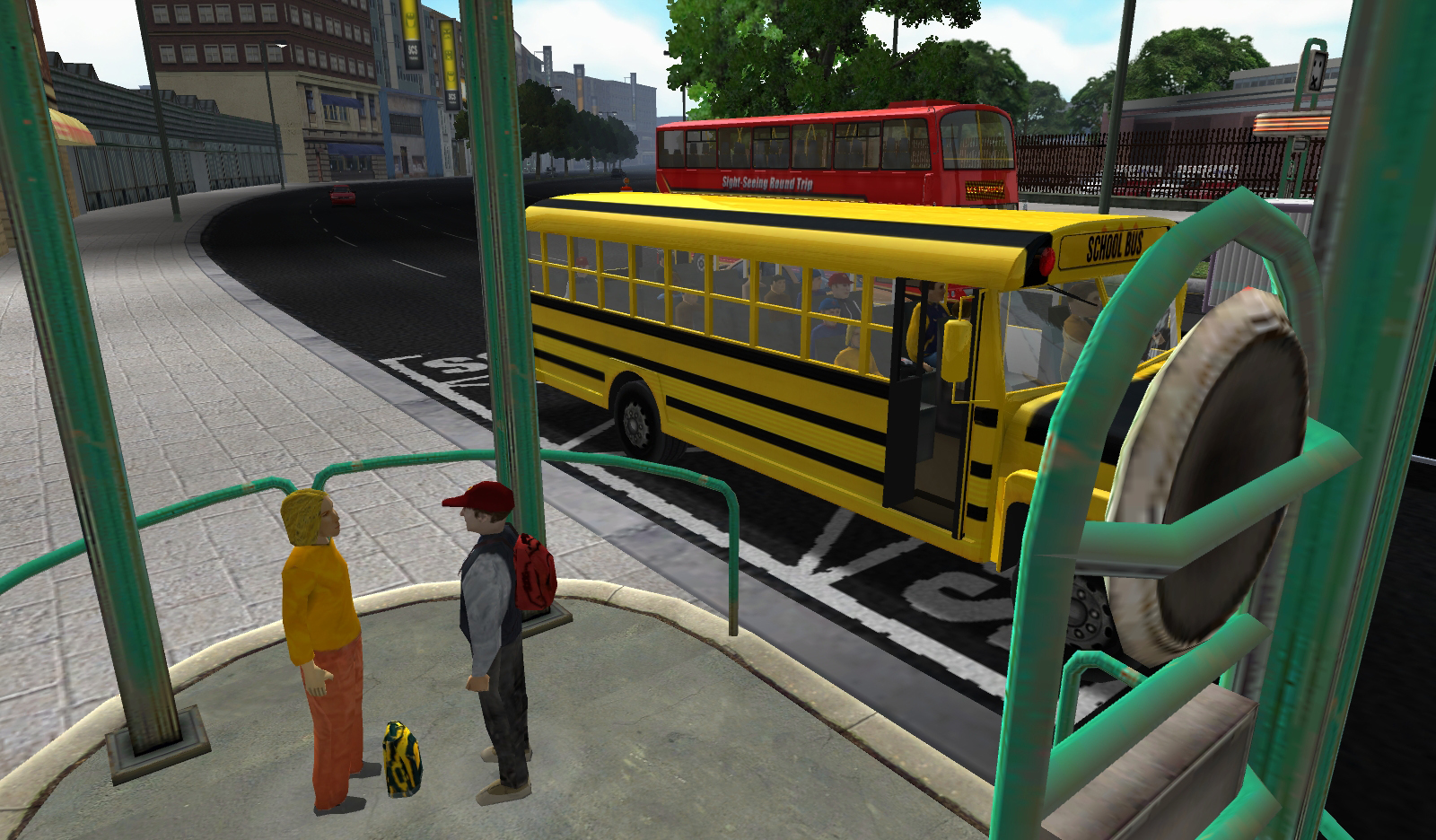
- Game: Bus Bound
- Developer: Stillalive studios
- Release Year: 2026
- Core Mechanic: Passenger feedback-driven city evolution
Bus Bound, the latest simulation title from Stillalive studios, arrives in 2026 with a focus on city improvement and passenger feedback, contrasting with the industry-wide focus on massive RPGs like Final Fantasy VII Rebirth and the long-running success of Final Fantasy XIV. While major publishers like Square Enix and Capcom, known for the Resident Evil 9 franchise, dominate headlines with high-budget spectacles, Stillalive studios has carved a niche in the simulation genre by evolving the mechanics established in their previous titles. Our coverage at In Game News examines how this new entry moves away from traditional simulation tropes.
Stillalive Studios Bus Bound Development Process Details
The development process for Bus Bound represents a departure from the studio's previous work on the Bus Simulator series, which included entries in 2016, 2018, and 2021. According to Game Director Andrei Pandalescu and Game Designer Florian Friedrich, the primary objective was to transition the player's role from an detached, overhead observer to an active participant within the city. This shift required a fundamental change in how the game handles interactions between the driver, the passengers, and the environment.
The team identified early in the design phase that the feedback loop needed to originate directly from the passengers. This necessitated a technical overhaul to accommodate a higher volume of passengers boarding and unboarding the bus simultaneously. Balancing the financial aspects of the game with the people-centric design philosophy proved to be a significant challenge. The developers ultimately decided that the company's growth and the state of the game world should be determined by rider feedback rather than traditional, static progression systems.
Bus Bound Passenger Feedback Mechanics Explained
The core of the gameplay experience in Bus Bound relies on the interaction between the player and their passengers. Unlike earlier titles in the genre, such as the 2007 release Bus Driver—which held a Metacritic score of 61—Bus Bound integrates these interactions into the broader progression of the game. The feedback system is not merely a score-tracking metric; it serves as the primary driver for how the virtual city evolves over time.
As players navigate the city, they must manage their routes and handle the needs of their riders. Positive feedback from passengers results in increased funding for the transit company. This funding is the primary resource for triggering changes in the city. The developers noted that determining how specific feedback should translate into district upgrades required extensive trial and error to ensure the connection between player performance and world-building felt consistent.
How Does the City Improvement System Work in Bus Bound?
The city improvement system acts as the visual and functional reward for successful gameplay. As players accumulate funding through high-quality service, they gain the ability to influence the environment. This system is designed to show the tangible benefits of public transportation within the game world. As the transit network becomes more efficient and passenger satisfaction rises, the city undergoes visible shifts.
These changes are not merely cosmetic. The developers have implemented systems where increased investment leads to a measurable decrease in traffic congestion and pollution levels. This creates a loop where the player's success in managing the bus line directly results in a more pleasant and functional urban environment. By focusing on these outcomes, the game provides a sense of progression that is tied to the health of the city rather than just the bank balance of the transit company.
Simulation Genre Evolution and Future Outlook
Stillalive studios has a long history in the simulation space, having developed several iterations of bus-focused games over the last decade. The transition to Bus Bound marks a strategic pivot toward more complex, interconnected systems. In our simulation gaming news, we have tracked how developers are increasingly looking for ways to make simulation mechanics feel more meaningful by tying them to the world state rather than just vehicle operation.
The experience of driving through a large city at different times of day and in varying weather conditions remains a staple of the experience. These environmental factors, such as reduced visibility in rain or fog, add layers of difficulty to the core driving tasks. However, the integration of these tasks with the passenger feedback and city improvement systems ensures that the driving is always in service of a larger goal. For more on how indie developers are innovating, see our indie game coverage.
Frequently Asked Questions
What are the new features in Bus Bound 2026?
Bus Bound features a city improvement system where player success leads to reduced traffic and pollution, alongside a new focus on direct passenger feedback mechanics.
How does the city improvement system work in Bus Bound?
Players earn funding through positive passenger feedback, which is then used to evolve the game world, resulting in visible improvements to the city's infrastructure.
What is the primary development focus of Stillalive studios for Bus Bound?
The development team shifted focus from an 'eye in the sky' perspective to a people-centric approach, prioritizing passenger interaction and its impact on the city environment.