
Devil May Cry Creator Discusses Game Quality and Cancellations in 2026
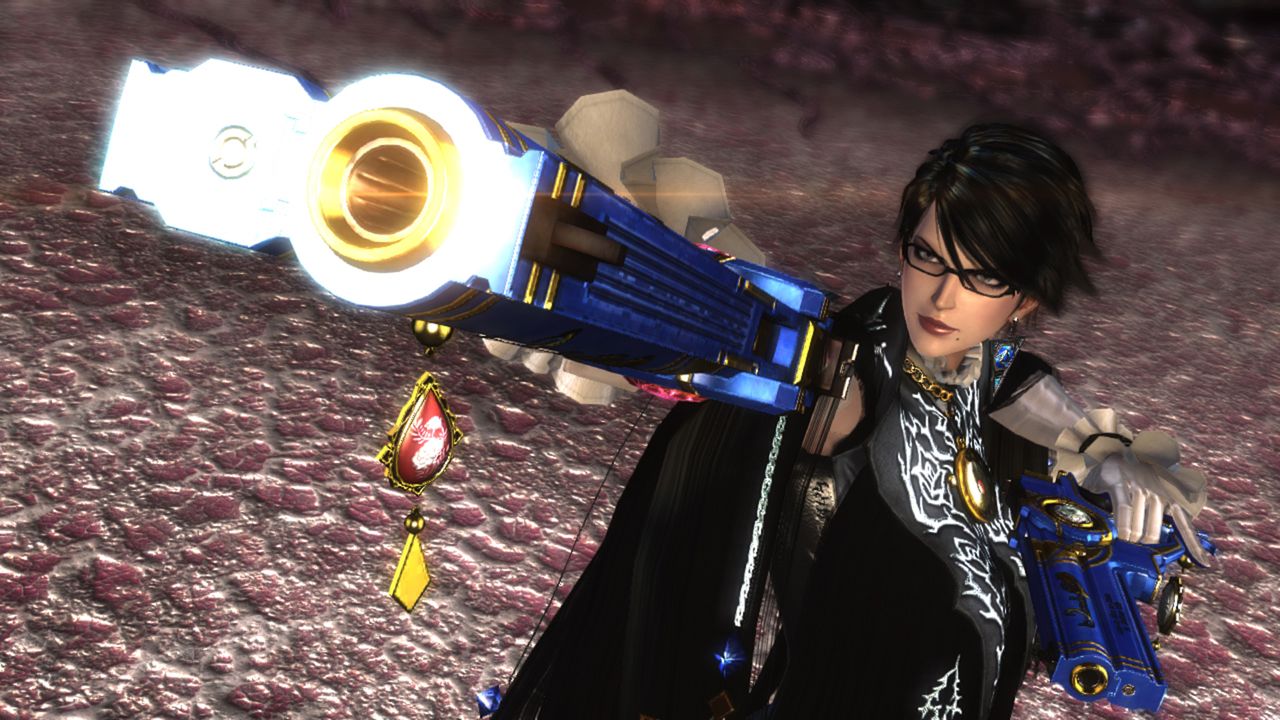
- Subject: Game Development Philosophy
- Key Figure: Hideki Kamiya
- Primary Focus: Quality over release pressure
- Context: Industry standards for 2026
The release date and general countdown toward upcoming titles are often the primary focus for gamers, but industry veteran Hideki Kamiya has provided a fresh perspective on the necessity of project cancellation. As the creator of Devil May Cry and Bayonetta, Kamiya recently addressed the complex decision-making process developers face when a project fails to meet internal benchmarks. While fans often anticipate the ability to pre-load and play new software, Kamiya suggests that the industry should be more willing to abandon projects that fall short of quality expectations.
Latest Developer Statements from Hideki Kamiya 2026
In his latest comments during 2026, the renowned director emphasized that the pressure to adhere to a development schedule should never supersede the artistic integrity of the game. For many players, the anticipation of a release date is a standard part of the gaming experience, yet Kamiya argues that the internal evaluation of a game's state is the only metric that truly matters. Our coverage at In Game News has tracked these sentiments, which highlight a growing divide between consumer expectations for constant output and the realities of high-stakes game production.
Kamiya’s perspective serves as a reminder that the creation of a title like Devil May Cry is a labor-intensive process. When a developer identifies that a game is not meeting its potential, the choice to cancel it is often viewed as a failure by the public, but Kamiya frames it as a protective measure for the brand and the development team. By choosing to stop production, a studio avoids the long-term fallout associated with a title that does not resonate with its intended audience.
Official Comments from Devil May Cry Creator on Subpar Releases
The official comments from the Devil May Cry creator on subpar releases underscore a philosophy that prioritizes long-term reputation over short-term revenue. In the current market, where the release date is often marketed years in advance, the prospect of a cancellation is frequently met with disappointment. However, Kamiya maintains that a subpar release is a permanent mark on a creator's history. He noted that once a game is in the hands of the public, the opportunity to refine the experience is limited, making the decision to cancel a project a more responsible alternative to shipping an unfinished or low-quality product.
This stance aligns with his long-standing approach to game design, which has been central to the success of his previous projects. By holding his teams to high standards, he ensures that the titles bearing his name maintain a level of consistency. For those following our development news coverage, this insight provides context for why certain projects might disappear from the radar without a clear explanation.
Why Would a Developer Choose to Cancel a Game Instead of Releasing It?
The question of why would a developer choose to cancel a game instead of releasing it is multifaceted. Based on the insights provided by Kamiya, the decision often stems from a lack of alignment between the project's current state and the vision for its final quality. When a game fails to hit its target mechanics or narrative depth, the cost of continuing development may outweigh the potential benefits of a release.
- Quality Control: Preventing the release of a title that does not meet the studio's internal standards.
- Brand Integrity: Protecting the legacy of the developer and the franchise.
- Resource Allocation: Redirecting staff and funding toward projects with higher success potential.
- Market Saturation: Recognizing when a game may no longer fit the current gaming landscape.
These factors are significant in an era where the countdown to a game's launch is often accompanied by intense social media scrutiny. Developers are under constant pressure to deliver, but Kamiya’s philosophy suggests that the most courageous decision is sometimes to admit that a project is not ready for the public.
Devil May Cry and Bayonetta Creator Philosophy on Game Quality
The Devil May Cry and Bayonetta creator philosophy on game quality is rooted in the belief that a game should be a reflection of the team's best efforts. Throughout his career, Kamiya has been known for his distinct style and attention to detail. This approach requires a willingness to pivot when a project is not meeting those requirements. While the industry often focuses on the pre-load availability or the exact hour a game becomes available, the creator's focus remains on the substance of the gameplay.
At In Game News, we have observed that this philosophy is not unique to Kamiya but is a sentiment shared by many veterans in the industry. The challenge lies in balancing these high standards with the expectations of publishers and investors who may prioritize a fixed release date. For more insights on how these industry shifts affect the market, you can explore our industry analysis reports.
Frequently Asked Questions
Why would a developer choose to cancel a game instead of releasing it?
According to Hideki Kamiya, a developer may choose to cancel a project if it fails to meet quality standards, as releasing a subpar title can damage a creator's reputation and legacy.
What did the creator of Devil May Cry say about game cancellations?
Hideki Kamiya stated that he would personally prefer to cancel a game entirely rather than force the release of a product that does not meet his expectations for quality.
What is the core design philosophy of Hideki Kamiya regarding game releases?
Kamiya maintains a strict commitment to quality, prioritizing the integrity of the final product over the pressure to meet a release date or satisfy commercial obligations.