
Elon Musk vs Sam Altman: What We Know Just Made About OpenAI Legal Case
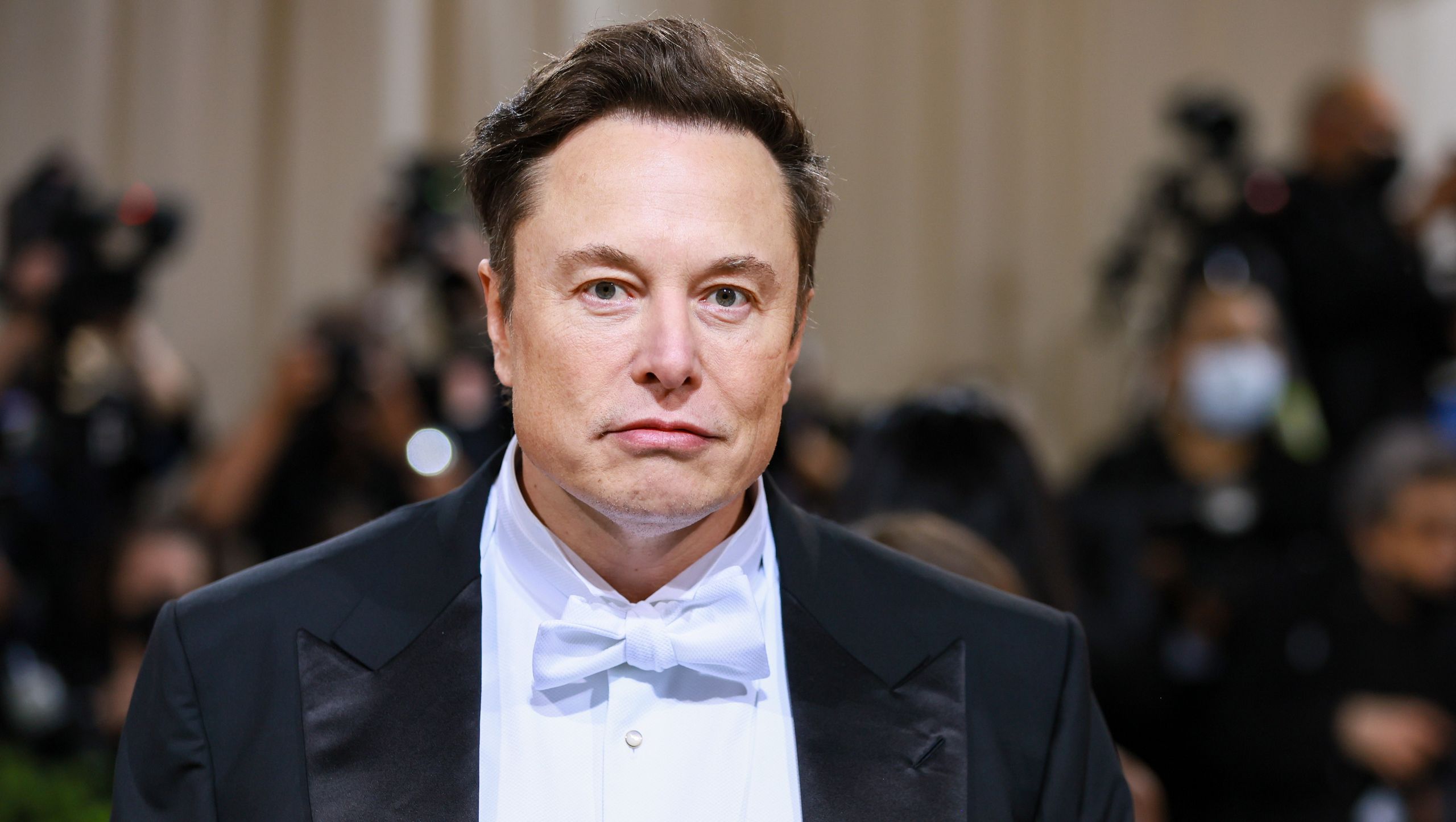
- Subject: Elon Musk vs. Sam Altman legal proceedings
- Core Allegation: Deceptive transition from non-profit to for-profit
- Legal Outcome: Case dismissed due to statute of limitations
- Future Status: Elon Musk intends to file an appeal
The first round of the legal battle between Elon Musk and Sam Altman has concluded with the jury deciding that, due to the statute of limitations, Musk’s case was invalid. While the court has dismissed the current proceedings, we at In Game News have tracked the developments to understand what we Know Just Made regarding the core conflict between the two parties. Despite the dismissal, Musk has already announced his intention to appeal the decision, meaning the legal friction between the former partners remains ongoing.
The Core Allegations and Legal Status
The primary thrust of Musk’s legal challenge centered on the claim that he was misled into supporting OpenAI as a non-profit entity. Musk argued that he was convinced of the organization's mission to prioritize humanity's safety regarding artificial intelligence, only to see Altman and his associates transition the company to a for-profit model several years later. It is important to note that the judge and jury did not make any findings regarding the substance of these allegations. The dismissal was strictly a procedural ruling based on the expiration of the statute of limitations.
As part of our coverage at In Game News, we have examined the documents released during the trial. These records provide a view into the early communication between Musk and Altman, highlighting the specific promises made during the company's inception. While the legal system has closed this specific chapter, the evidence presented offers a detailed look at the motivations behind the creation of OpenAI.
Early Communications and Mission Alignment
The documents released during the trial reveal a period of intense collaboration and shared vision between Musk and Altman. In 2015, the correspondence shows that Musk was deeply concerned about the risks of Artificial General Intelligence (AGI) and which entities might control such technology. Altman appeared to align himself with these concerns, frequently reinforcing the non-profit nature of the venture.
Key Correspondence from 2015
On June 24, 2015, Altman sent an email to Musk outlining the mission of the organization. The email stated: "This mission would be to create the first general AI and use it for individual empowerment, ie, the distributed version of the future that seems the safest. More generally, safety should be a first-class requirement." Altman further clarified the governance structure, noting that the technology would be owned by the foundation and utilized for the "good of the world," with the five board members making decisions in cases where the application of the mission was not immediately clear. Musk’s response the following day was brief: "Agree on all."
By October 2015, the discussions shifted toward funding and the long-term governance of the company. Musk expressed clear reservations about the potential for the project to deviate from its original goals. In an email to Altman, Musk wrote: "This is critical. I don't want to fund something that goes in what turns out to be the wrong direction." Altman responded by emphasizing his commitment to the original mission, stating he was "very focused on getting this right."
Defining the Mission Statement
The documentation shows that by December 2015, the founders were drafting the official mission statement for OpenAI. Musk proposed a version that defined the goal as "advancing digital intelligence in the way that is most likely to benefit humanity as a whole, unencumbered by an obligation to generate financial returns." Altman’s reply included an addition to this statement, further solidifying the intent to avoid financial pressures that might conflict with the non-profit mission.
These early exchanges highlight the specific expectations set during the formation of the company. While the legal case has been dismissed, the documents serve as a record of the original organizational principles that Musk claims were abandoned. For those following these developments in the context of technology industry trends, these records provide the context for why the dispute reached the courtroom in the first place.
Frequently Asked Questions
Why was Elon Musk's case against Sam Altman dismissed?
The court dismissed the case because the statute of limitations for the claims had expired.
Did the court rule on the substance of Elon Musk's allegations?
No, neither the judge nor the jury made any findings regarding the substance of the allegations; the dismissal was based solely on procedural grounds.
What was the core of Elon Musk's complaint against OpenAI?
Musk alleged that he was deceived into funding OpenAI as a not-for-profit organization before the company shifted its structure to a for-profit model.
Empulse Game Steam Page Details: Splitgate Devs Target 2026 ReleaseAction
Warren Spector's New Stealth Title: Is It A True Thief Successor in 2...Adventure
Unknown Worlds Addresses Subnautica 2 Creature Encounter Design in 2026Action
81-Year-Old Minecraft Streamer Swatted During 2026 Charity Fundraiser