
Escape from Tarkov and the Most Revolutionary FPS Mechanics of 2026
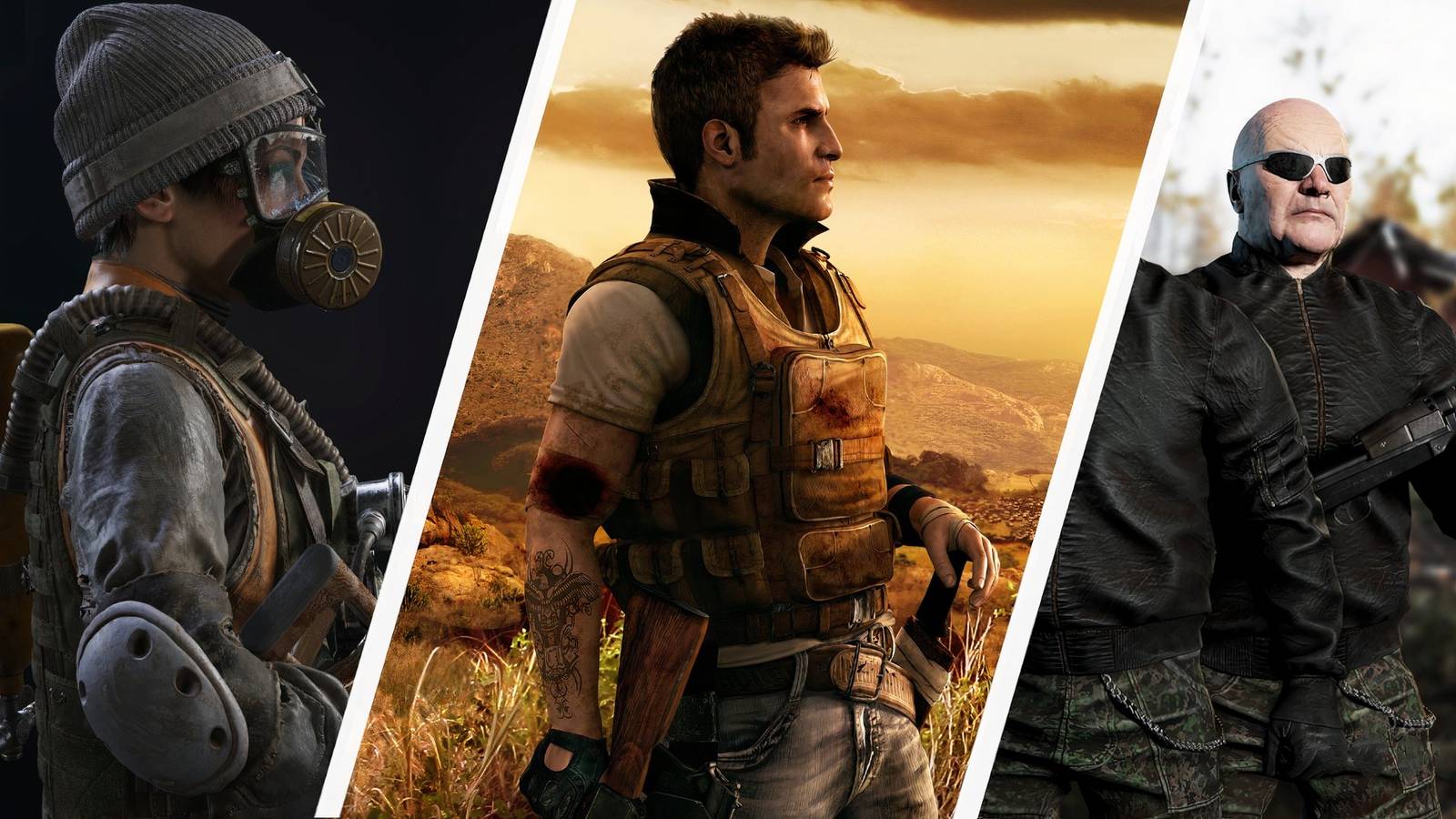
- Game: Escape from Tarkov
- Developer: Battlestate Games
- Genre: Tactical First-Person Shooter
- Focus: Innovation in FPS Mechanics
Escape from Tarkov, developed and published by Battlestate Games, remains a central point of discussion regarding the most revolutionary FPS mechanics in gaming 2026. While the industry often leans toward standardized control schemes, titles like this one challenge the status quo by introducing systems that move away from traditional hitscan models and arcade-style progression. At In Game News, we have tracked how these design choices influence the broader market, specifically looking at mechanics that aren't typically found in mainstream titles.
The Evolution of Tactical Shooter Design
The current state of the first-person shooter genre in 2026 reflects a tension between accessibility and simulation. Many developers prioritize immediate gratification, yet a subset of the industry continues to experiment with systems that demand patience and strategic thinking. When we discuss what are the most innovative FPS mechanics not in mainstream games, we often return to the concept of risk and consequence.
In our ongoing FPS coverage, we have identified that mechanics such as squad-based permadeath and RNG-influenced gunplay are frequently debated. These features serve to shift the focus from individual reflexes to group coordination. By implementing consequences for failure that extend beyond a simple respawn timer, developers force players to treat their digital counterparts with a level of care usually reserved for survival games.
RNG Gunplay and the Suppression Effect
One of the most distinct departures from modern standards is the use of RNG-based gunplay in cover-heavy scenarios. Historically, titles like the Brothers in Arms series utilized this to simulate the difficulty of hitting a target behind cover. Rather than relying on pixel-perfect hit registration, the game calculates the probability of a hit based on environmental factors and suppression. This forces players to use flanking maneuvers rather than standing in the open to trade fire.
While some multiplayer titles, such as Squad, attempted to integrate similar systems through infantry combat overhauls, the reception was mixed. The challenge lies in the divide between players who seek a simulation of combat stress and those who prefer a predictable, high-skill-ceiling environment. For developers, balancing these unique tactical shooter mechanics that should be industry standard remains a difficult task, as the mainstream audience often rejects systems that introduce uncertainty into their gunfights.
Why Innovation Faces Resistance
A frequent question in our industry analysis is why are revolutionary FPS mechanics often ignored by developers. The answer often lies in the cost of development and the risk of alienating the core player base. Implementing complex systems like persistent squad health or advanced suppression requires significant testing and balancing. If a mechanic makes the game feel 'unfair' or 'random' to a player who expects a competitive, balanced experience, the game may struggle to maintain a healthy player count.
However, the rise of indie shooters and niche tactical titles in 2026 suggests that there is a growing market for these experiences. Players are increasingly looking for depth, even if it comes at the cost of traditional ease-of-use. When a game dares to be different, it often finds a dedicated community that values the complexity of the systems over the polish of a mainstream release.
Mechanical Depth in 2026
To understand the current landscape, it is helpful to look at how specific features impact the gameplay loop. The following table outlines how certain mechanics change the way players approach tactical shooters:
| Mechanic | Impact on Gameplay |
|---|---|
| RNG Gunplay | Reduces reliance on twitch reflexes; encourages tactical positioning. |
| Squad Permadeath | Increases emotional stakes and forces team preservation. |
| Suppressive Fire | Limits enemy movement and creates openings for flanking. |
These mechanics, while not universal, define the identity of the titles that utilize them. For a game like Escape from Tarkov, the focus on granular detail—from weapon maintenance to health management—creates an experience that is distinct from the fast-paced nature of arena shooters. By forcing players to manage these variables, Battlestate Games ensures that every encounter feels significant.
The Future of Tactical Shooters
As we look toward the remainder of 2026, the question is whether these niche features will eventually bleed into the mainstream. The industry often adopts successful mechanics from indie titles, refining them for a broader audience. If a mechanic proves effective at increasing player engagement or providing a more authentic tactical experience, it is likely that larger studios will eventually iterate on the concept.
However, the core issue remains the implementation. A mechanic that works in a slow-paced, realistic shooter may feel out of place in a high-speed arcade game. Developers must decide whether they are building for the mass market or for a specific sub-genre. The most successful titles in 2026 are those that lean into their chosen identity rather than trying to satisfy every potential player.
Ultimately, the value of these systems is found in their ability to make the player think. When a game presents a challenge that cannot be solved by simply aiming faster, it provides a different kind of satisfaction. Whether through the inclusion of complex survival systems or the removal of traditional hitscan markers, these innovations ensure that the tactical shooter genre continues to evolve.
Frequently Asked Questions
What are the most revolutionary FPS mechanics in gaming 2026?
The most revolutionary mechanics in 2026 include RNG-based gunplay for cover-based combat and permanent squad member death systems that increase tactical stakes.
Why are unique tactical shooter mechanics often ignored by developers?
Unique mechanics are often ignored because mainstream multiplayer audiences frequently favor traditional, predictable gameplay loops over systems that require slower, more deliberate decision-making.
How do niche FPS mechanics improve tactical shooter gameplay?
Niche mechanics like suppressive fire and squad permadeath force players to prioritize tactical positioning and team preservation over raw mechanical speed.