
Former Nintendo President Explains Why It Never Discounts Games in 2026
- Game: The Legend of Zelda: Breath of the Wild
- Developer: Nintendo
- Original Release Date: March 3, 2017
- Platforms: Nintendo Switch, Wii U
- Metacritic Score: 97
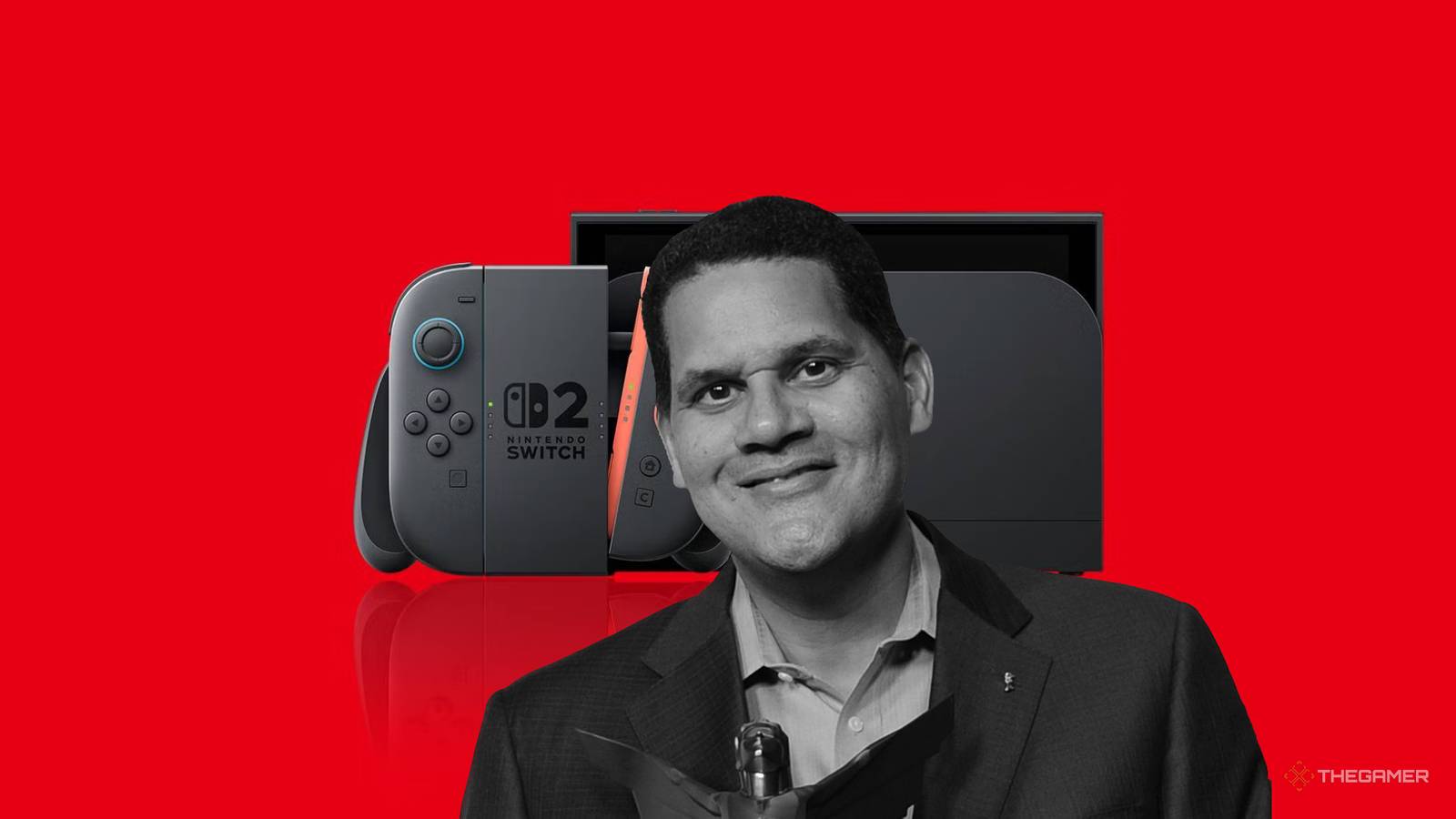
Former Nintendo President Explains Why It Never Discounts games like The Legend of Zelda: Breath of the Wild, citing a philosophy rooted in long-term value and product quality. In a lecture published May 2026, Reggie Fils-Aime provided insight into the company's long-standing pricing model, which has often left consumers questioning why these titles remain at full price years after their initial launch.
Reggie Fils-Aime Explains the Philosophy Behind Nintendo Pricing
During a recent hour-long lecture at New York University, Reggie Fils-Aime addressed the long-standing curiosity surrounding Nintendo's pricing strategy. As the former President of Nintendo of America, Fils-Aime remains one of the most recognizable figures in the company's history. He used the opportunity to draw a parallel between Nintendo’s corporate culture and the traditional craftsmanship found in Kyoto, Japan.
Fils-Aime noted that Kyoto, the historical home of the emperor's palace, is renowned for its dedication to high-quality goods, including textiles and pottery. He argued that Nintendo applies a similar standard to its software development. According to Fils-Aime, while many modern games rely on massive day-one updates to become feature-complete, Nintendo aims to release products that are polished and fully functional from the moment they reach the consumer.
This commitment to quality is the primary driver behind their pricing consistency. Because the company invests heavily in ensuring a high-quality experience upon launch, they maintain that the value of their games does not diminish over time. Consequently, titles like The Legend of Zelda: Breath of the Wild, which holds a 97 Metacritic score, have remained at their original price point throughout their retail lifespan.
Why Are Legend of Zelda Games Never on Sale?
The question of why Legend of Zelda games are never on sale is a frequent topic of discussion among the gaming community. Fils-Aime clarified that the company’s internal policy is to never discount its own software. While retailers may occasionally choose to lower prices for their own promotional reasons, Nintendo itself does not initiate these reductions.
This approach stands in contrast to many other publishers who frequently utilize deep discounts to drive sales volume long after a game's release. For Nintendo, the goal is to establish a "fair price" at launch and keep that price consistent. By avoiding the cycle of frequent sales, the company preserves the perceived value of its intellectual property, ensuring that a game released in 2017 is treated with the same market respect as a new release.
The Shift Toward Modern Market Flexibility
Despite his defense of the traditional model, Fils-Aime acknowledged that the industry is changing. During his lecture, he suggested that while the core philosophy of quality remains, the company must also be mindful of how the marketplace evolves. He emphasized that there is a need for "thoughtfulness" when considering how to approach pricing in the modern era.
Fils-Aime noted that being strictly beholden to a specific price point without considering the broader context of the industry might not always be the optimal path. He suggested that future strategies might require more flexibility to meet the changing expectations of players. This shift in perspective highlights an awareness that even a company with a rigid pricing history must adapt to stay relevant in a competitive, globalized gaming market.
Key Factors in Nintendo's Pricing Strategy
To understand why the company maintains its stance, consider these key factors observed in their business operations:
- Feature-Complete Releases: Nintendo prioritizes shipping games that do not rely on post-launch patches to fix core gameplay issues.
- Brand Prestige: By maintaining consistent pricing, Nintendo reinforces the status of its flagship franchises as premium products.
- Retail Independence: While Nintendo does not discount games, they allow third-party retailers the autonomy to set their own promotional prices.
- Long-Term Value: The company views its software as evergreen, meaning titles remain relevant to new console owners for years after the initial release.
As we continue our coverage at In Game News, we will monitor how these corporate philosophies translate into future hardware and software releases. For more on the evolution of industry standards, you can browse our Nintendo coverage or read our analysis of current gaming industry trends.
Frequently Asked Questions
Why does Nintendo never discount games like The Legend of Zelda: Breath of the Wild?
Nintendo maintains a policy of charging a consistent, fair price for its games, which are designed to be feature-complete upon release without requiring day-one updates.
Is The Legend of Zelda: Breath of the Wild ever discounted by Nintendo?
No, Nintendo does not officially discount its first-party titles, although individual retailers may occasionally choose to offer their own price reductions.
What is the official Nintendo pricing strategy explained by Reggie Fils-Aime?
The strategy focuses on delivering high-quality, finished products that hold their value over time, though Fils-Aime has noted that the company must remain thoughtful about modern market trends.