
Fortnite Overwatch Collab Rekindles Tracer Controversy in 2026
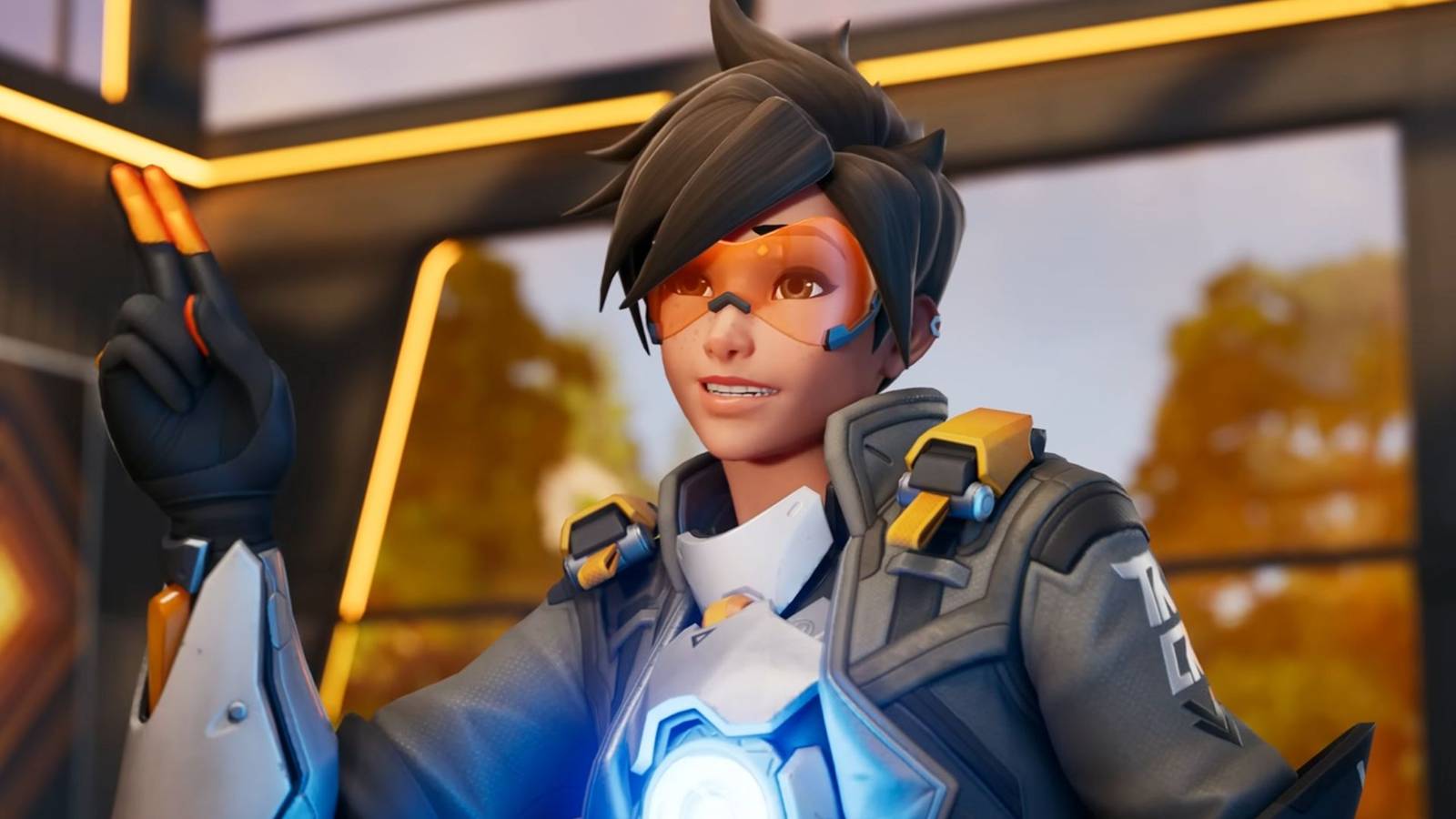
- Game: Fortnite Battle Royale
- Developer: Epic Games
- Original Release Date: 2017-09-26
- Platforms: PC, PlayStation 5, PlayStation 4, Xbox One, Xbox Series S/X, Nintendo Switch, iOS, Android
The recent integration of characters from the Overwatch franchise into Fortnite, the popular Battle Royale title developed by Epic Games, has inadvertently triggered a wave of discourse reminiscent of historical industry debates. Following the highly anticipated release date and the subsequent countdown to the character launch, players across various platforms have focused their attention on the character model of Tracer. This renewed interest highlights the enduring cultural footprint of the original 2016 controversy, often referred to by the community as 'buttgate'.
The Return of the Tracer Controversy
As Epic Games rolled out the latest content update for Fortnite, the arrival of Tracer was met with both enthusiasm and immediate scrutiny. While collaborations between major shooter franchises are common in the current gaming climate, the specific history associated with Tracer’s design choices has made this particular addition a focal point for discussion. Our coverage at In Game News has tracked how community sentiment quickly shifted from excitement regarding the Overwatch Fortnite collaboration to a rehashing of past design debates.
The core of the current discussion centers on whether the Overwatch Tracer Fortnite skin design changes 2026 adequately address or unintentionally highlight the elements that caused the initial 2016 scandal. In the original instance, players expressed concerns regarding a specific victory pose that featured the character in a way that some felt was inconsistent with her established personality. Blizzard Entertainment, the developer behind Overwatch, responded at the time by removing the pose and replacing it, a move that became a defining moment for community-developer communication in the mid-2010s.
Analyzing the Overwatch Fortnite Crossover Drama
The Overwatch Fortnite collaboration has brought these decade-old conversations to the forefront of social media platforms. Users are actively comparing the character's movement animations and idle poses in the Fortnite Battle Royale environment to her original iterations in the Overwatch series. This comparison has led to a polarized response among the player base, with some arguing that the character design is a faithful recreation, while others suggest that the transition to the new engine has altered the character's presentation in ways that invite renewed criticism.
It is important to note that the Overwatch Fortnite collaboration is a technical achievement, allowing for the seamless integration of characters into the Epic Games ecosystem. However, the technical success of the crossover has been overshadowed by the social discourse. We have observed that the Overwatch Fortnite collaboration Tracer controversy details are primarily driven by legacy fans who remember the initial 2016 event, rather than new players who may be encountering the character for the first time through this crossover.
Community Response and Design Evolution
The evolution of character design in modern gaming often involves a balance between maintaining source material integrity and adapting to the aesthetic requirements of a new platform. In the case of Tracer, the challenge lies in the fact that her character model carries significant historical baggage. The Overwatch Tracer Fortnite skin design changes 2026 demonstrate the difficulty of porting a character that has been the subject of intense public scrutiny.
When analyzing why the Overwatch Fortnite crossover is causing drama, one must look at the intersection of nostalgia and modern design standards. Players who have spent years with the character in the Overwatch ecosystem have developed specific expectations for how she should move and appear. When those expectations are not met—or when they are met in a way that reminds players of a previous controversy—the result is often an immediate and vocal reaction on social media and gaming forums.
Key Factors in the Current Debate
- Legacy Expectations: Long-term fans of the Overwatch franchise are applying 2016-era design standards to the 2026 Fortnite integration.
- Animation Differences: The unique movement physics of the Fortnite engine result in different character poses compared to the original Overwatch engine.
- Social Media Amplification: The ease of sharing clips and comparisons has accelerated the spread of the controversy compared to the original 2016 event.
For those interested in how these types of industry trends develop, you can follow our ongoing gaming trends coverage. The intersection of different intellectual properties often leads to unpredictable outcomes, and this specific collaboration serves as a case study in how historical controversies can impact modern marketing and release strategies.
Moving Forward with Industry Collaborations
As the gaming industry continues to favor crossovers as a primary method for content expansion, the potential for similar controversies remains high. Developers like Epic Games must navigate the fine line between satisfying the existing fan base of a guest character and ensuring that the integration fits within the established visual style of their own game. The case of Tracer in Fortnite proves that even ten years later, specific character design elements can remain highly sensitive topics for the community.
We will continue to monitor the situation as more players gain access to the skin and provide feedback. For more updates on how major titles are handling these types of integrations, check out our industry news coverage. The goal for developers remains to provide a seamless experience, but as this situation demonstrates, the community's memory of past design choices is a factor that cannot be ignored.
Frequently Asked Questions
Why is the Overwatch Fortnite crossover causing drama?
The crossover has reignited online discussions regarding Tracer's character model and animation, specifically referencing the 2016 'buttgate' controversy.
Did the Fortnite Overwatch collab bring back Tracer controversy?
Yes, the inclusion of Tracer in Fortnite has led to renewed scrutiny and social media debate surrounding her character design and pose animations.
What is the Overwatch Tracer buttgate scandal?
The original 2016 controversy involved player feedback regarding a specific victory pose for Tracer, which Blizzard Entertainment subsequently adjusted.
Amazon Confirms Cancellation of Lord of the Rings MMO in 2026Action
ARC Raiders Update Strategy Shift as Sales Cross 16 Million in 2026Final Fantasy, Dragon Quest
Square Enix Is Aiming To Release Big Games Much Faster in 2026Blockon
Blockon Now Available On Xbox And PC: Precision Puzzle Gaming in 2026