
Gaming News: How Doom Outpaced Windows 3.1 Installations in 1995
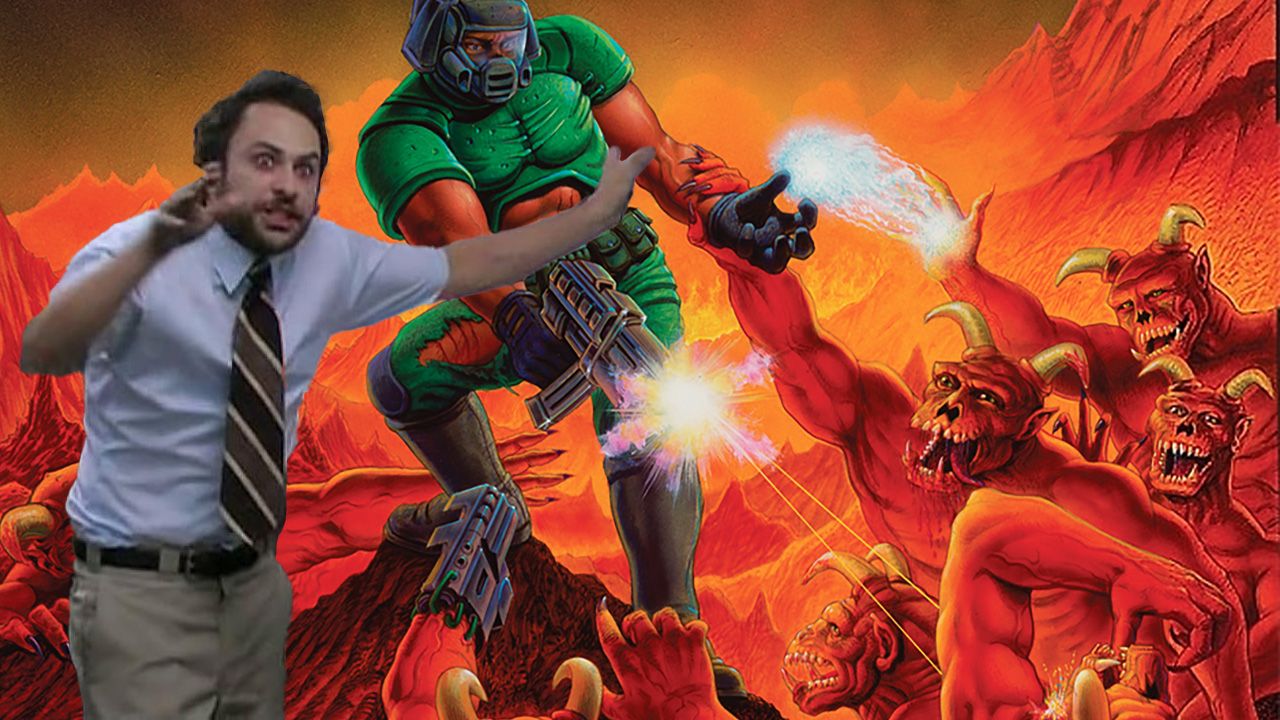
- Game: DOOM (2016)
- Developer: id Software
- Shareware Downloads: 20 million (estimated)
- Windows 3.1 Context: 13 million copies sold by late 1992
In the latest gaming news, historical data regarding video games from the 1990s highlights a unique milestone where the original Doom was installed on more PCs than the Windows 3.1 operating system. This phenomenon, which occurred during the mid-1990s, serves as a testament to the effectiveness of the shareware distribution model utilized by id Software. As we reflect on the history of PC gaming, these figures provide context for how software distribution functioned before the dominance of modern digital storefronts.
The History of Doom Installation Numbers on 1990s PCs
The ubiquity of the original Doom in the early 1990s is a frequently cited topic in our PC gaming coverage. During this era, personal computing was undergoing a rapid transition. While many users associate the period with the rise of Microsoft Windows, the shareware model allowed id Software to bypass traditional retail barriers. By providing the first episode of the game for free, the developer ensured that the title reached a massive audience, often exceeding the reach of the operating systems upon which it ran.
The comparison between Doom and Windows 3.1 is rooted in studies conducted by Microsoft during the mid-90s. At the time, Microsoft sought to understand the habits of its user base, which led to the discovery that the game was present on a higher volume of machines than their own software environment. This discrepancy is largely attributed to the fact that Doom was a DOS-based application, operating independently of the graphical user interface that Windows provided at the time.
Did id Software Confirm Doom Was More Popular Than Windows?
In a 2008 interview with PC Gamer, id Software programmer John Carmack discussed the implications of these statistics. Carmack recalled that Microsoft performed a study that showed a higher number of Doom installations compared to Windows 3.1. He noted that while it was difficult to assign a direct monetary value to the shareware model, the resulting brand awareness was immense. Carmack suggested that while the company might have been able to monetize the effort more effectively, the strategy was ultimately beneficial for the long-term recognition of the franchise.
The sheer scale of these numbers is significant when compared to the official sales figures for Windows 3.1. According to historical records, Microsoft sold approximately 10 million copies of Windows 3.0 between 1990 and 1992, followed by another 3 million copies of Windows 3.1 within its first three months on the market. In contrast, Jay Wilbur, the president of id Software, stated in a 1996 interview that the shareware version of Doom had been downloaded 20 million times. This volume of distribution was unprecedented for independent software developers in that era.
The Role of the Shareware Model
The shareware model was the primary engine behind these numbers. By allowing users to copy and share the first episode of the game freely, id Software turned their player base into a distribution network. This approach minimized marketing costs while maximizing the game's footprint. The following table illustrates the contrast in distribution metrics during that period:
| Category | Estimated Metric |
|---|---|
| Windows 3.1 (Initial Sales) | ~13 Million |
| Doom Shareware (Downloads) | ~20 Million |
It is important to note that these install numbers do not equate directly to retail sales. Many users who had the shareware version installed may never have purchased the full game. However, the data confirms that the game was a fixture on a vast majority of home computers in the mid-90s, cementing its place in computing history.
Gabe Newell and the Microsoft Perspective
The significance of these installation numbers was not lost on industry figures like Valve founder Gabe Newell. During his time at Microsoft in the early 1990s, Newell was involved in efforts to better understand how users interacted with software. In a 2013 interview, Newell explained that Microsoft had little insight into the actual usage of its software because it relied heavily on retail data. To address this, the company conducted a large-scale study, examining 10,000 machines to observe what software was actually present on user systems.
This study confirmed that the popularity of Doom was not merely anecdotal. It provided empirical evidence that independent software could achieve a level of penetration that even the largest software corporations struggled to measure or match. This realization influenced the way many developers approached software distribution in the years that followed, leading to the digital distribution models that are standard in the industry today.
Contextualizing Modern DOOM
While the early history of the franchise is defined by shareware, the series has evolved significantly. The 2016 release of DOOM, developed by id Software and published by Bethesda Softworks, marked a return to the franchise's roots as a high-octane action shooter. With a Metacritic score of 85, the title demonstrated that the core gameplay loop established in the 1990s remained relevant to modern audiences on PC, Xbox One, PlayStation 4, and Nintendo Switch. For more details on the evolution of the series, check out our Doom series coverage.
Frequently Asked Questions
Was Doom installed on more PCs than Windows 3.1 in 1995?
Yes, internal studies conducted by Microsoft at the time indicated that the shareware version of Doom was installed on more personal computers than the Windows 3.1 operating system.
How many copies of Doom were installed in 1995?
According to a 1996 interview with id Software president Jay Wilbur, the shareware version of the original Doom had been downloaded approximately 20 million times.
What did John Carmack say about Doom shareware statistics?
John Carmack noted that while it was difficult to quantify the exact financial value of the shareware model, the widespread awareness generated by the game being installed on millions of machines was significant for id Software.