
Gaming Trends That Players Realize Marked Generation Until Years Later
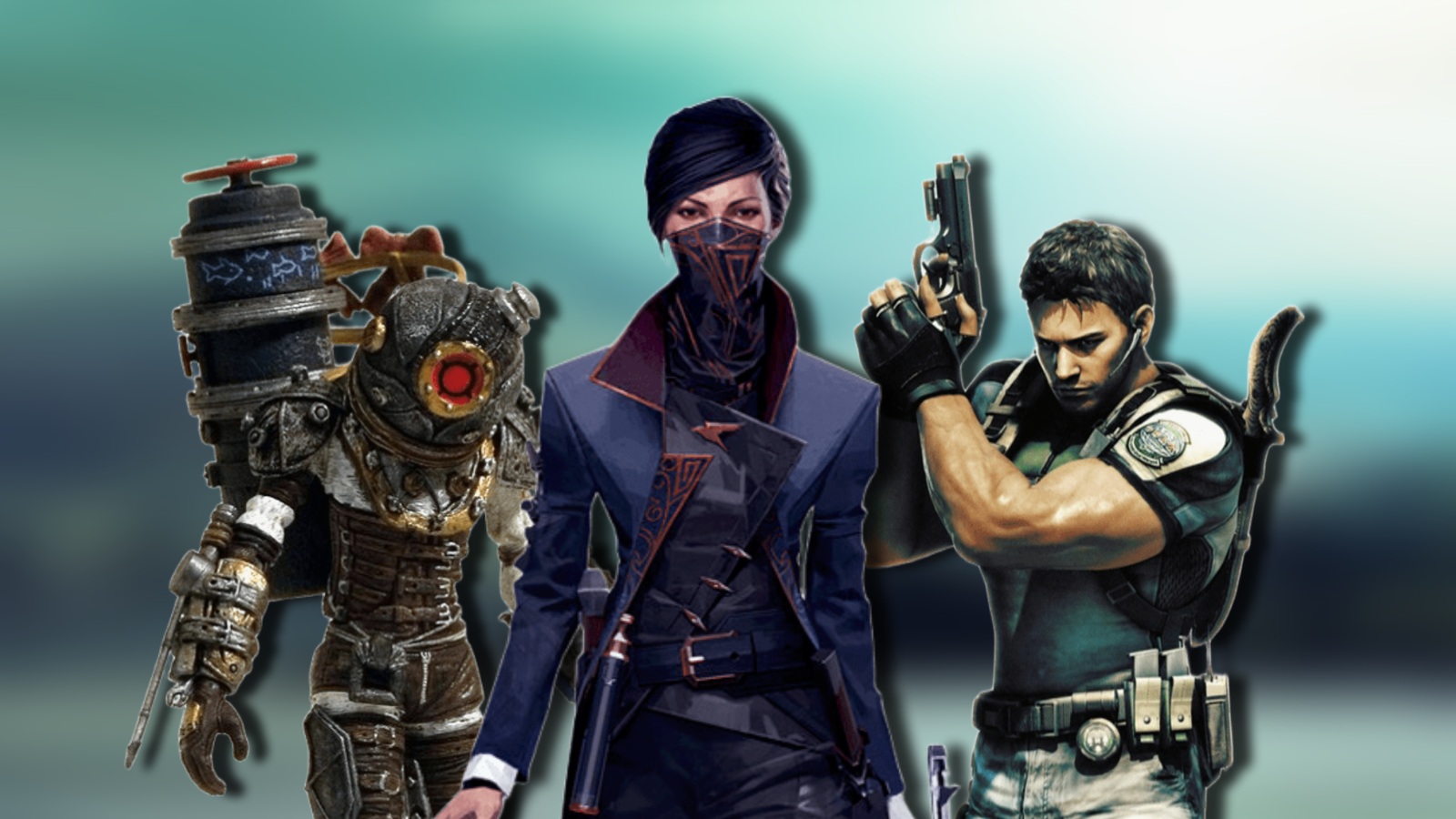
- Game: Dishonored 2
- Developer: Arkane Studios
- Release Date: 2016-11-10
- Genres: Action, RPG
- Metacritic Score: 86
- Platforms: PC, Xbox One, PlayStation 4
Gaming Trends That Players Realize Marked Generation Until Years Later often stem from shifts in development philosophy that only become apparent after a console cycle concludes. As we look back from 2026, it is clear that the evolution of the interactive medium has been exponential, moving from a niche hobby to a global ecosystem. In this context, titles like Dishonored 2, developed by Arkane Studios and published by Bethesda Softworks, serve as primary examples of how industry standards change at speeds that often outpace consumer awareness.
Gaming Industry Trends That Defined the End of a Generation
The history of video games is filled with moments where specific design choices were phased out due to market forces and the rise of more commercially successful alternatives. When we analyze gaming industry trends that defined the end of a generation, we see a pattern of developers moving away from complex, systems-heavy gameplay in favor of broader accessibility. This phenomenon is not merely about technological limitations; it is about the economic reality of modern game production, where the risk associated with niche design often outweighs the potential for mainstream success.
The transition between console generations frequently acts as a filter for these design philosophies. In the years following 2016, the industry saw a departure from the specific brand of immersive simulation that Arkane Studios mastered. While Dishonored 2 achieved a Metacritic score of 86, its legacy is tied to a period where the market began to prioritize different engagement models. For more on how these shifts impact current releases, check out our gaming trends coverage.
How Did Dishonored 2 Influence Modern Gaming Trends?
To understand the influence of Dishonored 2, one must look at its systemic depth. The game allowed players to navigate environments through a variety of emergent solutions, a hallmark of the immersive sim genre. However, as the industry moved into the late 2020s, the demand for such high-density design became harder to sustain. Analysis of gaming generation shifts and industry trends suggests that the complexity found in 2016 titles required a level of player investment that became increasingly rare in the era of live-service and streamlined action games.
The design of Dishonored 2 forced players to engage with the environment as a set of interconnected systems rather than a series of scripted encounters. This approach influenced a generation of developers who sought to emulate that level of freedom, even as the market began to favor clearer, more guided experiences. By 2026, the industry has largely moved toward designs that emphasize player onboarding and reduced friction, making the systemic density of 2016 feel like a relic of a different era.
The Shift in Immersive Sim Design
Did Dishonored 2 signal a shift in immersive sim design? The evidence suggests that it represented a peak for the genre in terms of mainstream visibility before the market pivoted. The game provided a template for how to blend stealth, action, and RPG elements into a cohesive whole, but the resources required to maintain that quality led many studios to pursue more scalable project models. For a deeper look at how these technical decisions affect current titles, see our game design analysis.
What Gaming Trends Marked the End of an Era in 2026?
In 2026, we can identify several trends that have reached their conclusion since the mid-2010s. The decline of the traditional, single-player immersive sim is one of the most prominent. While these games still exist, they no longer dictate the industry's direction as they did in the mid-2010s. The following table highlights the transition in design priorities observed over the last decade:
| Design Element | 2016 Era (Dishonored 2) | 2026 Era (Modern Standards) |
|---|---|---|
| Player Agency | High (Systemic Complexity) | Moderate (Guided Narrative) |
| Tutorialization | Minimal/Organic | High/Explicit |
| World Design | Dense/Interconnected | Large/Expansive |
The shift from dense, multi-layered environments to massive, open-world maps is another hallmark of this era. While players initially appreciated the scale of these newer titles, the loss of the intricate, reactive systems found in games like Dishonored 2 has become more apparent as time has passed. This is not necessarily a negative evolution, but a change in the primary objective of game design: moving from simulation to experience-based entertainment.
The Economic Reality of Game Development
The transition in gaming trends is also a story of economics. As the cost of developing AAA titles has skyrocketed, the ability to take risks on experimental mechanics has diminished. In 2016, Arkane Studios was able to leverage the reputation of the first Dishonored to push the boundaries of the genre. By 2026, the pressure to ensure a high return on investment has led many publishers to adopt safer, more predictable design patterns. This economic pressure is a core component of why certain mechanics, once considered standard, have effectively disappeared from the mainstream.
We have observed that the industry's focus has shifted toward player retention and long-term engagement. While Dishonored 2 offered a complete, self-contained experience that rewarded multiple playthroughs, modern trends often favor systems that keep players within a single ecosystem for months or years. This change in the business model has direct consequences for the types of games that get greenlit and the design philosophies that are prioritized during development.
Frequently Asked Questions
As we continue our coverage at In Game News, we frequently receive inquiries regarding the evolution of the industry. Below are the most common questions regarding the transition of gaming eras.
What gaming trends marked the end of an era in 2026?
The industry transitioned away from specific immersive sim design philosophies and legacy mechanics that were once standard, favoring modernized, streamlined player experiences.
How did Dishonored 2 influence modern gaming trends?
Dishonored 2 showcased a high-water mark for immersive sim complexity, influencing how developers balance player agency against the rising costs of production and shifting market expectations.
Did Dishonored 2 signal a shift in immersive sim design?
Yes, the title stands as a marker for when the genre began to face market pressure, leading to a shift toward more accessible design rather than the dense, systemic complexity seen in 2016.
Faircroft Antiques: The Forbidden Crypt Collector’s Edition Review 2026PC Gaming
Steam Machine 2026 Release Date, Pre-load, and Latest Valve UpdatesGaming News
A Low-Poly Man Convinced He Is Living In A PlayStation Game in 2026 FilmFixes & Errors
Rayman Origins: Enhanced Edition Leak Reveals First Details in 2026