
Half-Life 2 Evolution: Analyzing 20 Years of Version Differences in 2026
- Game: Half-Life 2
- Developer/Publisher: Valve
- Original Release: 2004-11-16
- Platforms: PC, Android, macOS, Linux, Xbox 360, Xbox
While industry discourse currently focuses on major upcoming titles like Resident Evil 9 from Capcom, featuring the return of Leon Kennedy, and the recent Silent Hill 2 Remake by Konami, long-standing classics continue to undergo silent transformations. Valve’s iconic shooter, Half-Life 2, has evolved significantly over its two-decade lifespan through various patches and re-releases. Recent analysis of these builds reveals that the game experienced far more technical adjustments than many players realize, shifting from the original 2004 retail release to the modern 2026 anniversary standards.
Half-Life 2 Version Differences Analysis 2026
To understand the current state of the game, we must look at the progression from the original 2004 release to the 2007 Orange Box re-release, and finally the massive 20th-anniversary update. YouTuber Ocelot, known for his technical comparisons of titles like Silent Hill 3 and Resident Evil: Code Veronica, has documented these changes. The comparison highlights that Valve consistently updated assets to maintain visual parity across their catalog.
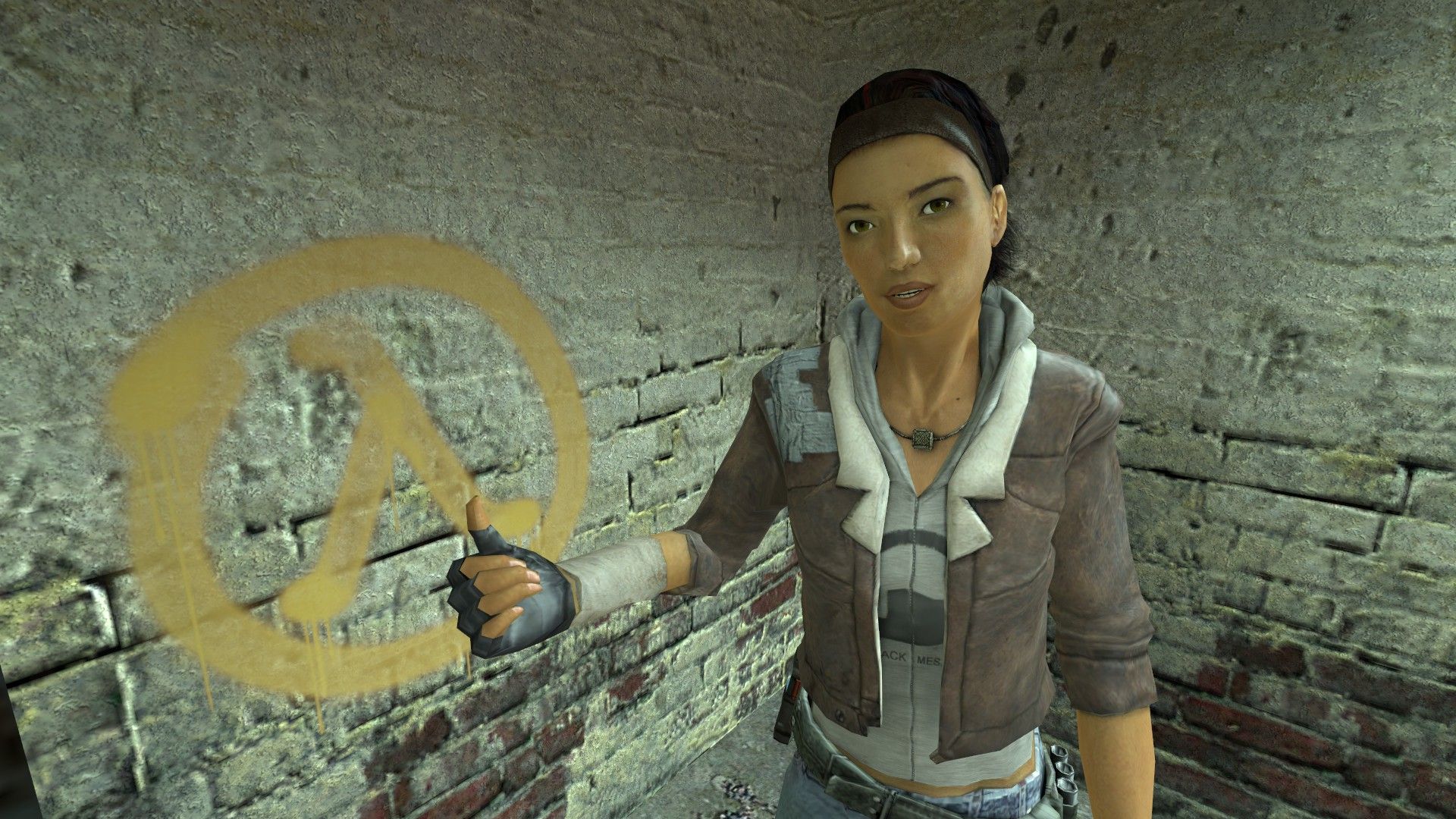
One of the most notable changes involves character models. The high-resolution version of Alyx Vance, originally developed for the subsequent expansion episodes, was eventually patched into the base game. This change, alongside updates to G-Man’s eye textures and the reflectivity of cloth materials, demonstrates a steady refinement of the game's visual fidelity. Furthermore, UI elements have changed; for instance, the original 2004 release did not feature on-screen text for chapter titles, a standard that was added in later iterations.
What Changed in the Half-Life 2 Sewer Puzzle
For players who struggled with the early sections of the game, the Route Kanal chapter provides a clear example of how Valve balanced gameplay over time. The buoyancy puzzle, which requires players to navigate a water-filled area, was notoriously difficult in the original version. Players had to turn a valve to raise the water level and then use floating wooden objects to reach higher ground.
In the original 2004 build, these wooden objects possessed lower buoyancy, often sinking or failing to provide a stable platform. This forced players to attempt the jump multiple times. In the current build of Half-Life 2, these objects have been adjusted to remain higher on the water's surface, making the platforming sequence significantly more accessible. This serves as a primary example of how Valve's development history involves subtle quality-of-life adjustments that often go unnoticed by the average player.
Comparing Half-Life 2 Orange Box vs Original Version Changes
The transition to the Orange Box version in 2007 marked a turning point for the game's engine and asset management. During this period, the game received significant lighting overhauls and adjustments to particle effects, specifically regarding fire and blood. These changes brought the base game closer to the visual style of Half-Life 2: Episode Two.
The following table summarizes the key areas of change identified in our coverage of the game's evolution:
| Feature | Original 2004 Version | Modern 2026 Version |
|---|---|---|
| Chapter Titles | Absent | Present as on-screen text |
| Alyx Model | Original low-res | High-res (Episode assets) |
| Route Kanal Puzzle | Low buoyancy (Hard) | High buoyancy (Easy) |
| G-Man Eyes | Basic texture | Refined/Updated |
The Rare Arcade Variant
Beyond the standard PC releases, the history of Half-Life 2 includes an obscure arcade version released in Japan. This iteration stands in stark contrast to the standard design philosophy of the title. It included a condensed story mode, cutscenes, and prominent glowing arrows to guide the player, features that diverge from the exploration-focused nature of the original game. This version also featured multiplayer components, marking a rare departure for the single-player-focused narrative.
While the original Xbox version of the game remains a technical curiosity due to how the hardware managed to run the engine, the arcade version represents an extreme example of how the game was adapted for different markets. As we continue our gaming history coverage at In Game News, it remains clear that the "definitive" version of Half-Life 2 is a moving target, shaped by two decades of incremental updates and platform-specific requirements.
Frequently Asked Questions
What changed in the Half-Life 2 20th anniversary update?
The 20th anniversary update for Half-Life 2 introduced various visual refinements, including adjustments to lighting, fire and blood effects, and updated character models.
Did Valve change the Half-Life 2 sewer puzzle?
Yes, the buoyancy puzzle in the Route Kanal chapter was modified to make the wooden objects more buoyant, significantly simplifying the process of reaching dry land compared to the original 2004 release.
What are the visual differences in Half-Life 2 updates?
Visual differences across versions include higher-resolution character models, such as the version of Alyx Vance from the expansion episodes, along with changes to G-Man's eyes and cloth textures.