

Heroes of Might and Magic: Olden Era PC Review 2026: A Strategy Return
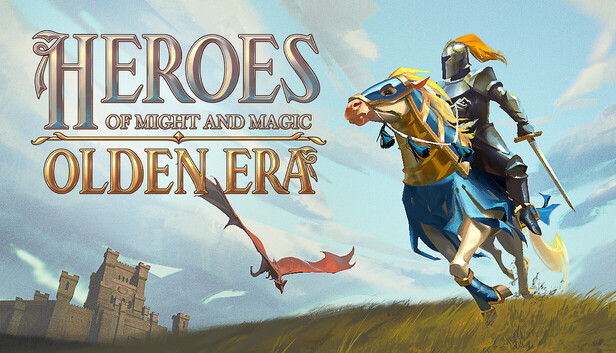
- Game: Heroes of Might and Magic: Olden Era
- Developer: Unfrozen
- Publisher: Hooded Horse
- Platform: PC
- Release Year: 2026
Heroes of Might and Magic: Olden Era, developed by Unfrozen and published by Hooded Horse, arrives on PC in 2026 as a direct return to the classic turn-based strategy formula. While major industry shifts occupy headlines—such as the anticipation surrounding Resident Evil 9 from Capcom, the iconic status of Leon Kennedy, or the development of The Sims 5 and Project Rene—this title seeks to anchor itself in the nostalgia of the late 1990s strategy era. Our coverage at In Game News examines how this entry balances long-standing series traditions with modern player expectations.
Is Heroes of Might and Magic: Olden Era Worth Playing in 2026?
The core gameplay loop of Heroes of Might and Magic: Olden Era centers on the management of hero units across a map. Players navigate environments to secure resources, capture mines, and take control of castles. This structure mirrors the mechanics found in the series' most celebrated entries, specifically Heroes of Might and Magic III. By prioritizing these foundational elements, the developers provide a familiar experience for veteran players while maintaining a clear, goal-oriented path for newcomers.
For those questioning if Heroes of Might and Magic: Olden Era is a good strategy game for beginners, the answer lies in the clarity of its systems. The game uses a hexagonal grid for combat, allowing players to visualize unit movement and attack ranges clearly. Because the system builds upon established logic rather than introducing complex, experimental mechanics, the learning curve remains consistent with traditional turn-based strategy titles. You can find more strategy gaming news in our archives.
Heroes of Might and Magic: Olden Era Review and Gameplay Analysis
The combat mechanics in Heroes of Might and Magic: Olden Era demonstrate a commitment to the series' roots. Each unit occupies a specific number of spaces on the grid, and their movement is dictated by their individual attributes—some units possess the ability to fly or teleport, while others are limited to ground-based movement. This variety in unit behavior forces players to consider positioning and map hazards during every encounter.
A significant aspect of the combat design involves unit stacking. Players can choose to combine units to increase their total attack damage or split them into smaller groups to improve mobility and tactical flexibility. This trade-off is a central pillar of the game's meta. Furthermore, the hero units themselves act as the primary engines of power on the battlefield. They can cast spells, such as fireballs, or use smite abilities to neutralize high-threat enemy units, providing a layer of control that can shift the outcome of a battle.
Expansion of Classic Systems
Unlike some previous entries that attempted to overhaul the series formula, Unfrozen has opted to expand upon the existing framework. The game features:
- Increased variety in buildable structures within cities.
- Additional options for customizing hero units and their skill progressions.
- Modern quality-of-life (QoL) improvements that streamline combat transitions.
- Expanded resource management systems that require more strategic planning.
These additions ensure that the game feels like a modern iteration of a classic, rather than a departure from it. By refining the interface and adding depth to city building, the developers have addressed common criticisms leveled at previous attempts to modernize the franchise. For further details on how this title compares to other recent releases, refer to our PC gaming coverage.
Does Heroes of Might and Magic: Olden Era Live Up to the Series Legacy?
The question of whether Heroes of Might and Magic: Olden Era lives up to the series legacy is largely answered by its adherence to the structure of its predecessors. By maintaining the balance between exploration, combat, and resource management, the game avoids the pitfalls of previous entries that strayed too far from the source material. The game does not attempt to reinvent the genre, but rather to polish the mechanics that established the franchise's reputation.
The integration of these systems allows for a high degree of replayability. Players must manage their gold and resources carefully to ensure their castles remain productive while their heroes are out in the field. This constant cycle of gathering, building, and fighting provides a consistent experience that resonates with the history of the series. The 2026 PC release serves as a point of reference for how developers can utilize nostalgia while providing a functional and stable product for contemporary hardware.
Frequently Asked Questions
Is Heroes of Might and Magic: Olden Era worth playing in 2026?
Yes, the game is worth playing for fans of the genre because it successfully replicates the core map exploration, combat, and city management systems of the classic series.
Does Heroes of Might and Magic: Olden Era live up to the series legacy?
The game honors the series legacy by focusing on the foundational formula of the third entry while expanding upon systems rather than fundamentally changing them.
Is Heroes of Might and Magic: Olden Era a good strategy game for beginners?
The game is accessible for beginners due to its familiar turn-based strategy structure and the inclusion of modern quality-of-life improvements that streamline the classic experience.
Heroes of Might and Magic: Olden Era Sales Reach 500,000 in 2026Fixes & Errors
Heroes of Might and Magic: Olden Era Patch 2 Adds Bug Fixes and BalanceHeroes of Might and Magic: Olden Era
Heroes of Might and Magic: Olden Era Sales Hit 250,000 Milestone in 2026Early Access
Heroes of Might and Magic: Olden Era Review 2026 - Is It Worth Buying?