Article by Mohammad Rauf • Senior Writer, In Game News …

Hideo Kojima Underfire in 2026 Following Generative AI Short Film Debut
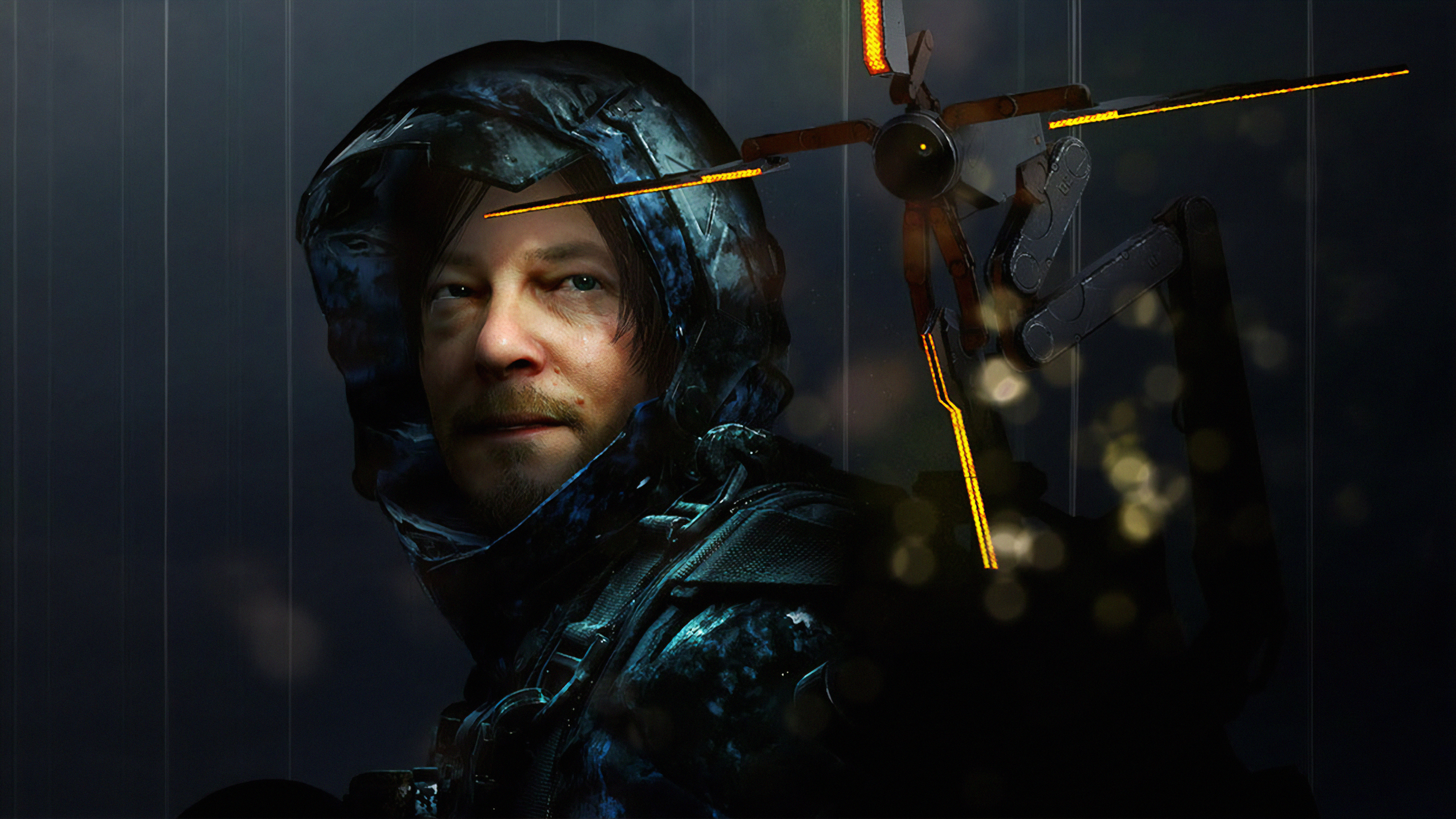
⚡ Quick Facts
- Game: Death Stranding
- Developer: Kojima Productions
- Metacritic Score: 84
- Initial Release: November 8, 2019
Game creator Hideo Kojima is currently facing significant public backlash, with many social media users telling the developer to Have Fun in a Festering Slop Pit, following the release of a new generative AI short film. As Hideo Kojima Underfire becomes a trending topic in 2026, industry observers are noting the intense response to the six-minute project that features the Short Hideo Kojima alongside frequent collaborator Nicolas Winding Refn. The film, which promotes an upcoming New York City event, premiered at the 79th Cannes Film Festival under the sponsorship of Prada.
The 2026 Generative AI Short Film Controversy
The project represents a collaboration between Kojima and director Nicolas Winding Refn, intended to explore the potential of generative AI within a narrative framework. The short film features both men crash-landing on a hostile, extraterrestrial landscape. While the full six-minute production has not been made available for wide public viewing, a condensed version has been shared across various social media platforms, triggering immediate debate regarding the ethics of AI-generated content in professional creative spaces.
The backlash appears rooted in the broader industry discourse surrounding the environmental and ethical implications of generative AI. Critics highlight that these models are often trained on datasets containing copyrighted works without explicit consent. Furthermore, the immense energy and water consumption required to maintain the server infrastructure necessary for such AI experiments has drawn concern from environmental advocates. At In Game News, we have monitored these developments closely to provide our readers with the most accurate context regarding the creator of Death Stranding.
Collaborative Intent and Public Reception
In a statement released alongside the debut, Nicolas Winding Refn described the partnership as a reflection of their shared creative consciousness. Refn noted that he and Kojima have long felt as though they were moving through different lives while orbiting the same obsessions. This philosophical framing, however, has failed to insulate the project from harsh criticism. On community platforms such as ResetEra, users have expressed strong disapproval of the experiment, utilizing derogatory terms to describe the output of generative AI tools.
Despite the vocal opposition, there has been no official statement from Kojima Productions regarding the specific criticisms. Industry analysts suggest that while the auteur may have signed off on the project as a technological exploration, the current climate regarding AI in art makes any such endeavor a lightning rod for controversy. The following list outlines the primary points of contention raised by the public regarding this experiment:
- Copyright Concerns: The reliance of generative AI models on potentially unauthorized training data.
- Environmental Impact: The significant carbon footprint associated with the energy and water usage of AI-driven server farms.
- Artistic Integrity: The ongoing debate regarding whether content generated via prompts can possess inherent meaning or purpose.
Contextualizing Kojima's Career and Technological Experiments
Hideo Kojima is well known for his commitment to pushing technological boundaries. His seminal title, Death Stranding, which launched on PlayStation 4 and later PC, holds a Metacritic score of 84. The game is recognized for its unique approach to the action-adventure genre, emphasizing connectivity and traversal. Given his history of integrating emerging tech into his development workflows, it is perhaps expected that he would experiment with generative AI. However, the current 2026 landscape for such technology is significantly more polarized than in previous years.
For readers interested in the history of Kojima's work, we encourage you to browse our gaming history coverage. The transition from traditional game development to experimental short-form media represents a shift in how high-profile creators engage with their audiences. While the short film is currently being framed as a promotional piece for a New York City event, its reception suggests that the gaming community is increasingly sensitive to how AI is utilized by established figures.
Technological Limitations and Future Outlook
The debate surrounding the short film is indicative of a wider struggle within the creative industries. As generative AI becomes more accessible, the distinction between human-authored art and machine-assisted output continues to blur. While some proponents argue that these tools are merely a new medium for expression, a significant portion of the audience remains skeptical, viewing the reliance on prompts as a dilution of the creative process. As we continue our coverage of these events, it remains to be seen if Kojima will address the specific concerns regarding the use of AI in his future projects.
Frequently Asked Questions
Below are the most common inquiries regarding the recent controversy involving Hideo Kojima and generative AI.
What is the Hideo Kojima AI short film about?
The six-minute short film depicts Hideo Kojima and collaborator Nicolas Winding Refn crash-landing on a hostile alien planet with a retro sci-fi aesthetic.
Why is Hideo Kojima under fire for the AI short film?
Kojima is facing criticism because the project utilizes generative AI technology, which is frequently scrutinized for being trained on copyrighted materials and having high environmental costs.
What was the purpose of the Death Stranding creator's AI experiment?
The short film was produced as an experiment to explore the creative possibilities of generative AI technology, debuting at the 79th Cannes Film Festival by Prada.
📖 Read More
Action
Hideo Kojima and Death Stranding: Analyzing the 2026 PredictionsAction
Gabe Newell, Elon Musk, and Hideo Kojima: The 2026 Email RevelationsBluepoint Games
Guerrilla Reveals Decima Engine Upscaling: Rivaling Sony’s PSSRAnimal Well
In Game News Reports on the Death of the Grind: New Industry Trends a...
Hideo Kojima and Death Stranding: Analyzing the 2026 PredictionsAction
Gabe Newell, Elon Musk, and Hideo Kojima: The 2026 Email RevelationsBluepoint Games
Guerrilla Reveals Decima Engine Upscaling: Rivaling Sony’s PSSRAnimal Well
In Game News Reports on the Death of the Grind: New Industry Trends a...