
How Early Nintendo Developed Super Mario Bros. and Zelda Simultaneously
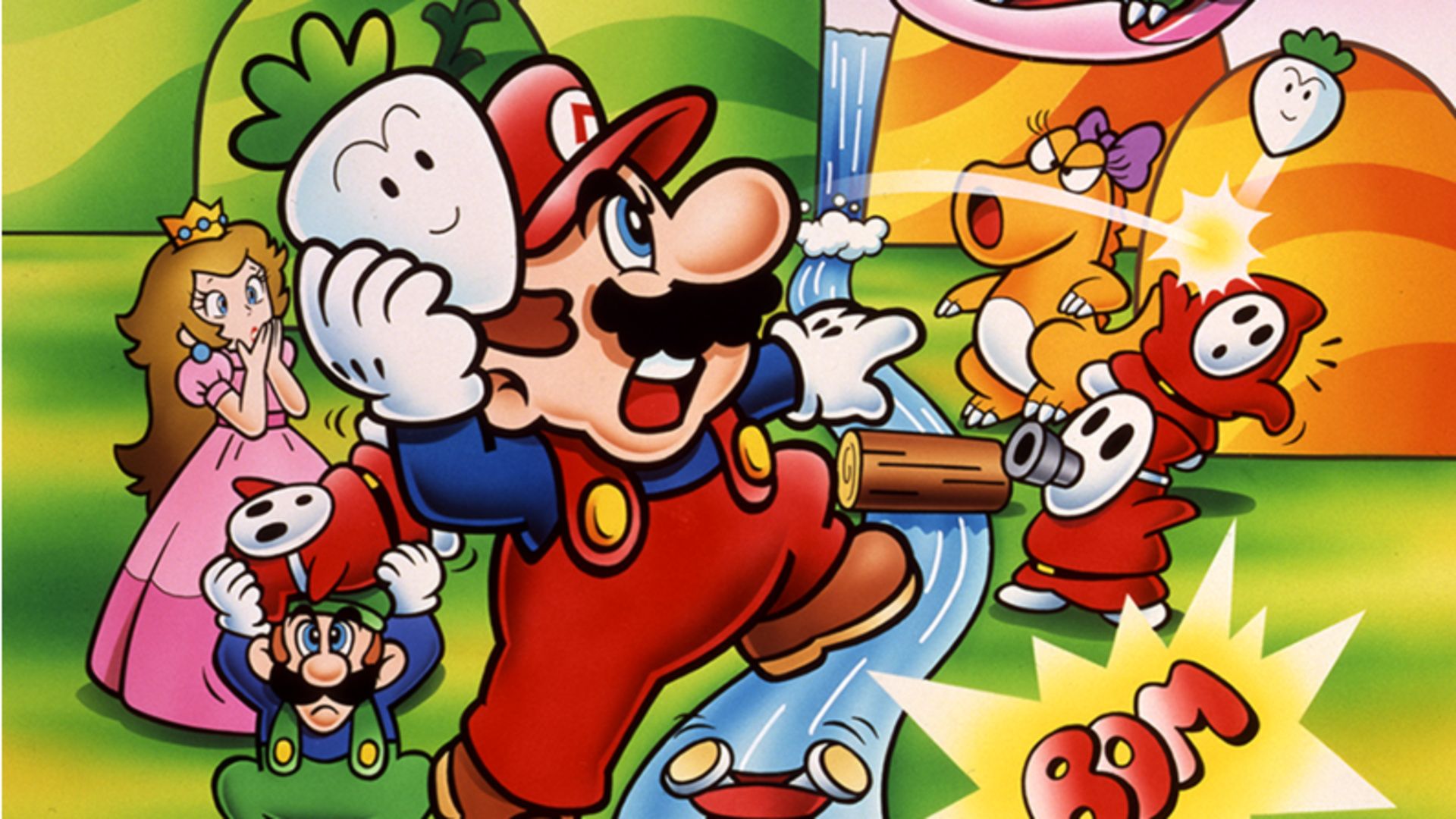
- Games: Super Mario Bros. and The Legend of Zelda
- Developer: Nintendo
- Release Year: 1985 (Super Mario Bros.)
- Lead Designer: Shigeru Miyamoto
Early Nintendo development was defined by a period of intense creative output, as the studio managed the production of two iconic franchises during the mid-1980s. Shigeru Miyamoto, the creator of both Super Mario Bros. and The Legend of Zelda, recently recalled that the studio operated like a "madhouse" while these projects progressed simultaneously in 1984.
Shigeru Miyamoto on Early Nintendo Development History
In a Q&A session originally featured on the 1994 audio CD The Legend of Zelda: Sound and Drama, Miyamoto provided insight into the logistical hurdles faced by the team. He noted that development on Super Mario Bros. began shortly before the team shifted focus to the original The Legend of Zelda. This overlap created a high-pressure environment where staff were stretched thin across multiple high-priority titles.
Miyamoto explained that the team found it difficult to transition programmers from the completion of the platformer to the final stages of the adventure title. Because the two games required different design philosophies, the shift in focus for the development team was a significant operational challenge. This period serves as a look into the history of Nintendo development during the 1980s, highlighting how limited resources forced developers to adapt quickly.
How Was Super Mario Bros and The Legend of Zelda Developed Simultaneously?
The simultaneous development of these two titles was not merely a matter of scheduling, but a test of design consistency. While Super Mario Bros., released on September 13, 1985, for the Nintendo Entertainment System, was designed to be intuitive and accessible, The Legend of Zelda presented a more complex barrier to entry. Miyamoto and his team were acutely aware that players might struggle with the lack of guidance in the latter.
The design team worried that users would not grasp the mechanics of the game, especially since players could start without a sword if they took the wrong path on the opening screen. To mitigate this, the team focused on creating a sense of exploration. Miyamoto wanted players to understand the history and nature of the game world through direct interaction rather than relying solely on dialogue, which was the standard for role-playing games at the time.
Key Design Differences
- Super Mario Bros.: Focused on linear progression, platforming mechanics, and immediate accessibility.
- The Legend of Zelda: Focused on non-linear exploration, dungeon conquest, and a mapping system.
The Legend of Zelda 1984 Development Challenges Explained
The primary hurdle for the The Legend of Zelda team was ensuring that players could navigate the world without feeling lost. Miyamoto emphasized that he wanted to move away from traditional RPG tropes. Instead of having the story unfold through text boxes, the team encouraged players to use the controller to interact with the environment. This shift required a robust mapping system that would allow players to conquer dungeons effectively.
The pressure to finish these projects meant that the same developers were often pulled between two distinct styles of gameplay. For our readers following our retrospective coverage, this revelation clarifies why the early library of the Nintendo Entertainment System feels so distinct. The team was balancing the refinement of side-scrolling action with the experimentation of top-down adventure mechanics.
Miyamoto also reflected on the legacy of these titles. While he considers The Legend of Zelda a success in terms of its exploration goals, he has been critical of subsequent entries, noting that he viewed the second game in the series as a failure and considered A Link to the Past to be the true sequel to the original vision.
Industry Impact and Legacy
It is notable that two games that fundamentally changed the industry were produced by the same director and largely the same team within such a short timeframe. In the modern era of game development, the gap between entries in these franchises is often measured in years, making the 1984-1985 period at Nintendo an anomaly in terms of output speed and quality control.
The ability to maintain two separate, high-quality development tracks while sharing programming resources remains a point of interest for historians and fans of the medium. The internal struggles described by Miyamoto provide context for why certain design choices were made, particularly the emphasis on player freedom in the initial Zelda title despite the risks of player confusion.
Frequently Asked Questions
How was Super Mario Bros and The Legend of Zelda developed simultaneously?
Shigeru Miyamoto and his team worked on both projects concurrently starting in 1984, which required sharing programming staff between the two titles during their final development phases.
What did Shigeru Miyamoto say about early Nintendo development?
Miyamoto described the early Nintendo environment as a madhouse where the team was extremely busy balancing the planning and production of two major projects at once.
What were the primary development challenges for The Legend of Zelda in 1984?
The team struggled with the game's complexity and feared players would not understand how to navigate or progress, particularly since the game lacked the intuitive nature of Super Mario Bros.