
How Jim Henson Company Puppeteers Influenced Valve Animation in 2026
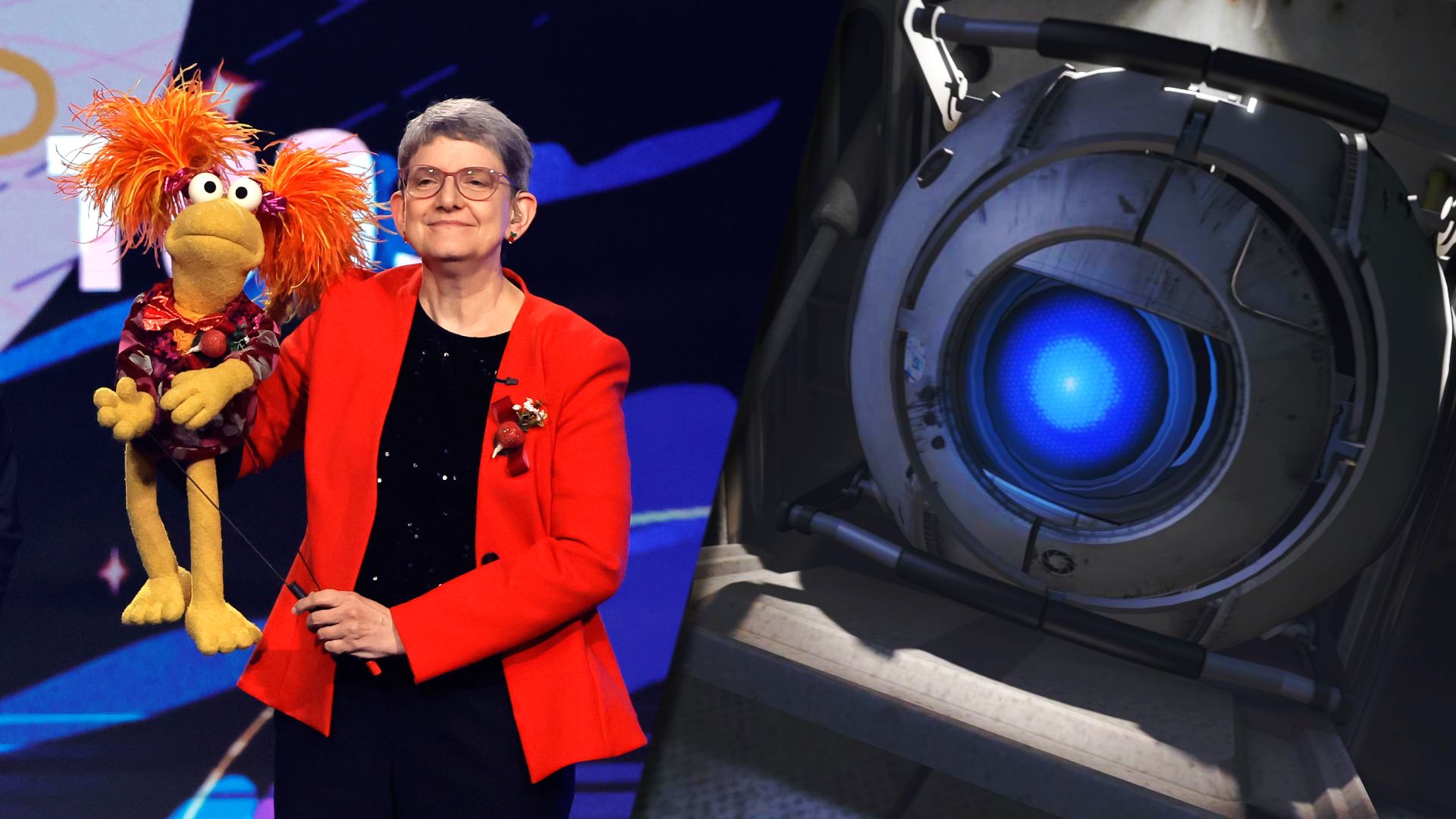
- Game: Portal 2
- Developer: Valve
- Release Date: 2011-04-18
- Metacritic Score: 95
The unique character animation style found in Valve titles is heavily influenced by the expertise of the Jim Henson Company, as evidenced by the studio's recruitment of professional puppeteers. Recent historical analysis by In Game News confirms that the distinct, expressive movements of characters like Wheatley in Portal 2 were shaped by the contributions of industry veterans, including imagery captured by photographers like Kevin Winter and archived by Getty Images. By integrating traditional performance techniques with modern digital tools, Valve established a standard for character-driven storytelling that remains relevant in the 2026 gaming market.
The History of Valve Character Animation Style
Valve has long been recognized for its ability to create characters that feel authentic, even when those characters are inorganic or inhuman. While the studio is often associated with high-tech development, its internal animation philosophy relies on principles of performance that predate the digital era. The studio’s approach focuses on subtle gesticulation and timing, techniques that prioritize the intent behind a movement rather than merely the mechanics of the character model.
This approach was highlighted in Geoff Keighley’s interactive book, The Final Hours of Portal 2. Within the text, Keighley notes that the studio’s success in creating memorable personalities—such as the frantic, cyclopean Wheatley—was bolstered by the presence of a professional puppeteer. This individual brought a lifetime of experience from the Jim Henson Company, an organization world-renowned for its mastery of animatronics and physical performance.
Did a Jim Henson Puppeteer Work on Portal 2?
The puppeteer in question is Karen Prell, whose career spans decades of work in both practical effects and computer-generated imagery. Prell began her professional journey in 1979 at the age of 20, after Jim Henson himself viewed her audition tape. She was hired by the Jim Henson Company the same day she auditioned in New York City. By 1982, at the age of 22, Prell was performing as Red Fraggle on the television program Fraggle Rock, one of the most iconic roles in her career. She later performed the worm in the 1986 film Labyrinth.
Prell’s transition into gaming began long after her tenure with the Muppets. In 1997, she pivoted to a career in digital animation, joining Pixar. During her time at Pixar, she worked on several influential projects, including A Bug’s Life, Toy Story 2, and the short film Geri’s Game. In 2007, she was recruited by Valve. Despite having no prior experience playing video games, her peers at the studio recognized that her background in puppetry and high-end animation would be an asset to the team. Her hiring serves as a primary example of how Valve sought talent outside of the traditional gaming industry to refine its animation techniques.
Valve Animation Techniques in Portal 2 Explained
The integration of puppetry principles into Portal 2 is visible in how the characters interact with the environment and the player. In traditional animation, movement is often dictated by keyframes. However, the influence of puppeteers like Prell encourages a focus on the "soul" of the character. This manifests in the way Wheatley tilts his eye or the specific cadence of his movements, which mimic the physical limitations and personality-driven choices of a physical puppet.
The following list highlights the professional trajectory that led to Prell’s involvement with Valve:
- 1979: Karen Prell is hired by the Jim Henson Company after a successful audition.
- 1982: Prell begins her role as the puppeteer for Red Fraggle on Fraggle Rock.
- 1986: Prell contributes to the practical effects and puppetry for the film Labyrinth.
- 1997: Prell transitions to digital animation at Pixar, working on Toy Story 2.
- 2007: Prell joins Valve, bringing her expertise to the studio's character animation team.
This cross-pollination of skills allowed Valve to move beyond the "uncanny valley" that often plagues character-heavy games. By applying the timing and emotional weight of puppetry to the digital models in Portal 2, the developers ensured that even a robot could convey complex emotions. This stylistic choice is a core component of why the game maintains a 95 Metacritic score years after its 2011 release. For more on the studio's history, visit our Valve developer coverage.
Impact on Modern Gaming
The influence of the Jim Henson Company on Valve's animation style demonstrates the value of hiring experts from adjacent creative fields. In 2026, as games continue to push for more realistic and expressive character interactions, the lessons learned from puppeteers remain highly applicable. The ability to convey personality through movement is no longer just a luxury; it is a requirement for high-quality player engagement. Valve’s decision to hire Prell was not an isolated event but a strategic move to ensure that their characters felt alive, regardless of the platform or the genre of the title.
As we look back at the development of Portal 2, it is clear that the studio's commitment to character-driven design was a major factor in the game's longevity. By blending the tactile, performance-based history of the Muppets with the technical capabilities of modern PC hardware, Valve created a template for character animation that continues to serve as a benchmark for the industry. The legacy of these techniques can still be seen in the studio's more recent projects, proving that the "Muppet DNA" remains a vital part of the Valve development process.
Frequently Asked Questions
For readers seeking more information on the intersection of puppetry and game development, the following questions address common inquiries regarding Valve's animation history.
Did a Jim Henson puppeteer work on Portal 2?
Yes, former Jim Henson Company puppeteer Karen Prell was hired by Valve in 2007 and contributed her expertise to the studio's character animation work, including titles like Portal 2.
How did Jim Henson puppeteers influence Valve animation?
The influence stems from the hiring of Karen Prell, who brought her professional background in puppetry and practical effects to Valve, helping the team imbue virtual characters with nuanced, human-like movement.
Who helped Valve with Portal 2 character animation?
Valve's internal animation team, which included industry veterans like Karen Prell, utilized techniques learned from puppetry and high-end animation to create the expressive character performances found in Portal 2.