
Is Playing Original Final Fantasy 7 Worth It in 2026? A Critical Analysis
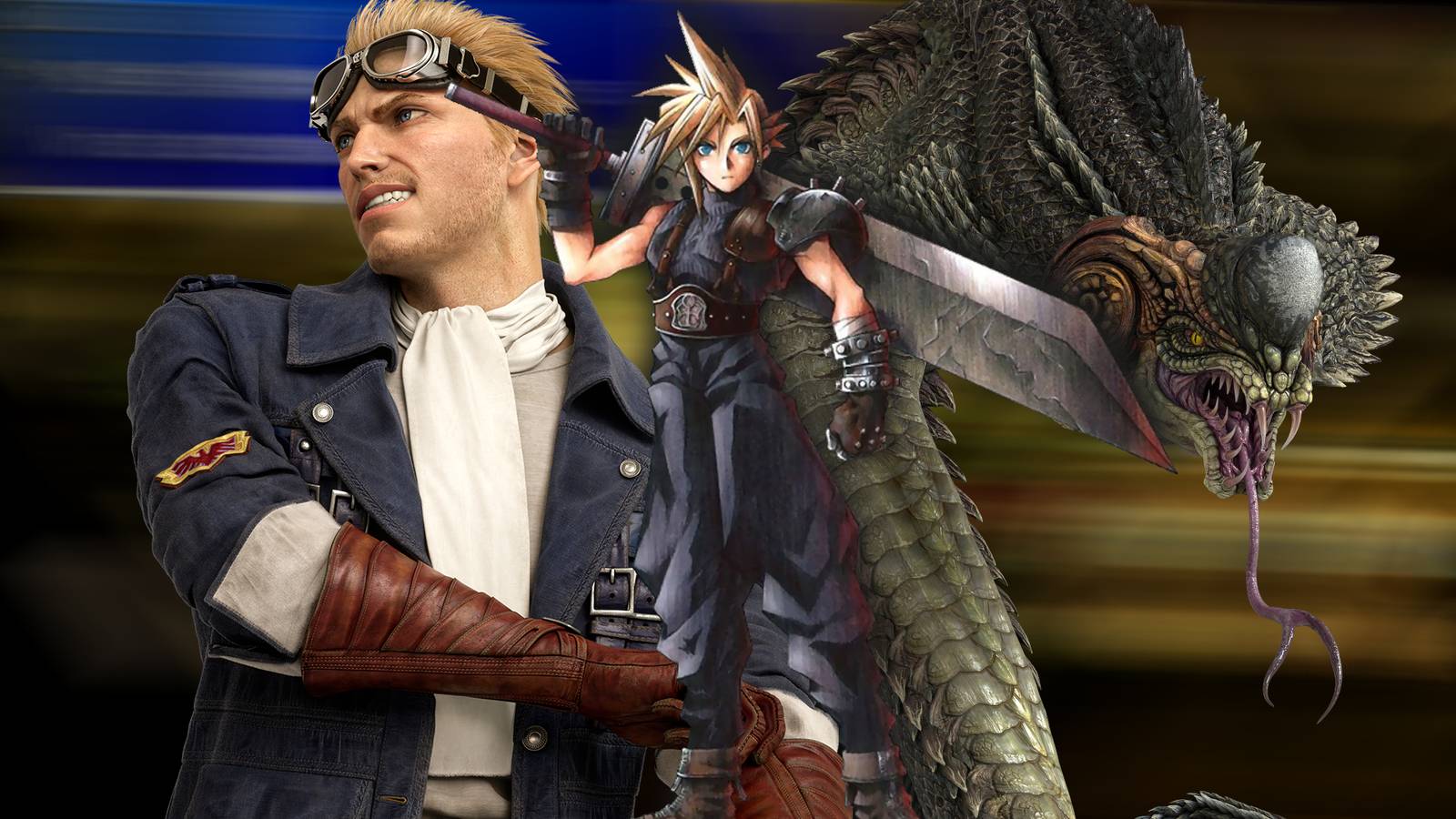
- Game: Final Fantasy VII
- Developer: Square Enix
- Metacritic Score: 87
- Platforms: PC, PlayStation 5, PlayStation 4
For players curious about whether Final Fantasy VII Rebirth and the broader series warrant a return to the 1997 classic, the consensus among long-time fans and critics is that the original experience remains a vital baseline. As we continue our coverage here at In Game News, we have examined why experiencing the original Final Fantasy is still considered a necessary step for those currently engaged with the Square Enix modern trilogy. While the Remake project is often associated with the expansive world of Final Fantasy XIV in terms of its massive scale, the core narrative roots of Cloud Strife’s journey are firmly planted in the PlayStation-era title.
Understanding the Narrative Divergence
A common point of confusion for new players is the assumption that the modern trilogy is a one-to-one recreation of the 1997 release. In reality, the differences between original Final Fantasy 7 and Remake trilogy are profound. While the modern titles expand on specific story beats and character interactions, they also pivot toward a meta-narrative involving the concept of fate. This shift means that the original Final Fantasy 7 serves as a distinct entity rather than a superseded version. By playing the original, fans gain a clearer perspective on the intentional deviations made by the developers, allowing for a more nuanced appreciation of the creative choices in Rebirth.
Many players find that the emotional weight of specific Moments From the series is altered by the knowledge of the source material. When a scene is changed or expanded, the impact is felt most by those who recall the original sequence. This creates a layered experience where the player is constantly comparing the two versions, which often enhances the engagement with Cloud’s internal struggle.
The Evolution of Cloud’s Mental State
One of the most discussed elements in our Final Fantasy news updates is the portrayal of Cloud Strife’s mental health. In the modern Remake trilogy, developers utilize visual cues such as screen glitching and static effects to represent his psychological instability. This visual language is consistent with the presentation seen in the film Advent Children. However, the original game approached these moments with a different, arguably more ominous, aesthetic.
In the 1997 title, these episodes were marked by sudden shifts in screen color, total silence, and a distinct, piercing ringing sound. The player experiences a jarring transition where the world stops, and only Cloud remains in motion, shaking his head. This specific presentation creates an unsettling atmosphere that remains effective even by 2026 standards. Understanding how this was handled initially provides context for why the modern games chose to modernize these sequences, highlighting the evolution of storytelling in the franchise.
Comparing the Experiences
To better understand the distinction between the two versions, consider the following breakdown of how specific elements are handled across the franchise:
| Feature | Original Final Fantasy 7 | Remake Trilogy |
|---|---|---|
| Mental Episodes | Static, color shifts, ringing audio | Glitching, screen effects, visual distortion |
| Narrative Focus | Linear progression of fate | Defying fate and meta-commentary |
| Character Depth | Text-based, imaginative interpretation | Fully voiced, cinematic performance |
The Significance of Returning to Nibelheim
Nibelheim serves as a cornerstone for the entire Compilation of Final Fantasy VII. Its inclusion in Final Fantasy VII Rebirth marks a significant return to a location that defines the trauma and history of the protagonist. Because the location is visited across multiple entries in the franchise, the context of the player's prior knowledge is essential. When players return to Nibelheim in the modern era, the weight of the past is only fully realized if they have witnessed the original sequence of events. The shocking moments in original Final Fantasy 7 vs Remake regarding this location demonstrate how the developers rely on player familiarity to deliver emotional payoffs.
For those questioning is playing original Final Fantasy 7 worth it in 2026, the answer often lies in these specific locations. The ability to compare the 1997 environmental design with the modern, high-fidelity environments of Rebirth offers a unique look at how game design has progressed over the last three decades. It is not merely about nostalgia; it is about understanding the structural foundation upon which the modern trilogy is built. You can find more RPG analysis on our site regarding how these design choices impact modern player retention.
The Importance of Prior Knowledge
As we have noted in our coverage, the Remake trilogy is designed in a way that respects the history of the original while simultaneously subverting it. Players who enter the trilogy without the context of the 1997 game may miss the significance of subtle nods and foreshadowing. The why play original Final Fantasy 7 before Remake trilogy debate is often settled by the fact that the modern games are essentially a conversation with the original. If you do not know what the original said, you cannot fully participate in the conversation the Remake is having.
Furthermore, the 1997 game provides a version of the story that is complete. While the modern games are impressive in their own right, they are part of a multi-part structure. The original provides a singular, cohesive narrative arc that allows players to see the full picture of the conflict between Cloud, Sephiroth, and the Shinra Electric Power Company. This is a primary reason why many industry professionals continue to recommend the original as a prerequisite for the full experience.
Frequently Asked Questions
Is playing original Final Fantasy 7 worth it in 2026?
Yes, playing the original title is considered essential for understanding the full narrative context and nuances of the Remake trilogy.
Does Final Fantasy 7 Remake change the original story?
The Remake trilogy introduces significant narrative changes, including themes of defying fate, which distinguish it from the 1997 original.
Why play original Final Fantasy 7 before Remake trilogy?
Playing the original game provides necessary context for character arcs and emotional beats that are expanded or altered in the modern Remake series.