
Microsoft OpenAI Dota 2 Partnership Details Revealed in 2026 Leak
- Game: Dota 2
- Developer: Valve Corporation
- Release Date: 2013-07-09
- Platforms: PC, macOS, Linux
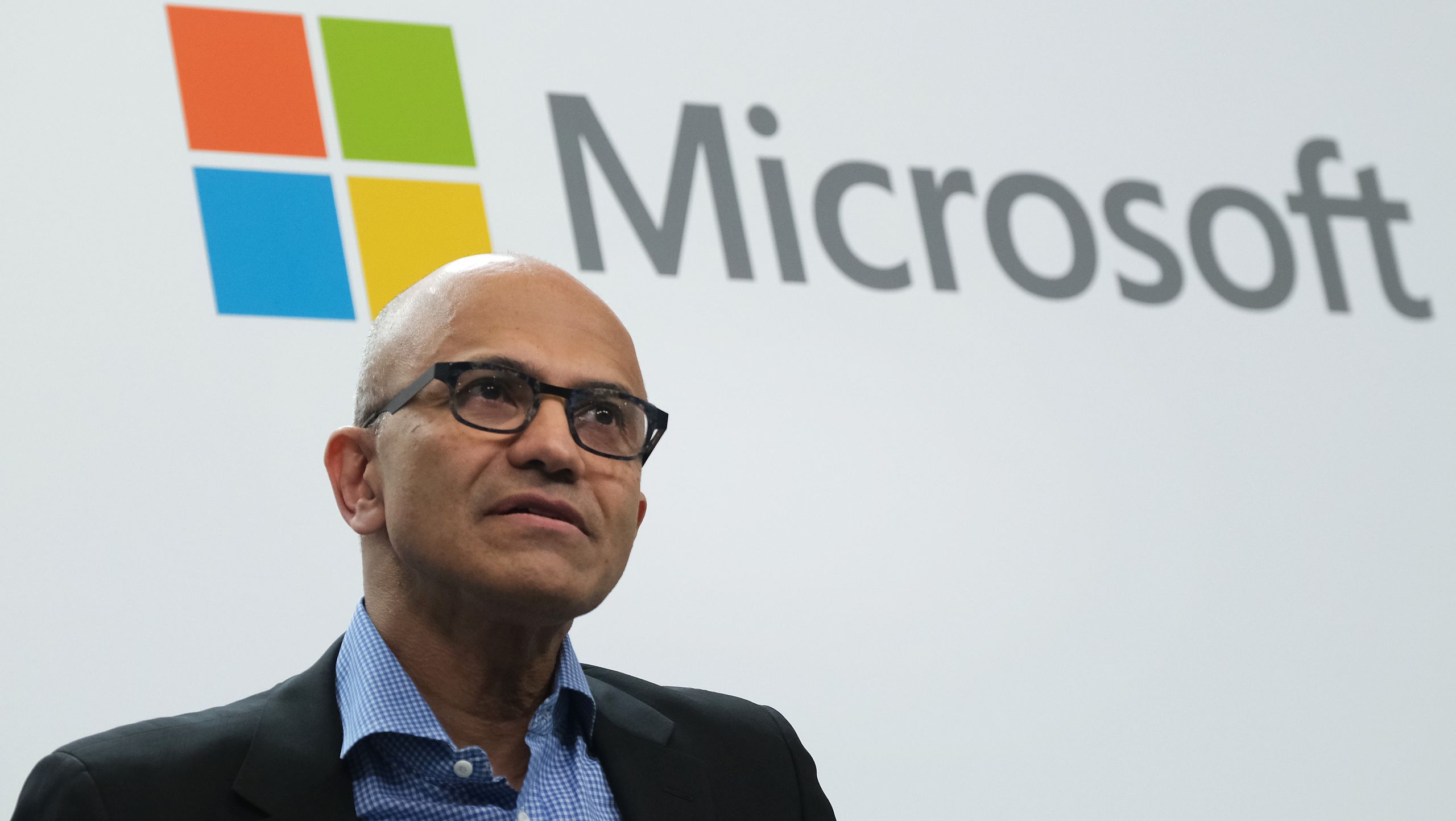
Recent documentation surfacing in 2026 has provided new Gaming News regarding the early development of artificial intelligence in Video Games, specifically concerning the Microsoft OpenAI Dota 2 collaboration details. The records, which emerged during legal proceedings between Elon Musk and Sam Altman, confirm that the project was made possible through a significant cloud computing subsidy provided by Microsoft. By offering OpenAI deep discounts on Azure infrastructure, Microsoft enabled the research team to train the AI models required to compete against professional human players in the complex MOBA title developed by Valve Corporation.
Understanding the Microsoft OpenAI Dota 2 Collaboration Details 2026
The financial relationship between the two entities was far more extensive than previously understood. Internal emails from 2017 show that after the successful demonstration of the AI bot, Sam Altman reached out to Microsoft CEO Satya Nadella to propose a partnership for the next phase of the project: five-versus-five team play. Altman noted that this evolution would require immense computational resources, estimating the cost at approximately $300 million based on standard Azure list prices. He acknowledged that while OpenAI could fund a portion of this, the scale of the operation necessitated a joint effort to achieve what he described as a major breakthrough in the history of artificial intelligence.
This request followed a period where OpenAI had already received substantial support. Records indicate that in 2016, a deal was struck where OpenAI paid $10 million for what was valued at $60 million in Azure services. This resulted in a significant financial deficit for Microsoft, which executives were acutely aware of as they tracked the rapid consumption of these credits by OpenAI’s research team.
How Did Microsoft Support OpenAI Dota 2 Project Infrastructure?
The mechanism behind this support was a steep discount on GPU hours. At the time of the agreement, the standard Azure list price was $1.15 per GPU hour, but OpenAI was billed at a rate of only $0.24 per hour. Microsoft executives, including Brett Tanzer, noted that the 2016 agreement was projected to result in a $15 million loss over a three-year period. However, due to the high-intensity nature of the AI training, OpenAI exhausted the allocated usage in half the expected time, forcing Microsoft to re-evaluate the sustainability of the partnership.
Internal Executive Concerns
The documentation reveals a degree of internal friction within Microsoft regarding the optics of the collaboration. Microsoft executive Jason Zander expressed concern that the company's public relations and marketing departments were hesitant to support the narrative of "machines beating humans." Despite these reservations, Zander argued that the potential for positive momentum for the Azure brand outweighed the marketing risks. He suggested that if the negative gross margin could be framed as a necessary marketing expense, the project should proceed, emphasizing that the association with high-profile figures like Sam Altman and Elon Musk was a strategic priority.
The Strategic Motivation Behind the Partnership
For those following our tech industry coverage, the motivation for Microsoft becomes clear. The company sought to leverage the visibility of the Dota 2 project to demonstrate the capability of its cloud infrastructure. By positioning Azure as the primary platform for cutting-edge AI research, Microsoft aimed to attract other high-compute clients. The "machines vs. humans" narrative, while controversial to some internal stakeholders, served as a powerful proof of concept for the scalability and power of the Azure platform.
The following table outlines the key financial discrepancies noted in the internal 2017 correspondence regarding the Azure usage:
| Metric | Details |
|---|---|
| Azure List Price | $1.15 per GPU hour |
| OpenAI Rate | $0.24 per GPU hour |
| 2016 Deal Value | $60 million in services for $10 million |
| Projected Loss | $15 million over 3 years (accelerated) |
Impact on the Gaming Community
Dota 2, which maintains a Metacritic score of 90, has long been a focal point for AI research due to its mechanical complexity and the requirement for long-term strategic planning. Players on PC, macOS, and Linux have observed how these research efforts have influenced the broader understanding of bot behavior in competitive titles. While the primary goal of the Microsoft and OpenAI partnership was to advance general AI research, the project remains a landmark moment for the integration of high-level machine learning within the gaming industry.
As the legal documents continue to be scrutinized, the extent of the corporate subsidization highlights the significant capital required to push the boundaries of AI in virtual environments. The transparency afforded by these 2026 disclosures provides a clearer picture of the intersection between cloud infrastructure providers and AI research labs during the formative years of the current AI boom.
Frequently Asked Questions
How did Microsoft support the OpenAI Dota 2 project?
Microsoft supported the OpenAI Dota 2 project by providing significant discounts on Azure cloud computing services, allowing OpenAI to access the massive compute power required for AI training.
Did Microsoft fund OpenAI Dota 2 research?
Yes, Microsoft provided substantial financial support by offering OpenAI a deep discount on Azure GPU hours, effectively subsidizing the compute costs for their AI research.
Why did Microsoft give OpenAI Azure discounts for Dota 2?
Microsoft executives provided these discounts to build momentum for the Azure platform, viewing the potential AI breakthroughs as a valuable marketing and strategic asset despite the financial loss on the compute services.
Attorney General Sues Valve: Lawsuit Details & Impact AnalysisCounter-Strike: Global Offensive
Steam Trivia: Test Your Knowledge of Valve's PlatformBreaking News
Insania: The Captain Defining Team Liquid's Dota 2 EraContent Remastered
Gabe Newell Plays Dota 2 & Gets Flamed: Valve's Co-Founder Daily