
Minecraft Linux Wayland Compositor Support Explained for 2026
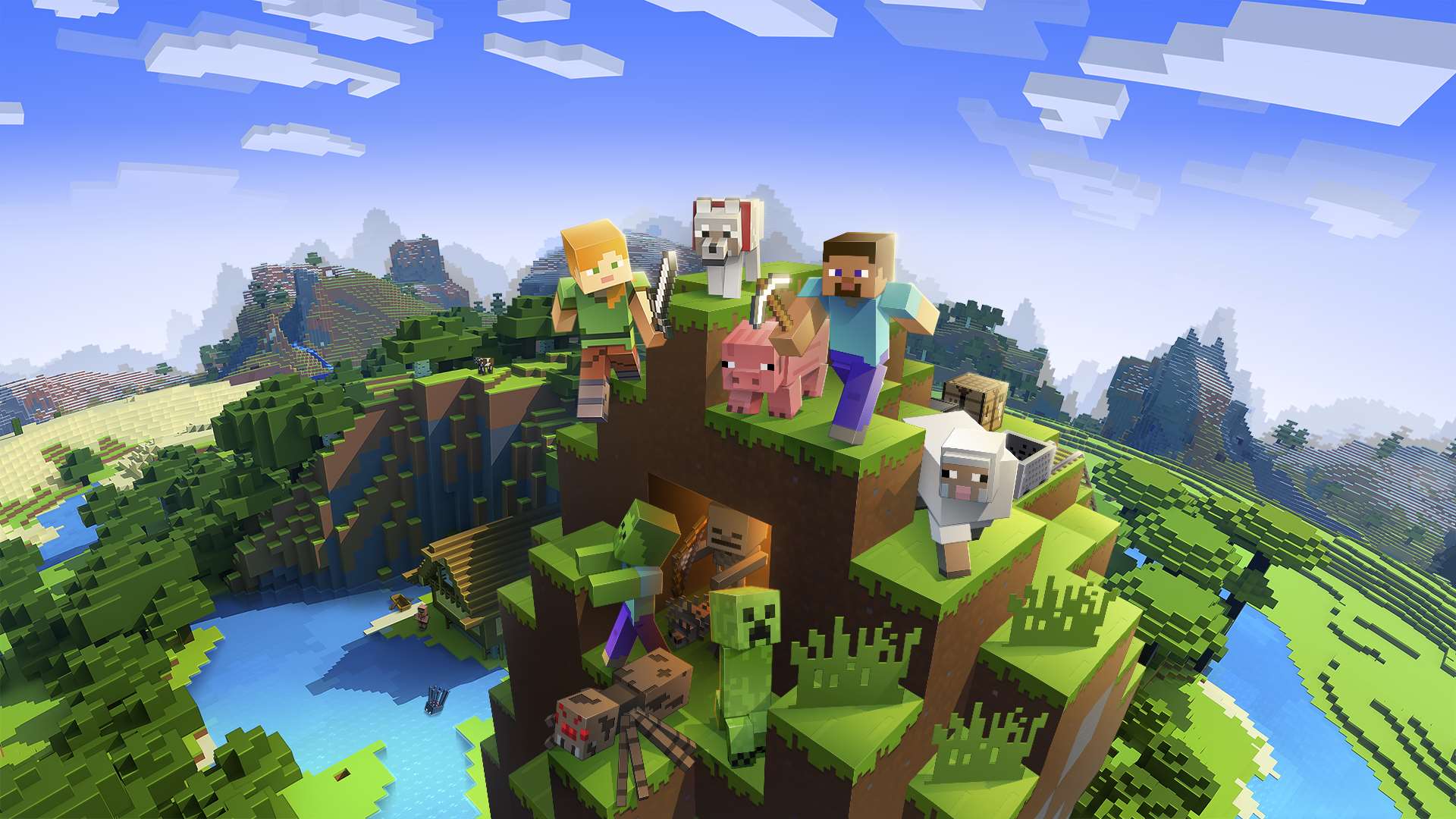
- Game: Minecraft
- Developer: Mojang Studios
- Platform: PC (Linux)
- Primary Feature: Wayland Compositor Integration
Minecraft, developed by Mojang Studios, has reached a new technical milestone in 2026 regarding its compatibility with the Wayland compositor on Linux platforms. This update marks a significant shift in how the game interacts with display protocols, moving away from legacy systems to provide a more modern interface for users running the title on Linux distributions. Our team at In Game News has monitored these developments to understand the technical requirements for players seeking to utilize this display architecture.
Understanding the Wayland Compositor Integration
The integration of the Wayland compositor within the Minecraft ecosystem on Linux represents a shift in how the application handles graphical output. Unlike the older X11 system, Wayland acts as a more efficient display server protocol. By utilizing this architecture, the game can achieve better synchronization between the frame buffer and the display output, which is essential for maintaining consistent performance during high-intensity gameplay sessions.
For players asking what the new Wayland compositor feature for Minecraft 2026 entails, it primarily involves native support for the protocol. This allows the game to function without the need for an XWayland translation layer in certain configurations. This reduction in overhead is a standard focus for developers aiming to improve the PC gaming experience on open-source operating systems.
Technical Details and Performance Implications
The Minecraft Linux Wayland compositor technical details suggest that the game is now better equipped to handle window management and input events. When a user interacts with the game, the Wayland compositor manages the input streams and output surfaces with lower latency compared to legacy protocols. This is particularly important for the Java Edition, which has historically relied on older libraries for windowing and input handling.
The following list outlines the primary benefits of this technical shift for the Linux player base:
- Improved input latency during character movement and combat.
- Better handling of multi-monitor setups and high-DPI displays.
- Reduced reliance on X11 compatibility layers, leading to a smaller memory footprint.
- Enhanced security by isolating the game window from other system processes.
Minecraft on Linux and the Future of Display Protocols
While the Bedrock Edition of Minecraft has seen various updates across platforms like Xbox One, PlayStation 4, and Nintendo Switch, the Linux community has often relied on the Java Edition. The move toward Wayland support ensures that the Linux version remains viable as desktop environments like GNOME and KDE Plasma phase out X11 support. This transition is essential for maintaining the game's status as a top-tier indie game title on PC.
Industry observers note that Mojang Studios has been gradually updating its backend to support modern graphics APIs. The inclusion of Wayland support is a logical step in this modernization process. By aligning the game's windowing system with the current standard for Linux, the developer ensures that the game remains accessible to users who prioritize open-source software and modern display technologies.
Comparing Display Protocols in Minecraft
To provide clarity on why this change is occurring, the following table compares the traditional X11 protocol with the modern Wayland compositor in the context of gaming performance.
| Feature | X11 Protocol | Wayland Compositor |
|---|---|---|
| Input Latency | Higher (Multiple hops) | Lower (Direct path) |
| Architecture | Legacy/Monolithic | Modern/Modular |
| Security | Shared access | Isolated surfaces |
| Scaling | Manual/Complex | Native/Automatic |
Implementation and User Experience
Players often ask how they can verify if their game is utilizing the Wayland compositor. In 2026, the process is largely automated for users running modern Linux distributions. When the game launches, it detects the display environment and initializes the appropriate client. For users who prefer manual control, environment variables can be set to force the game to communicate through the Wayland socket, provided the installed graphics drivers support the necessary extensions.
This development is part of a broader effort to refine the experience for the PC platform. While the game originally launched in 2009, its ability to adapt to new technologies like Wayland is a factor in its enduring popularity and its Metacritic score of 83. By keeping the technical foundation updated, Mojang Studios ensures that the game continues to run efficiently regardless of the underlying operating system's evolution.
Frequently Asked Questions
For those looking for quick answers regarding these updates, we have compiled the most common inquiries based on our ongoing coverage of the game's technical evolution.
How does a Wayland compositor work inside Minecraft on Linux?
The Wayland compositor functions as the display server protocol, managing how Minecraft windows are rendered and interacted with on the Linux desktop environment.
Can you run a Wayland compositor within Minecraft on Linux?
Users do not run the compositor inside the game itself; rather, the game is designed to communicate directly with the Wayland compositor running on the host Linux distribution.
Is Minecraft on Linux getting Wayland compositor support in 2026?
Yes, as of May 2026, development efforts have successfully enabled deeper integration between the game and the Wayland display protocol on Linux systems.