
Operation Rainfall: How Fans Secured the 2026 Legacy of Wii JRPGs
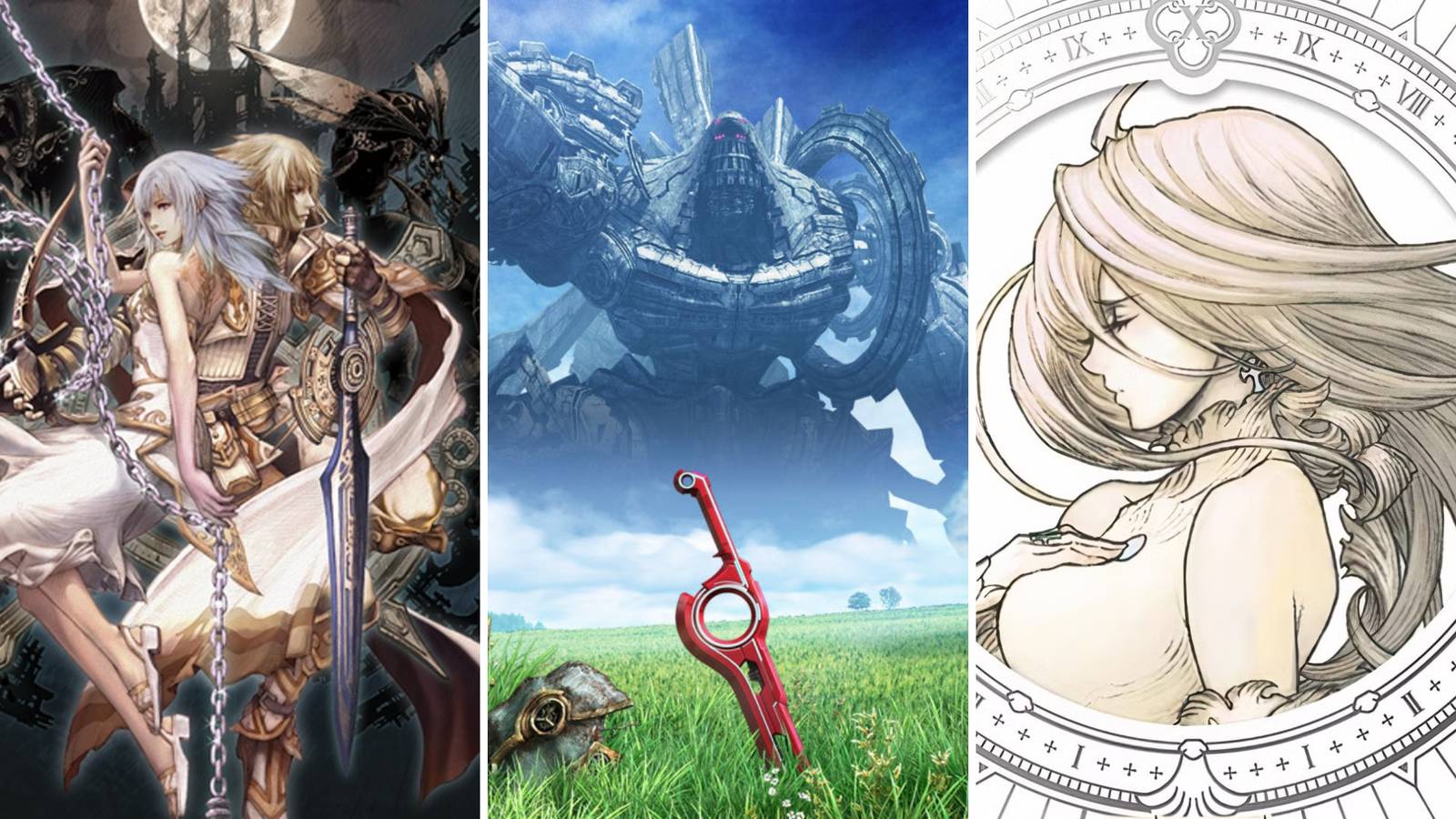
- Game: Xenoblade Chronicles
- Developer: Monolith Soft
- Release Date: 2010-06-10
- Platform: Nintendo Wii, Nintendo 3DS
The release date of major Japanese titles in Western territories has often been a point of contention, but the dedicated fan campaign brought about by Operation Rainfall remains a landmark moment in gaming history. By organizing a concerted effort to bring Xenoblade Chronicles, Pandora's Tower, and The Last Story to the West, fans fundamentally shifted how publishers viewed the demand for niche JRPGs. At In Game News, we have tracked the long-term impact of this movement, which successfully bridged the gap between Japanese development and global consumer interest during the final years of the Nintendo Wii era.
The Origins of Operation Rainfall
In the years leading up to the 2012 launch of the Wii U, Nintendo faced pressure regarding its software library for the aging Wii platform. Three specific titles—Xenoblade Chronicles, Pandora's Tower, and The Last Story—were confirmed for Japanese release but lacked a Western distribution plan. This prompted the formation of Operation Rainfall, a grassroots organization that utilized message boards and internet forums to demonstrate that a viable market existed outside of Japan.
The history of Xenoblade Chronicles fan localization efforts is defined by this transition from online obscurity to mainstream recognition. The campaign did not rely on simple petitions; it involved a coordinated effort to contact Nintendo executives and generate public awareness. This pressure eventually reached high-level figures, including then-Nintendo president Reggie Fils-Aime and industry veteran Soraya Saga, a writer known for her work on Xenogears. Their involvement proved that the campaign had successfully reached the decision-makers responsible for international publishing strategy.
Understanding the Three Pillars of the Campaign
The three games selected for the Operation Rainfall initiative represented distinct approaches to the JRPG genre. While they shared a common platform, their design philosophies were starkly different. Understanding why these titles were chosen requires looking at their individual development paths:
- Xenoblade Chronicles: Developed by Monolith Soft, this action RPG earned a Metacritic score of 89. It is recognized for its massive open-world design and complex combat systems.
- Pandora's Tower: This title offered a more niche, action-oriented experience that contrasted with traditional turn-based JRPG tropes, making it a unique target for localization.
- The Last Story: Directed by Hironobu Sakaguchi, this game focused on narrative depth and tactical combat, representing a high-profile project that many Western fans were eager to experience.
The Last Story localization history and fan impact serve as a case study for how developers and publishers interact with their communities. By the time these games were finally confirmed for Western release, the campaign had already established a blueprint for how fans could influence the business decisions of major gaming corporations. You can read more about these industry shifts in our JRPG industry trends coverage.
The Legacy of Fan-Driven Localization
The success of the Operation Rainfall campaign changed the internal calculus at Nintendo regarding the viability of Japanese-exclusive software. Prior to this movement, the decision to localize was often based on conservative sales projections. The campaign provided a clear, measurable metric of interest that forced a re-evaluation of the Western market's appetite for Japanese role-playing games.
It is important to note that the campaign faced significant hurdles. Developing a localization for a full-scale RPG is a resource-intensive process, requiring translation, voice acting, and testing. The fans involved in the movement were aware of these costs, yet they maintained that the quality of the games—particularly the critical acclaim surrounding Xenoblade Chronicles—justified the investment. This era of gaming, which we cover extensively in our retro gaming archives, highlights a period where the barrier between developers and players became increasingly porous.
Today, the influence of these efforts can be seen in how publishers handle global releases. The days of waiting years for a title to cross the Pacific are largely behind us, partly due to the precedent set by the fans who fought for these three Wii titles. The legacy of the campaign is not just in the games themselves, but in the acknowledgment that the global gaming audience is a unified, vocal, and powerful entity capable of shaping the software landscape.
Frequently Asked Questions
As we look back at the impact of Operation Rainfall on the gaming industry, several questions frequently arise regarding the campaign's specific goals and outcomes. Below are the answers to the most common queries regarding this historic fan movement.
What games were part of the Operation Rainfall campaign?
The three games central to the Operation Rainfall campaign were Xenoblade Chronicles, Pandora's Tower, and The Last Story.
How did Operation Rainfall influence JRPG localization?
Operation Rainfall demonstrated the significant demand for Japanese-exclusive titles in Western markets, eventually leading Nintendo to localize these three specific Wii RPGs.
Was Pandora's Tower released in the West due to fans?
Yes, the persistent efforts of the Operation Rainfall fan campaign were instrumental in convincing Nintendo to bring Pandora's Tower, along with Xenoblade Chronicles and The Last Story, to Western audiences.
Steam Hardware Survey 2026: Windows 10 Usage Remains High Despite Win...Analysis
Known Adventure Games From Famous Developers By Daniel Trock 2026Call of Duty
Call of Duty Is Finally Ditching PS4 and Xbox One Support in 2026PC Gaming
Steam Controller Sells Out Instantly As Scalpers Try To Flip Them For...