
Overwatch 2 Marks 10th Anniversary: Blizzard Reflects on Decade of Change
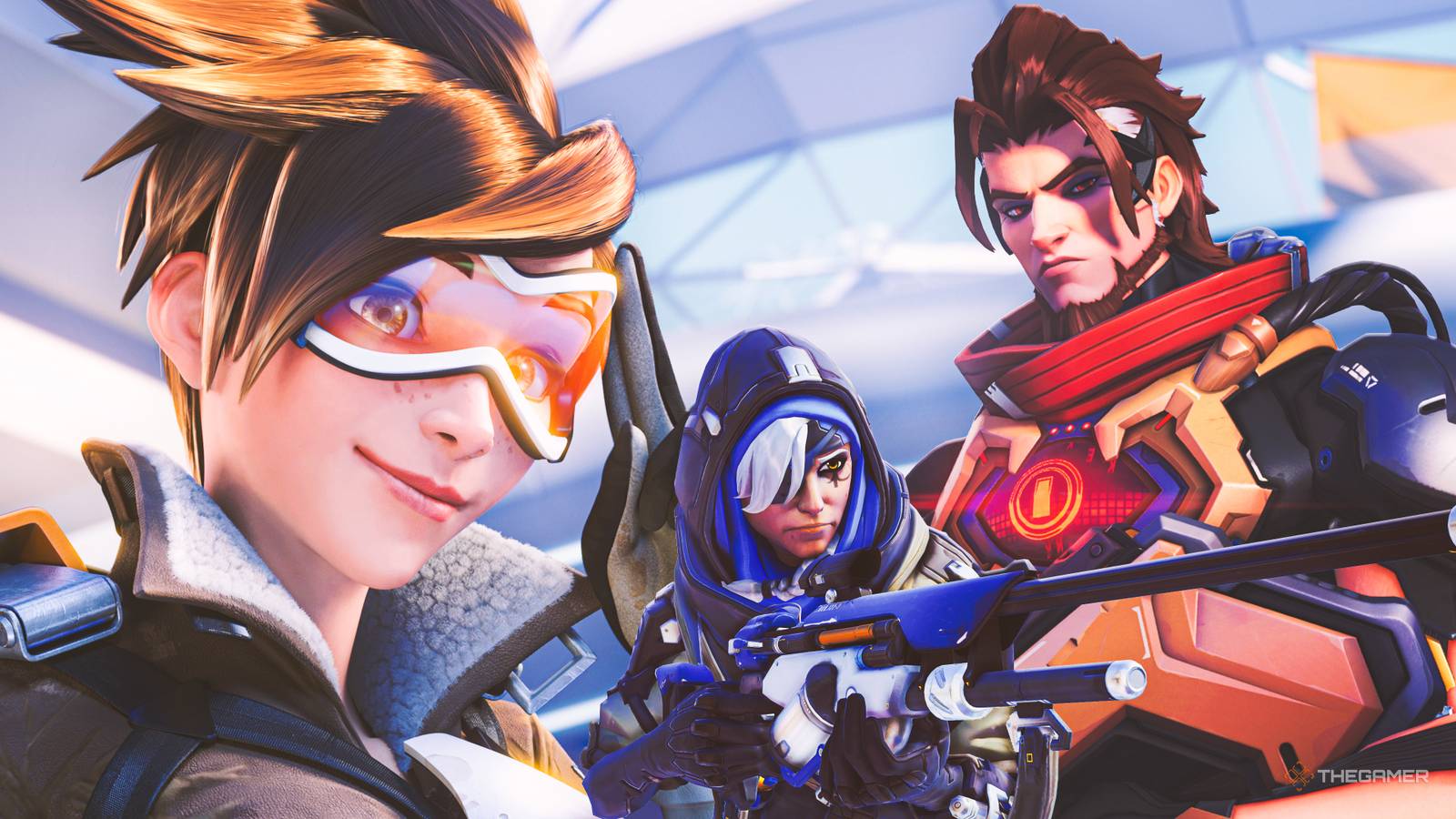
- Game: Overwatch
- Developer: Blizzard Entertainment
- Original Launch Date: 2016-05-24
- Metacritic Score: 91
Overwatch 2 continues to be a central focus for Blizzard Entertainment as the franchise marks its 10-year anniversary in 2026. As Overwatch celebrates its milestone, Blizzard wants the hero shooter to remain a staple of the industry, with leadership highlighting the lessons learned from a decade of navigating the complexities of live-service development. From the initial 2016 launch to the current iteration of the game, the project has undergone significant transformations that reflect the shifting demands of the gaming community.
The Evolution of a Live-Service Titan
When the original game arrived in 2016, it was positioned as a premium, boxed product. Developed by Blizzard Entertainment, the title earned a 91 on Metacritic and established a strong identity within the shooter genre. However, the industry quickly moved toward a model that favored constant updates and seasonal content. Reflecting on this transition, game director Aaron Keller noted that the team did not initially possess a full understanding of what supporting a long-term live-service shooter would entail.
The pressure to provide frequent hero releases, map updates, and consistent balance adjustments forced the development team to adapt rapidly. This period of growth was not without its challenges. The transition to the free-to-play model seen in the current version of the game was a direct response to the need for a more sustainable and accessible framework. For further updates on the state of the game, readers can check out our Overwatch news coverage.
Navigating Public and Internal Challenges
The path to the 10th anniversary has been marked by several notable hurdles. The company faced internal cultural crises, which were widely reported, alongside significant leadership turnover, including the departure of long-time director Jeff Kaplan. These events occurred against a backdrop of external pressures, such as the cancellation of the highly anticipated PvE (Player vs. Environment) mode. The team also dealt with community reception issues, including notable review bombings on platforms like Steam.
Despite these difficulties, the game has maintained a presence on multiple platforms, including PC, Xbox One, PlayStation 4, and Nintendo Switch. The ability to pivot during times of uncertainty has been a defining characteristic of the development team’s strategy. Walter Kong, SVP and head of development, joined Keller in discussing how these experiences have shaped their current approach to content delivery and community interaction.
Understanding the 2026 Development Philosophy
In our recent developer interview coverage, Keller emphasized that the team’s perspective on game design has shifted toward a more humble and receptive stance. Rather than dictating the direction of the game, the developers are now prioritizing the feedback loop between the studio and the player base. This philosophy is intended to ensure that the game remains relevant as it enters its second decade.
Key Milestones in the Decade of Overwatch
- 2016: Official launch as a premium, boxed title across PC and consoles.
- 2017-2020: Expansion of the hero roster and introduction of seasonal events.
- 2021-2022: Significant organizational changes and the transition to the free-to-play model.
- 2023-2025: Focus on content consistency and addressing community feedback regarding PvE ambitions.
- 2026: Celebration of the 10-year anniversary with a focus on future sustainability.
The focus on characters like Kiriko represents the shift toward a more modern, narrative-driven approach to hero design. By integrating lore more deeply into the gameplay experience, the team aims to keep the player base engaged with the world of the game beyond simple mechanical interactions. This strategy is part of a broader effort to maintain the game’s status as a top-tier title in the competitive space.
Future Outlook and Sustainability
As the team looks toward the future, the primary goal remains the stabilization and growth of the platform. The lessons regarding the intensity of live-service requirements have led to a more structured development pipeline. Blizzard is now more transparent about what can be delivered and the timelines required for new content, which serves to manage player expectations more effectively than in previous years.
The 10-year anniversary is not merely a celebration of the past but a statement of intent for the coming years. The development team is committed to refining the core gameplay loop that made the original title a success while ensuring the live-service elements remain rewarding for both new and veteran players. The focus on technical polish and community-driven balance changes will continue to guide the development efforts throughout 2026 and beyond.
Frequently Asked Questions
What is the future of Overwatch in 2026?
In 2026, Blizzard is focusing on the continued evolution of its live-service model, emphasizing player feedback and the lessons learned from a decade of development.
What did Aaron Keller say about the future of Overwatch?
Aaron Keller stated that the team now has a better understanding of what is required to support a live-service shooter compared to the game's initial 2016 launch.
How has Overwatch changed since its 2016 launch?
Overwatch has shifted from a boxed, premium product to a free-to-play live-service title, navigating significant leadership changes, PvE cancellations, and shifts in industry expectations.
Blizzard Addresses Overwatch 2 Tenth Anniversary Loot Box Feedback 2026Gaming News
Blizzard Adjusts Overwatch 10th Anniversary Rewards Following FeedbackMMO
Tracer Controversy Returns to Fortnite and Overwatch 2 in 2026Analysis
Overwatch Fortnite Collaboration Confirmed: 2026 Cosmetic Update Details