
Pokemon TCG Scalping Issues 2026: Japanese Retailers Fight Back
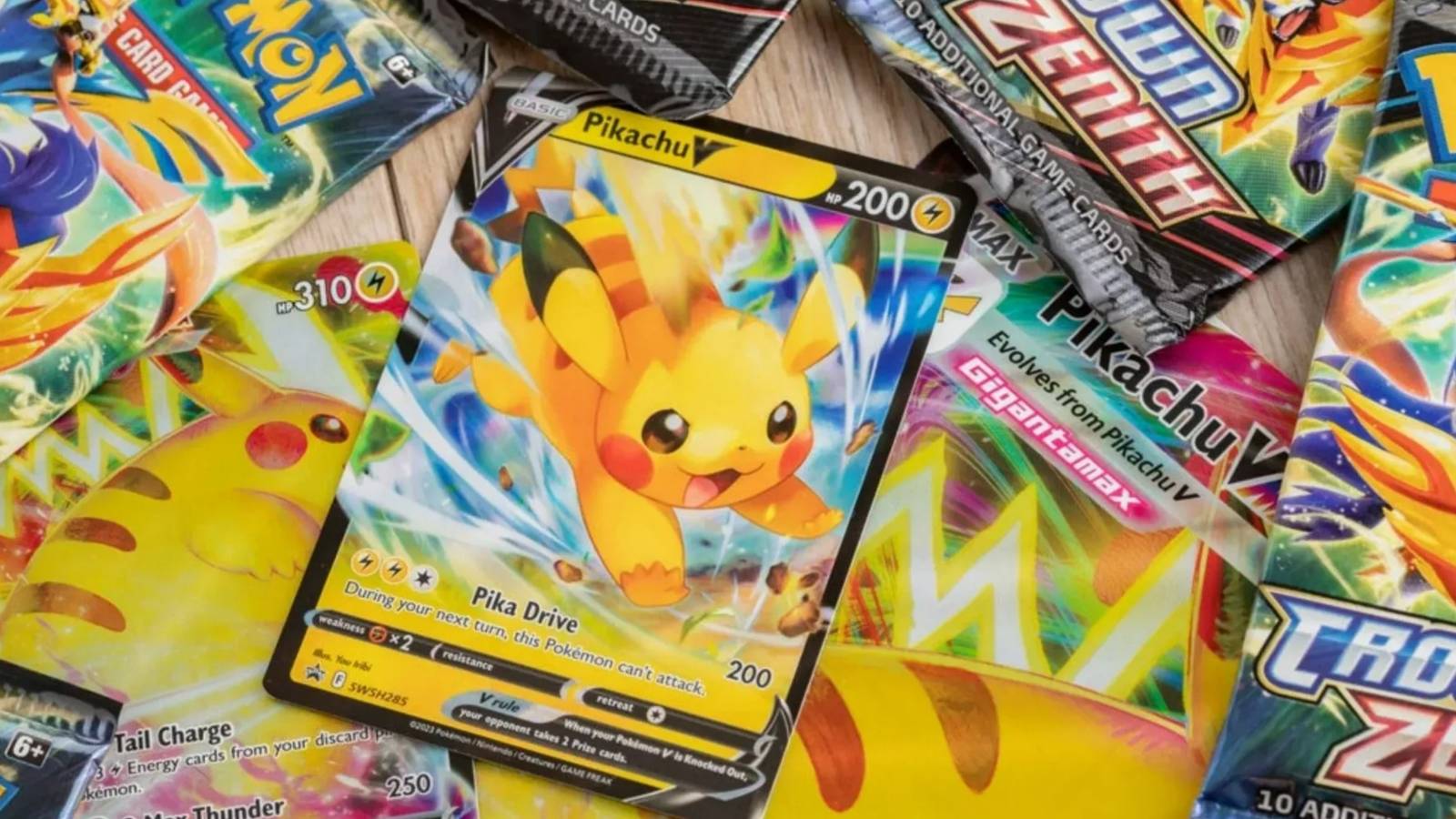
- Game: Pokémon Trading Card Game
- Developer: Creatures Inc.
- Primary Issue: Retailer anti-scalping measures
- Market Location: Japan
The persistent challenge of scalping within the Pokémon Trading Card Game ecosystem has reached a new level of intensity in 2026, mirroring the high-stakes market activity often observed around major releases like Final Fantasy VII Rebirth or the ongoing service updates for Final Fantasy XIV. While Square Enix manages the release date countdowns and distribution for its digital titles, the physical market for Pokémon cards faces a different set of hurdles. As collectors and players struggle to secure new sets, retailers in Japan have begun adopting aggressive, physical countermeasures to prevent scalpers from monopolizing inventory for resale profit.
Why are Pokemon card packs in Japan being damaged?
The primary motivation behind damaging product packaging is to eliminate the "sealed" premium that defines the secondary market. In the world of trading card games, a sealed booster pack carries significantly higher value than an opened one. By cutting the corners of these packs, retailers effectively destroy the collector value associated with the original factory seal. This makes the product far less attractive to individuals who operate by buying out inventory to flip it at inflated prices on secondary platforms.
This trend was highlighted in recent reports, including social media documentation by users such as ItasMeCooper, which show that the practice is becoming a standard operating procedure for some storefronts. By ensuring the item is no longer in "mint" condition, the incentive for professional scalpers to purchase the entire stock disappears. The cards contained within the packs remain functional for gameplay, ensuring that genuine players can still acquire the items they need for their decks, while the resale market is neutralized.
How are Japanese retailers stopping Pokemon card scalpers?
The damage to packaging is only the latest in a series of retailer countermeasures designed to protect the hobby. Throughout 2026, we have observed a shift in how stores manage the distribution of high-demand sets. The following list details the various strategies currently being utilized by Japanese retailers to combat the Pokemon trading card game scalping issues 2026:
- Intentional Packaging Damage: Cutting corners of booster packs or breaking the seals on Elite Trainer Boxes to render them "uncollectible" for high-end resale.
- Knowledge-Based Verification: Requiring customers to pass a specialized Pokémon quiz before they are permitted to purchase a booster box or set.
- Early Access Lists: Implementing strict registration systems via official Pokémon Centers to prioritize long-term fans over anonymous bulk buyers.
- Purchase Limits: Enforcing strict quantity caps per customer to prevent single individuals from clearing shelves.
The Effectiveness of Physical Deterrence
While these methods are effective at discouraging casual or profit-driven scalpers, they are not a universal solution. The demand for specific, rare cards remains high, and as long as there is a disparity between supply and demand, some will continue to seek out product regardless of the packaging condition. However, by removing the ability to sell these items as "new" or "sealed," retailers are successfully shifting the market away from those who prioritize financial gain over the actual game.
Latest news on Pokemon card scalping in Japan 2026
The situation in Japan is reflective of a broader global issue where physical goods are frequently targeted by automated bots or organized groups. In our coverage at In Game News, we have noted that this is not merely a localized phenomenon. While the specific tactic of damaging packaging has been most visible in Japan, the underlying pressure on retailers to innovate is a common theme across the industry. The recent arrests of two prolific scalpers in Japan following a three-month fraud spree serve as a reminder that authorities are also taking notice of the illegal activities surrounding the trade.
These legal interventions, combined with the grassroots efforts of shop owners, indicate a multi-pronged approach to the problem. It is worth noting that for the average player, these measures do not hinder their ability to play the game. The cards themselves are not damaged by the corner-cutting; only the exterior aesthetic value is impacted. For those who play the game, this is a minor inconvenience compared to the alternative of being unable to purchase any product at all due to stock depletion.
What measures are being taken against Pokemon card scalpers?
Retailers are increasingly moving toward verification-based sales. The use of quizzes, as seen in various Japanese hobby stores, ensures that the customer has at least a baseline interest in the franchise. This creates a barrier to entry for scalpers who are often unfamiliar with the product they are attempting to flip. Furthermore, the transition to early access lists for official Pokémon Center releases suggests that the Pokémon Company is taking a more active role in managing the distribution of their goods.
These trends are likely to continue as long as the secondary market remains volatile. Retailers are finding that they must be proactive to keep their shelves stocked for their regular community members. While there is no perfect solution, the combination of digital registration, physical verification, and the intentional reduction of resale value is currently the most robust defense against the exploitation of the Pokémon TCG market.
Frequently Asked Questions
Why are Pokemon card packs in Japan being damaged by retailers?
Retailers are intentionally cutting the corners of booster packs to reduce their resale value, thereby discouraging scalpers from purchasing them for profit.
How are Japanese retailers stopping Pokemon card scalpers?
Beyond damaging packaging, stores have implemented measures like mandatory Pokemon quizzes and early access lists to ensure genuine fans receive product.
What is the latest news on Pokemon card scalping in Japan 2026?
Recent reports indicate that retailers are now damaging the seals of Elite Trainer Boxes and booster packs to make them less attractive for the secondary market.