
PS3 JRPGs You Should Avoid in 2026: A Critical Retrospective
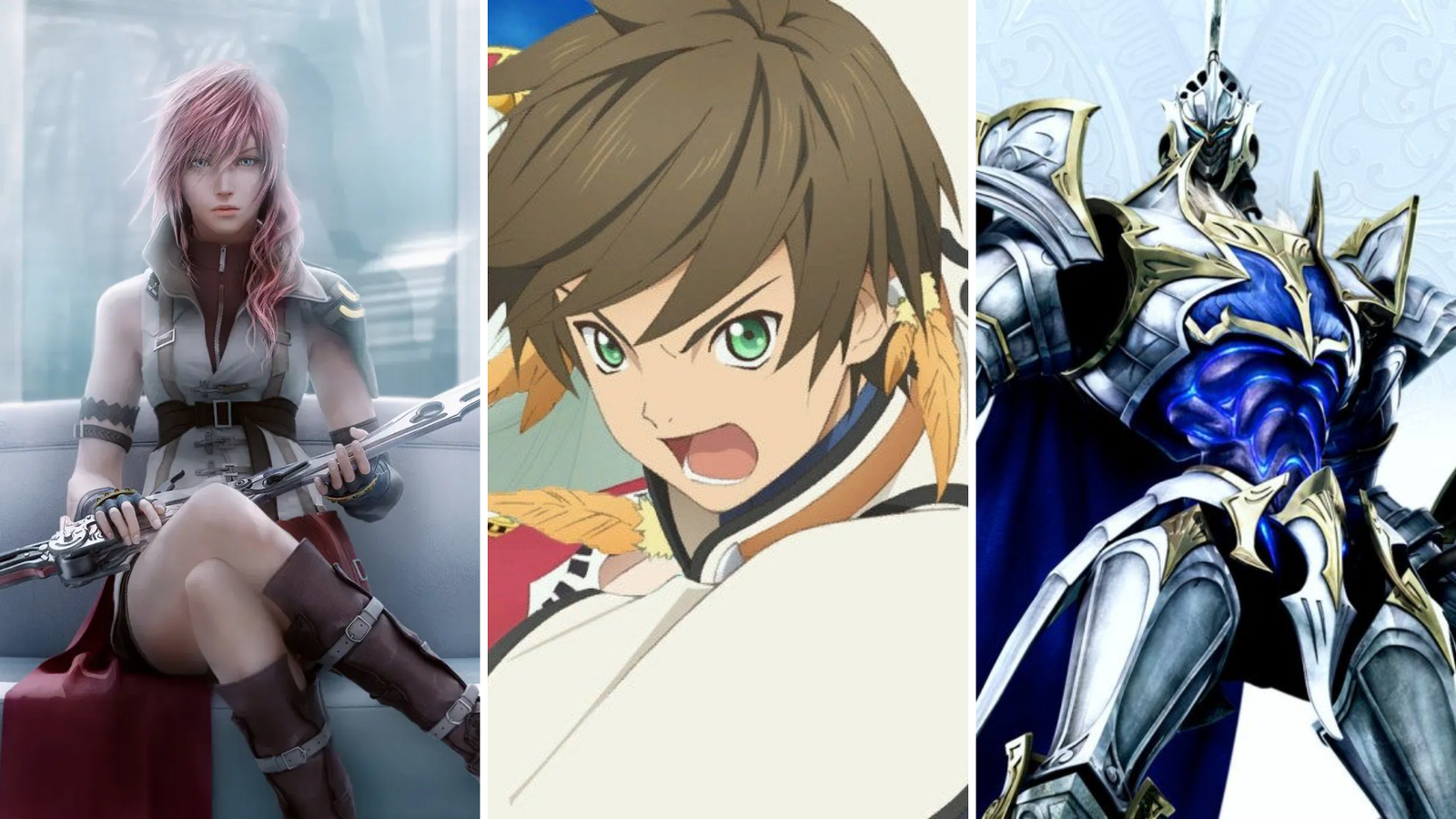
When considering Gs You Should Avoid in 2026, the PlayStation 3 library presents a complex case for enthusiasts of the genre. By Adam Braunstein Published on May 17, 2026, this report from Adam Braunstein, Staff Writer at In Game News, examines the historical shift in design philosophy during the seventh console generation. The transition from the PlayStation 2 to the PlayStation 3 marked a period where the traditional JRPG struggled to maintain its identity, often trading unique artistic direction for static 3D environments and inconsistent character models that failed to capture the charm of their predecessors.
- Primary Topic: Worst PS3 JRPGs to avoid in 2026
- Platform: PlayStation 3
- Key Critic: Adam Braunstein
- Publication: In Game News
The Decline of the JRPG Identity on PlayStation 3
The era of the PlayStation 3 was not a period where the JRPG thrived in the same manner as the PlayStation 1 or PlayStation 2 generations. The distinct visual flair that defined earlier titles was frequently replaced by a persistent, uninspired 3D aesthetic. Characters were often reduced to poorly executed anime-style models that lacked the depth and charm required for emotional resonance. As we explore why were PS3 JRPGs considered disappointing, it becomes clear that many developers were caught in a cycle of attempting to chase industry trends rather than refining the core mechanics that made the genre a success in the first place.
For those questioning are PS3 JRPGs worth playing in 2026, our coverage suggests a cautious approach. While a few titles managed to maintain a level of quality, a significant portion of the library feels either overdone or undercooked. Developers appeared to lose faith in their original creative visions, resulting in products that felt disconnected from the soul of the genre. We are highlighting specific titles that are best left in the past to help players navigate the worst PS3 JRPGs to avoid in 2026.
White Knight Chronicles: A Generic Experience
One of the primary titles often cited when discussing which PS3 JRPGs should players avoid is White Knight Chronicles. Developed by Level-5 and Japan Studio, and published by Sony Computer Entertainment, this title was released on December 25, 2008. While it features a real-time with pause combat system, the game suffers from a lack of original ideas.
White Knight Chronicles utilizes a structure that feels like a collection of standard genre tropes: a kingdom under siege, powerful transformations, and a standard fantasy narrative. Despite these elements, the game fails to provide a unique identity. The environments are consistently bland, and the character development remains generic throughout the 25-hour experience. For players seeking a meaningful narrative or innovative mechanics, the endless grind and lack of artistic direction make this title a significant slog that is difficult to recommend in 2026.
Time and Eternity: Aesthetic Missteps
Another title frequently identified among the most overrated PS3 JRPGs is Time and Eternity, developed by Imageepoch and published by Bandai Namco Studios on October 11, 2012. While the game attempted to utilize a distinct art style, the execution resulted in a visual experience that many found jarring rather than innovative. The transition to high-definition 3D hardware during this period often led to these types of aesthetic failures, where the ambition of the developer outpaced the technical limitations or the artistic cohesion of the project.
The Impact of Industry Trends
The pressure to evolve and modernize during the PlayStation 3 lifecycle forced many studios into a corner. By attempting to match the visual fidelity of Western action-adventure titles, many Japanese developers abandoned the stylized, hand-drawn, or distinct 2D aesthetics that had served the genre for years. This shift resulted in the "static 3D blah" that continues to plague the reputation of the platform's RPG library today. Players interested in the evolution of the industry can view our RPGs news coverage for further context on how these trends impacted subsequent console generations.
Navigating the Legacy of the Seventh Generation
When curating a collection or deciding which titles to revisit, it is important to distinguish between games that have aged gracefully and those that represent the growing pains of the industry. The titles mentioned in this report serve as examples of projects that failed to find their footing. Whether it is the repetitive grind of White Knight Chronicles or the aesthetic inconsistency of Time and Eternity, these games illustrate the challenges of a transitionary period in gaming history. For more insights into the broader state of the industry, readers can follow our gaming industry analysis.
Frequently Asked Questions
Which PS3 JRPGs should players avoid in 2026?
Players should avoid White Knight Chronicles and Time and Eternity due to their repetitive gameplay loops, generic storytelling, and lack of innovation compared to earlier genre classics.
Are PS3 JRPGs worth playing in 2026?
While some titles remain solid, many PS3 JRPGs suffer from dated 3D aesthetics and a loss of the unique artistic identity found in PS1 and PS2 era games, making them inconsistent in quality.
Why were PS3 JRPGs considered disappointing by many critics?
Many PS3 JRPGs were considered disappointing because developers prioritized evolving toward modern trends, which often resulted in a loss of the genre's original soul, static environments, and uninspired character designs.