
Remember What Some Big Video Game Websites Looked Like In The 90s
- Subject: History of gaming web design
- Era: 1990s and early 2000s
- Key Companies Mentioned: Nintendo, Electronic Arts, Ubisoft, Epic Games
- Key Characteristic: Simple layouts and visitor counters
It is worth taking a moment to remember what some big, video game websites looked like in the 1990s, as the digital presence of major industry players has shifted dramatically over the decades. Recent social media discussions have highlighted the stark contrast between the current, massive corporate-owned portals and the primitive, often personal-blog-style pages that existed during the early days of the internet. At In Game News, we are examining how these early digital footprints shaped the history of early gaming websites 1990s.
The Aesthetic of Early Internet Gaming
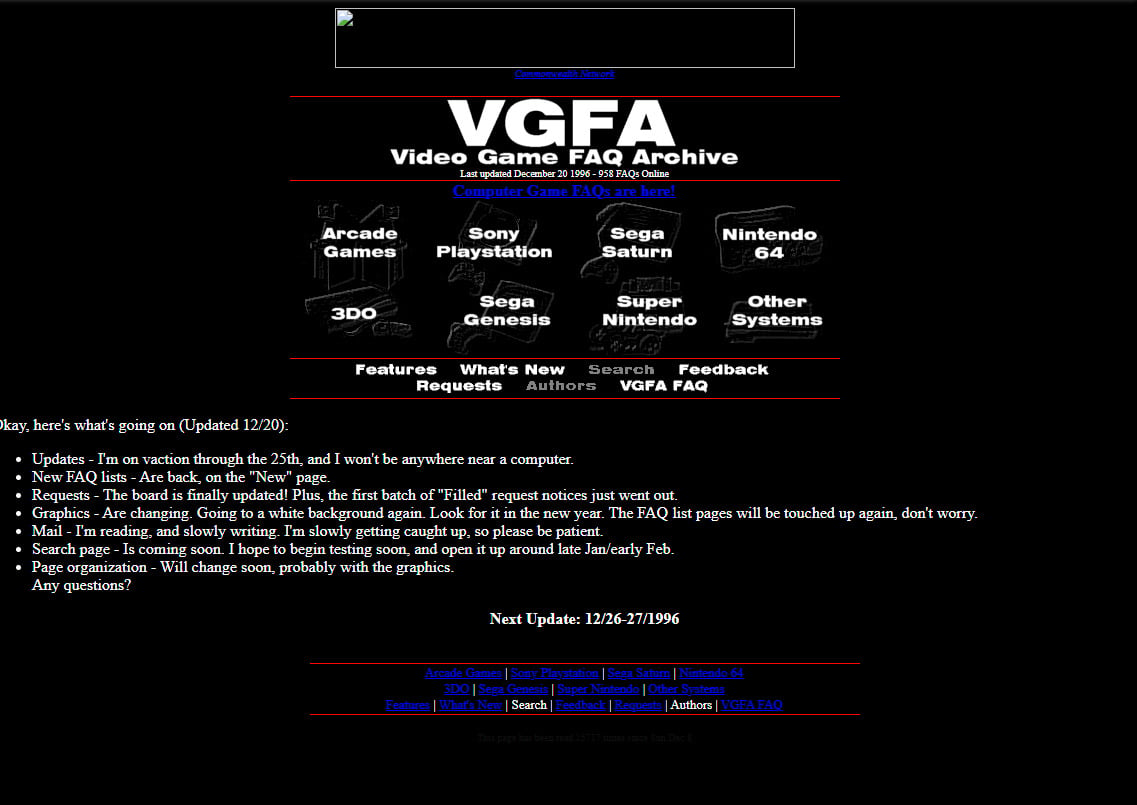
When analyzing what did video game websites look like in the 90s, the most immediate observation is the lack of modern corporate polish. The web of the 1990s was defined by simplicity, featuring basic HTML structures, unconventional typography, and the now-nostalgic visitor counters that tracked page traffic. These early sites often lacked the high-resolution imagery and complex navigation menus that define modern gaming news hubs and developer portals.
The transition from personal-style blogging to the massive digital infrastructures we see today is a significant part of the evolution of the web. Many companies that now dominate the industry started with landing pages that were far more modest than the current iterations. By looking back, we gain perspective on how the industry matured alongside the internet itself.
Evolution of Nintendo and Electronic Arts Web Design
The evolution of Nintendo and Electronic Arts web design serves as a prime example of how major publishers adapted to the digital age. In the 90s, these companies were navigating an uncharted frontier. Their early web presence was often experimental, functioning more as a digital brochure than a comprehensive service platform. Unlike the modern, interactive hubs that allow users to purchase software, check account statuses, or view live service updates, these early pages were static.
For players curious about how did major gaming companies design websites in the 90s, the answer lies in the limitations of the technology of the time. Bandwidth constraints forced developers to prioritize text and small, low-color images. This resulted in a unique aesthetic that prioritized information density over visual flair. As we continue our coverage of industry history, it is clear that these early design choices laid the groundwork for the user experience standards we maintain today.
Comparing Early Digital Footprints
To understand the scope of this transformation, we can look at several key features that were common across the industry during this period. The following list outlines the primary characteristics of websites from that era:
- Visitor Counters: A staple of 90s web design, these counters displayed the exact number of people who had visited a page.
- Goofy Typography: Use of non-standard, often pixelated fonts that were common before web-safe font standards were established.
- Static Layouts: Pages were rarely responsive, designed for specific screen resolutions rather than the multi-platform experience required today.
- Personalized Content: Many early corporate pages included sections that felt more like personal diaries or community blogs than official marketing material.
This shift is not limited to gaming. As noted in recent reports, the early web was a place where companies like DoorDash, Hulu, and Slack existed in forms that would be unrecognizable to modern users. The gaming industry followed this pattern, moving from simple, hobbyist-style pages to the highly optimized, data-driven sites managed by firms like Ubisoft and Epic Games.
The Impact on Modern Gaming Portals
Understanding what were the first official video game websites like provides insight into the expectations of early internet users. These sites were often the only way for players to receive official updates, download patches, or see screenshots before a game launched. Because there were no social media platforms or dedicated streaming services, the official website was the primary point of contact for the community.
Today, the landscape has changed, but the core purpose—to inform the player—remains. In our ongoing industry news updates, we emphasize how these historical foundations influence current web development. While the tools have evolved from basic HTML to complex, secure frameworks, the goal of connecting the publisher to the player has remained a constant force in the gaming industry.
Frequently Asked Questions
What did video game websites look like in the 90s?
Gaming websites in the 1990s were characterized by simple layouts, basic HTML, goofy fonts, and the frequent inclusion of visitor counters.
How did major gaming companies design websites in the 90s?
Major gaming companies often used early web design to host simple pages that lacked the corporate complexity seen on modern sites, sometimes functioning as personal-style spaces.
What were the first official video game websites like?
The first official video game websites were often experimental, featuring limited graphical elements and text-heavy pages compared to today's media-rich portals.
Ananta Gameplay Reveals GTA-Inspired Mechanics for 2026 ReleaseAction
Windrose SSD Damage Fix: Latest 2026 Patch Details and UpdatesBetas & Playtests
Unity Engine Launches Unity AI Open Beta for Faster Game DevelopmentHandheld Gaming
Virgil van Dijk Prefers PS Vita Over Steam Deck OLED and Switch 2 in ...