


Resident Evil 9 and the Evolution of the Scariest Stalker Enemies in 2026
- Game Franchise: Resident Evil
- Developer/Publisher: Capcom
- Primary Focus: Stalker Enemy Mechanics
- Legacy Title: Resident Evil (2002)
As fans look toward the future of the franchise with the upcoming release of Resident Evil 9, the legacy of Capcom remains defined by its ability to instill dread through persistent threats. Whether players are controlling Leon Kennedy or other series protagonists, the presence of an unkillable pursuer has become a hallmark of the survival horror experience. Our team at In Game News has been reviewing the history of these mechanics to understand how they shape the horror gaming genre as we enter 2026.
The Evolution of Stalker Mechanics
The concept of a stalker enemy—a foe that tracks the player across multiple rooms and zones—has evolved significantly since the early days of the series. While the original Resident Evil (2002), which holds an 88 Metacritic score, established the tone for the franchise, later entries refined the artificial intelligence required to make these enemies feel truly oppressive. These entities do not merely wait for the player to enter a trigger zone; they actively patrol, listen for gunfire, and react to the player's movement patterns.
In 2026, the industry continues to look back at the top 7 scariest stalker encounters in Resident Evil history to determine what makes a boss fight memorable. These encounters are defined by the loss of agency. When a player realizes they cannot simply defeat a threat with their current loadout, the resulting shift in gameplay from action-oriented combat to stealth and resource management creates the high-tension scenarios that Capcom is famous for producing.
Analyzing the Scariest Stalker Enemies in Resident Evil Ranked 2026
When evaluating the scariest stalker enemies in Resident Evil ranked 2026, we must consider the psychological impact of their design. These enemies are rarely just physical threats; they represent a constant interruption of the player's goal. By forcing the player to prioritize evasion over exploration, these stalkers turn the game's environment against the user.
The Role of Nemesis and Mr. X
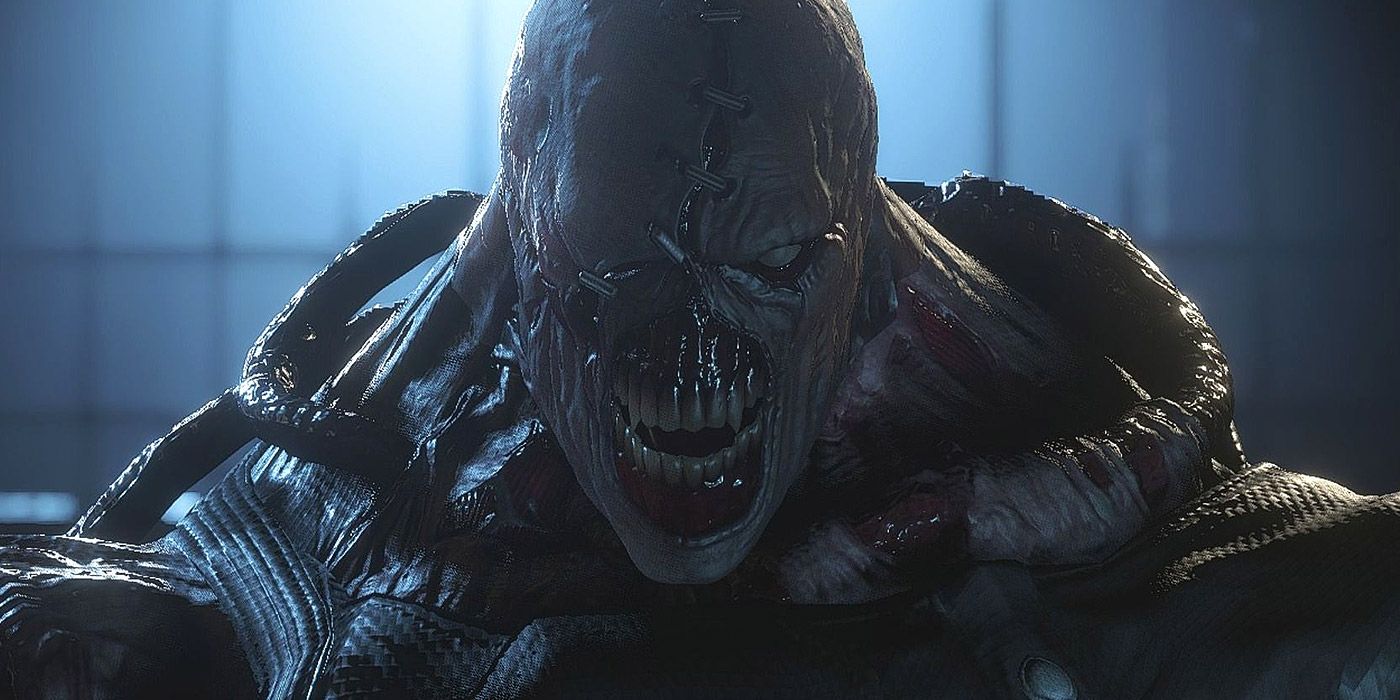
Nemesis and Mr. X remain the gold standard for this design philosophy. Their ability to bypass traditional safe zones and follow the player through doors creates a sense of vulnerability that few other mechanics can replicate. For players who have navigated the halls of the Raccoon City Police Department, the sound of heavy footsteps is often more terrifying than any jump scare. This pressure is a core element of the survival horror experience that Capcom consistently iterates upon.
Comparative Analysis of Stalker Encounters
| Enemy | Primary Threat | Evasion Strategy |
|---|---|---|
| Nemesis | High speed, weapon usage | Environmental traps, distance |
| Mr. X | Relentless pursuit, durability | Audio cues, navigation |
| Lady Dimitrescu | Size, reach | Verticality, stealth |
Why Players Fear the Stalker Archetype
The effectiveness of these enemies lies in their unpredictability. Unlike standard enemies that have set spawn points and predictable attack loops, stalkers are designed to be dynamic. They require the player to constantly reassess their surroundings. When a player is forced to choose between wasting ammunition on a foe that will eventually return or fleeing into an unknown corridor, the game achieves its peak tension. This balance is what keeps the franchise relevant even decades after the release of the 2002 remake on platforms like the Nintendo GameCube, PlayStation 4, and PC.
As we analyze the Resident Evil franchise scariest stalker boss ranking, it becomes clear that the most effective designs are those that feel personal. When an enemy is specifically hunting the player, rather than simply guarding a location, the emotional investment in the outcome of the encounter increases. This is a vital component of the design strategy Capcom employs to ensure that even veteran players feel a sense of unease.
Impact on Future Titles
Looking ahead to Resident Evil 9, it is expected that the developer will continue to refine these systems. The feedback from previous titles suggests that players enjoy the challenge provided by these persistent threats, provided they are balanced with fair mechanics. The challenge for the development team is to innovate on the stalker formula without making the experience feel repetitive or frustrating. By analyzing the who are the most terrifying stalker enemies in Resident Evil data points, developers can identify the specific elements—such as sound design, pace, and visual cues—that resonate most with the community.
The legacy of the 2002 title, which remains a benchmark for the genre on platforms including the Xbox One and PlayStation 3, serves as a foundation for how these games handle tension. As we await further news on future installments, the focus remains on how these mechanics will be adapted for modern hardware. The ability to render more complex AI and more detailed environments allows for even more sophisticated stalker encounters in the coming years.
Frequently Asked Questions
Which Resident Evil stalker enemy is the hardest to escape?
Nemesis is widely considered the hardest to escape due to his ability to use weapons, sprint, and navigate through various environments to hunt the player.
Who are the most terrifying stalker enemies in Resident Evil?
The most terrifying stalker enemies in the Resident Evil franchise include iconic figures like Mr. X, Nemesis, and Lady Dimitrescu, all known for their relentless pursuit of the player.
What makes a stalker enemy effective in the Resident Evil series?
A stalker enemy is effective when it creates constant pressure, limits the player's ability to save or hide, and forces them to adapt their survival strategies under extreme duress.