
Shigeru Miyamoto Explains Why The Super Mario Galaxy Movie Is So Fast-Paced
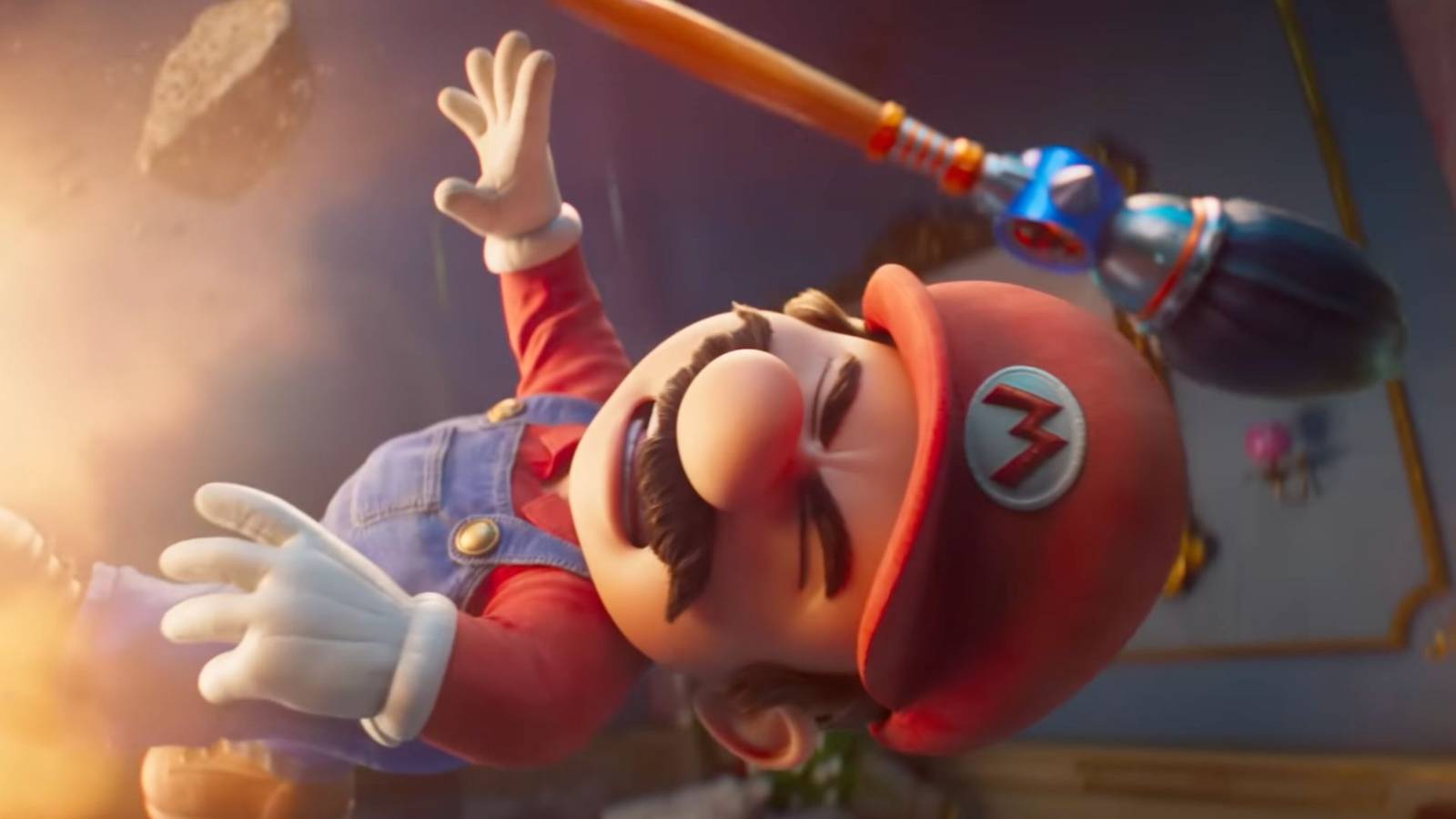
- Game: The Super Mario Galaxy Movie
- Developer/Studio: Illumination
- Key Spokesperson: Shigeru Miyamoto
- Primary Critique: Fast-paced narrative
Shigeru Miyamoto explains why the film is so fast-paced, addressing the primary criticism surrounding the 2026 release of The Super Mario Galaxy Movie, as reported by George Foster and published May 3, 2026. The film, produced by Illumination, has faced significant scrutiny for its rapid narrative progression and sensory-heavy presentation. While fans and critics alike have praised the visual fidelity of the animation, the overall reception has been hampered by a structure that many viewers find overwhelming during its 90-minute duration.
Shigeru Miyamoto Explains Why The Super Mario Galaxy Movie Is So Fast-Paced
In our coverage at In Game News, we have tracked the discourse surrounding the latest Nintendo adaptation. Shigeru Miyamoto, the legendary designer at Nintendo, recently addressed the creative decisions behind the film's speed. During an interview with Nintendo Dream, which surfaced following the film's release, Miyamoto clarified that the rapid succession of events was not a byproduct of poor editing, but rather a deliberate strategy implemented by the production team at Illumination.
Miyamoto noted that the studio's deep understanding of the source material allowed them to pack a high density of references and in-jokes into a relatively short timeframe. By utilizing a technique of creating "small, partial units" of story, the team aimed to eliminate unnecessary filler. This methodology aligns with Miyamoto’s own long-standing design philosophy of keeping content lean and purposeful. However, this approach has resulted in a viewing experience that many critics describe as jumping abruptly between scenes, contributing to the perception that the movie is overly fast-paced.
The Intent Behind The 90-Minute Run Time
A central pillar of the discussion regarding the film is the balance between appealing to a younger audience and maintaining the interest of parents who accompany them. Miyamoto acknowledged this challenge, noting that the team wanted to ensure the film did not drag. By opting for a 90-minute runtime, the creators intended for the movie to be a quick, energetic experience that would be over before children lost interest or began to move around the theater.
This design choice highlights a fundamental tension in modern film production: the struggle to satisfy two distinct demographics simultaneously. While some films successfully manage to pace their narratives to accommodate both age groups, the approach taken for this project prioritized brevity. Miyamoto’s comments suggest that the rapid tempo was a calculated risk intended to prevent audience fatigue, even if the resulting sensory experience has drawn criticism from those who prefer a more traditional, measured storytelling style.
Comparing Narrative Approaches
To better understand the industry context, it is helpful to look at how other titles have handled pacing. The following table outlines the differences in design philosophies often seen in media adaptations:
| Design Factor | Fast-Paced Approach | Measured Approach |
|---|---|---|
| Scene Transitions | Rapid, frequent shifts | Gradual, thematic shifts |
| Runtime | Under 100 minutes | 120+ minutes |
| Audience Focus | High energy for children | Balanced for all ages |
While the film's animation quality has been widely cited as a positive, the reliance on a high-speed narrative has clearly divided audiences. For more insights into the latest industry trends, you can read our related label on media adaptations. Additionally, for those interested in the history of Nintendo properties, our related label provides context on how older titles, such as 1994's Wario Land: Super Mario Land 3, established the foundation for the company's current multi-platform strategy.
Reception and Industry Impact
The feedback regarding the film's pacing has been a significant talking point in the gaming community. Although Miyamoto’s statements were provided prior to the widespread negative reception, they offer a clear window into the intent of the filmmakers. The disconnect between the creators' goals and the audience's reaction serves as a case study in how pacing can fundamentally alter the perception of a project. Despite the technical achievement of the animation, the film currently holds a low review score, largely driven by the complaints about its inability to let scenes breathe.
As the industry continues to adapt gaming intellectual property for the screen, the balance between faithfulness to the source material and cinematic pacing will remain a point of contention. Whether this specific project will be viewed as a successful experiment or a missed opportunity remains to be seen as more viewers engage with the content throughout 2026.
Frequently Asked Questions
The following section answers common inquiries regarding the production and reception of the film.
Why is The Super Mario Galaxy Movie so fast-paced?
Shigeru Miyamoto confirmed the fast pacing was an intentional design choice to keep the 90-minute runtime engaging for both children and parents.
What did Shigeru Miyamoto say about The Super Mario Galaxy Movie pacing?
Miyamoto stated that the team used a method of creating small, partial units to avoid unnecessary content, resulting in a film that moves quickly between scenes.
Is The Super Mario Galaxy Movie worth watching 2026?
Reception to the film has been mixed, with critics noting that while the animation is high quality, the rapid pacing and narrative structure have led to a low review score.