
Skyrim 2026: Why Iconic Dungeons Keep Players Returning to Bethesda's RPG
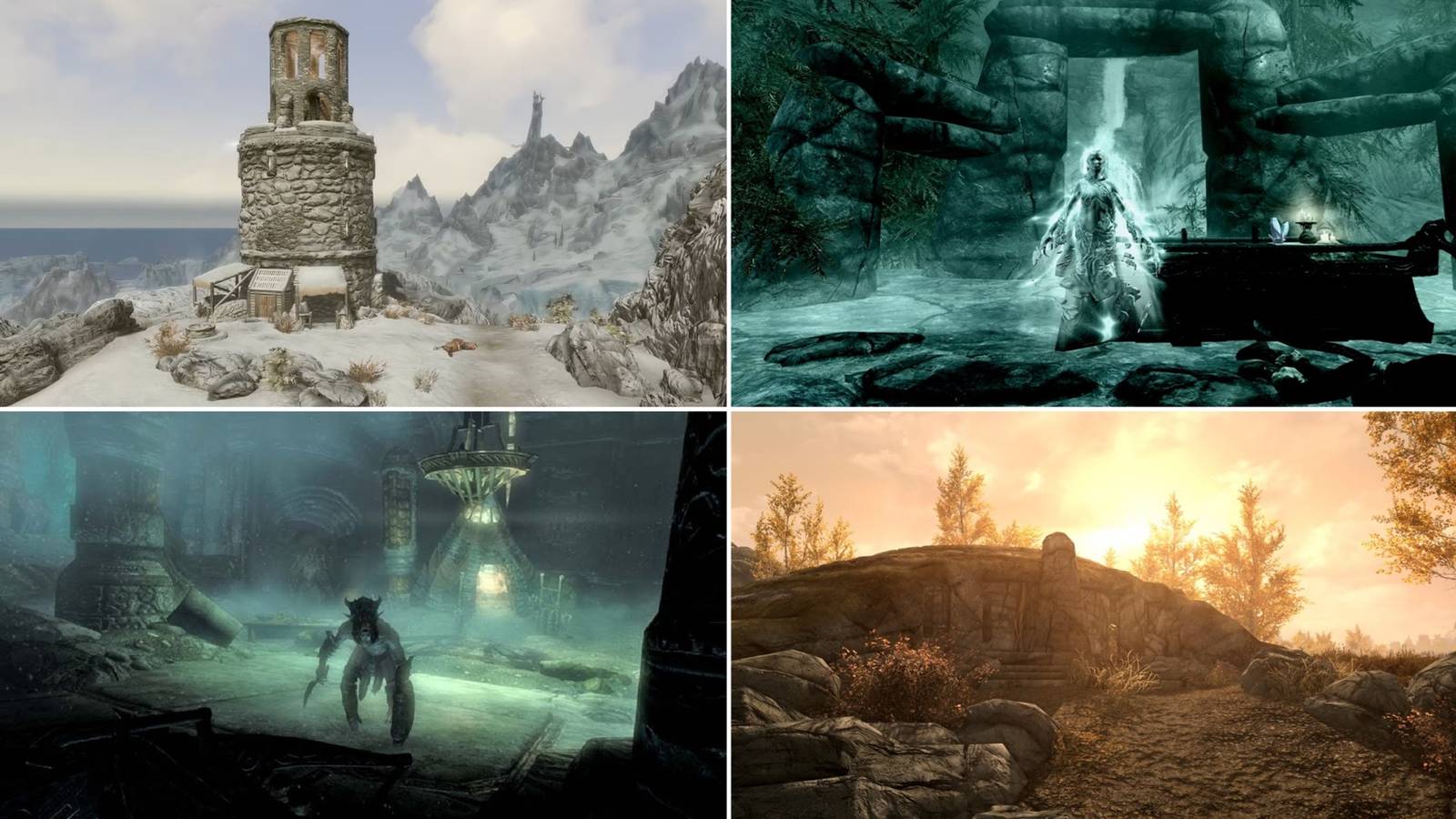
- Game: The Elder Scrolls V: Skyrim
- Developer: Bethesda Game Studios
- Release Date: November 11, 2011
- Platforms: PC, PlayStation 5, Xbox One, PlayStation 4, Xbox Series S/X, Nintendo Switch, Xbox 360, PlayStation 3
The release date of The Elder Scrolls V: Skyrim, originally November 11, 2011, marked a turning point in open-world RPG history, and in 2026, the title maintains a significant presence in the gaming industry. While players often look for a countdown to new releases or monitor pre-load windows for modern titles, many return to this Bethesda Game Studios masterpiece to revisit what are widely considered the most iconic dungeons in The Elder Scrolls V: Skyrim. As we analyze the best Skyrim dungeons ranked for 2026, it becomes clear that the game's enduring appeal stems from its ability to create memorable locations that feel distinct even fifteen years after launch.
At In Game News, our coverage often examines why certain titles maintain relevance long after their initial launch windows. The Elder Scrolls V: Skyrim, with its impressive Metacritic score of 94, serves as a primary example of how environmental design contributes to longevity. By focusing on specific zones, we can better understand why this production remains a benchmark for the genre.
Bethesda Skyrim Dungeon Design Analysis
The design philosophy behind the dungeons in this title relies heavily on atmosphere and environmental storytelling rather than just mechanical complexity. Many players ask what are the most memorable locations in Skyrim, and the answer frequently points to areas that utilize lighting and layout to shift the player's mood. Unlike games that rely on procedural generation, the hand-crafted nature of these sites allows for a consistent quality that keeps the experience fresh for returning players.
When looking at the best Skyrim dungeons ranked for 2026, we see a recurring theme: the transformation of standard encounter formulas into unique experiences. For instance, Shimmermist Cave is frequently cited for its atypical atmosphere. While it utilizes standard enemy types such as the Falmer and Chaurus, the bioluminescent aesthetic—filled with glowing flora and thick mist—creates a distinct sensory experience. This approach demonstrates that developers do not always need unique rewards to make a location stand out; instead, they can rely on the careful application of lighting and color palettes to create tension.
The Role of Atmosphere in Level Design
The effectiveness of these locations is often tied to how they break the monotony of standard exploration. In our Bethesda game analysis, we note that the game excels at making trivial encounters feel significant. By changing the visual cues within a cave, the player's perception of the threat changes. This is a core component of why the game remains popular in 2026; it respects the player's time by providing environments that feel curated and intentional.
Notable Locations and Environmental Storytelling
Beyond the bioluminescent caverns, other locations like Shroud Hearth Barrow highlight the importance of local lore. The common loop of arriving in a town, visiting an inn, and gathering information provides a grounded entry point into these dungeons. This narrative integration ensures that the player has a reason to be there, connecting the dungeon to the wider world of the game.
- Shimmermist Cave: Recognized for its distinct bioluminescence and tense atmosphere.
- Shroud Hearth Barrow: Noted for its integration into local town narratives and ghost-themed encounters.
- Standardized Mechanics: While the core gameplay loop remains consistent, the environmental variety prevents the experience from feeling repetitive.
These locations continue to be discussed because they represent a high point in 21st-century interactive media. While many modern RPGs attempt to replicate this success, the specific combination of exploration, lore, and visual design found in this title remains a difficult benchmark to reach. The fact that players still debate the best locations confirms that the game's design holds up under the scrutiny of modern standards.
Why is The Elder Scrolls V: Skyrim Still Popular in 2026?
The longevity of this title is not accidental. It is the result of a design that prioritizes immersion. When a player enters a cave or a barrow, they are not just looking for loot; they are engaging with a space that has been designed to evoke a specific reaction. This is why, when we look at the most iconic dungeons in The Elder Scrolls V: Skyrim, we are really looking at the most successful examples of environmental design in the genre.
Furthermore, the availability of the game across multiple platforms—including the PlayStation 5, Xbox Series S/X, and Nintendo Switch—ensures that new generations of players can continue to experience these locations. The accessibility of the title, combined with its high-quality foundation, ensures that it remains a central topic in industry discussions.
Frequently Asked Questions
As we continue our reporting on classic titles, we have compiled the following answers to common inquiries regarding the game's ongoing status and design.
What is the release date of The Elder Scrolls V: Skyrim?
The Elder Scrolls V: Skyrim was originally released on November 11, 2011.
Why is The Elder Scrolls V: Skyrim still popular in 2026?
The game remains popular due to its immersive open-world design and the high quality of its environments, which continue to influence modern RPG standards.
What are considered the most iconic dungeons in The Elder Scrolls V: Skyrim?
Locations like Shimmermist Cave and Shroud Hearth Barrow are frequently cited as memorable due to their unique atmospheric design and environmental storytelling.