
Stardew Valley Creator Eric Barone Rejects AI for Future Development
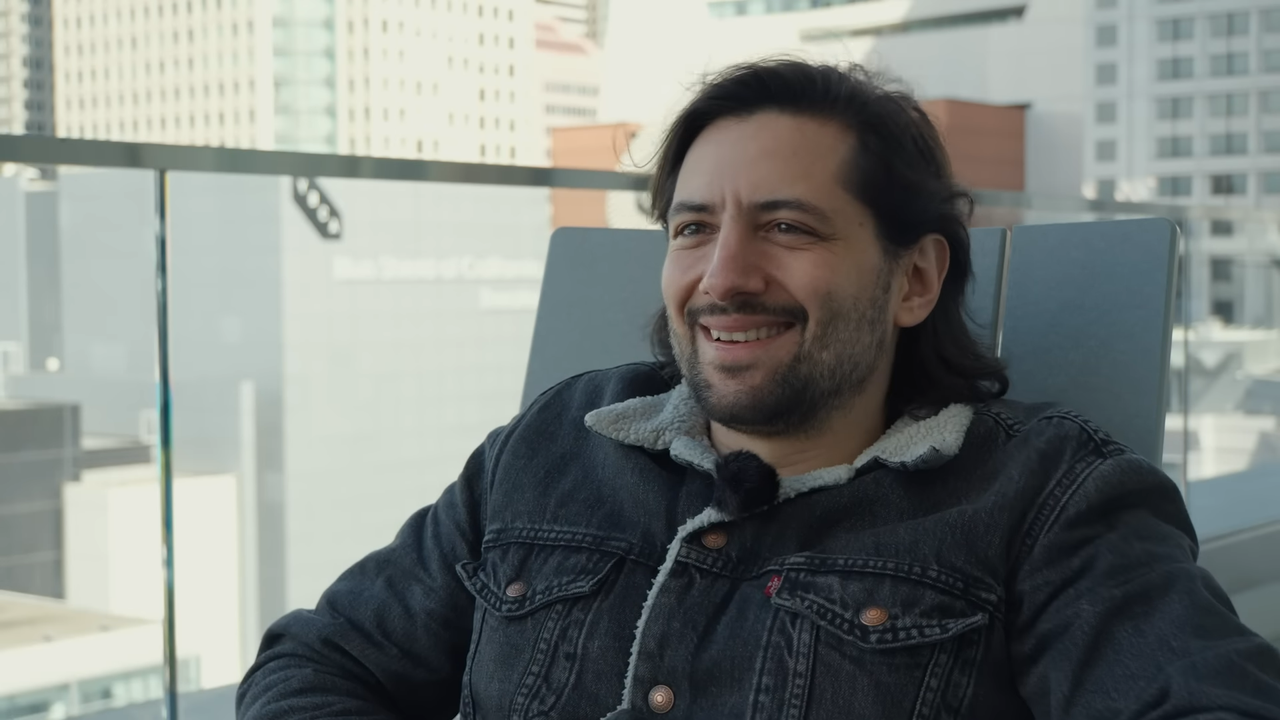
- Game: Stardew Valley
- Developer: Eric Barone
- Release Date: 2016-02-25
- Metacritic Score: 89
Stardew Valley remains a pillar of the indie simulation genre as its creator, Eric Barone, reaffirms his commitment to traditional development methods in 2026. Addressing the growing industry discourse surrounding generative technology, the developer has clarified his stance on AI in Stardew Valley, explicitly stating that he would never incorporate such tools into his workflow.
The Stance of Eric Barone on Human Creativity vs AI
In the current gaming climate, where automated generation is increasingly integrated into production pipelines, Eric Barone has maintained a clear position. He argues that the soul of a game is derived from the individual behind the screen. By choosing to eschew algorithmic assistance, Barone continues to uphold the standards that made the title a critical success upon its initial 2016 release.
The developer’s perspective centers on the inherent value of human intent. For Barone, the act of creation is not merely about the final asset, but the process of making choices that reflect a specific vision. He noted that he feels human effort should always take priority over the output of a soulless machine. This philosophy aligns with the Indie Games community's ongoing conversation regarding the preservation of artistic integrity in an era of rapid technological change.
Defining the Development Process
Since the launch of Stardew Valley, which holds a Metacritic score of 89, the game has been available across a wide array of platforms including PC, Xbox One, PlayStation 4, Nintendo Switch, iOS, Android, macOS, Linux, and the PlayStation Vita. Throughout this long lifecycle, Barone has remained the primary force behind the game’s updates and content additions. His rejection of AI tools is consistent with his history of solo development, where every pixel and line of code is handled directly by him.
When discussing why is Eric Barone against using AI in Stardew Valley, the answer remains rooted in his desire for total creative control. The implementation of AI, even for minor tasks, could potentially dilute the cohesive aesthetic and mechanical design that players have come to expect from his work. As we have documented in our Game Development coverage, the industry is currently split on the utility of these tools, but Barone’s firm stance provides a clear alternative to the trend of automation.
Impact on the Future of Stardew Valley
The decision to rely solely on human creativity ensures that future updates to Stardew Valley will maintain the same level of care that defined the original release. Players on PC can expect that any new content will be crafted with the same manual attention to detail that has characterized the game since its debut. This commitment to traditional methods serves as a point of stability for the community, as it guarantees that the game’s identity will not be altered by external generative processes.
The Stardew Valley developer statement on AI tools 2026 confirms that while the industry may be shifting, his methodology remains anchored in personal craftsmanship. This approach is not merely a stylistic choice but a fundamental aspect of his professional identity. By refusing to outsource creative decisions to software, Barone reinforces the importance of the individual developer's role in the gaming ecosystem.
Key Considerations for the Gaming Community
For those interested in how development trends are evolving, the following points summarize the key takeaways from Barone’s recent comments regarding his workflow:
- Manual Craftsmanship: Every asset in the game is the result of direct human input, ensuring a consistent artistic vision.
- Creative Priority: Barone emphasizes that the human element is what gives the game its unique character, which cannot be replicated by automated systems.
- Consistency: By avoiding AI, the developer ensures that the game’s future updates remain aligned with the established design language of the base game.
- Professional Standards: The rejection of generative tools sets a benchmark for other indie developers who prioritize artistic control over efficiency.
Industry Context and Developer Autonomy
The conversation around whether the Stardew Valley creator uses AI for game development has been settled by his public statements. In a field where efficiency is often prioritized, Barone’s choice to favor slow, manual development is a notable deviation from the norm. This highlights a broader trend where some creators are choosing to distance their work from the encroachment of generative AI to maintain a distinct, human-made quality.
As In Game News continues to monitor these developments, it is clear that Barone’s influence extends beyond just the game itself and into the philosophy of how games are made. By being transparent about his methods, he provides clarity for fans who value the authenticity of the titles they play. The distinction between human-authored content and AI-generated content is becoming a point of interest for many players, and Barone’s stance is a significant data point in that ongoing discussion.
Frequently Asked Questions
Does Stardew Valley creator Eric Barone use AI for game development?
No, Eric Barone has explicitly stated that he would never use AI in the development of Stardew Valley, preferring to rely on his own human creativity.
Why is Eric Barone against using AI in Stardew Valley?
Barone believes that human creativity should take priority over the output of a soulless machine, emphasizing the value of the personal touch in game design.
What is the official Stardew Valley developer statement on AI tools 2026?
The developer maintains that AI tools are not part of his creative process and that he intends to continue building his projects through individual human effort.
Eric Barone Clarifies Stardew Valley Romance Features for 2026Game Updates
Stardew Valley Future Update: ConcernedApe Teases New Sandbox Feature...Game Updates
Stardew Valley Wizard Guide: How to Befriend M. Rasmodius in 2026Game Updates
Stardew Valley Willy Guide: Befriending the Fisherman in 2026