
Starvester Incremental Game: PC Release and Factory Mechanics 2026
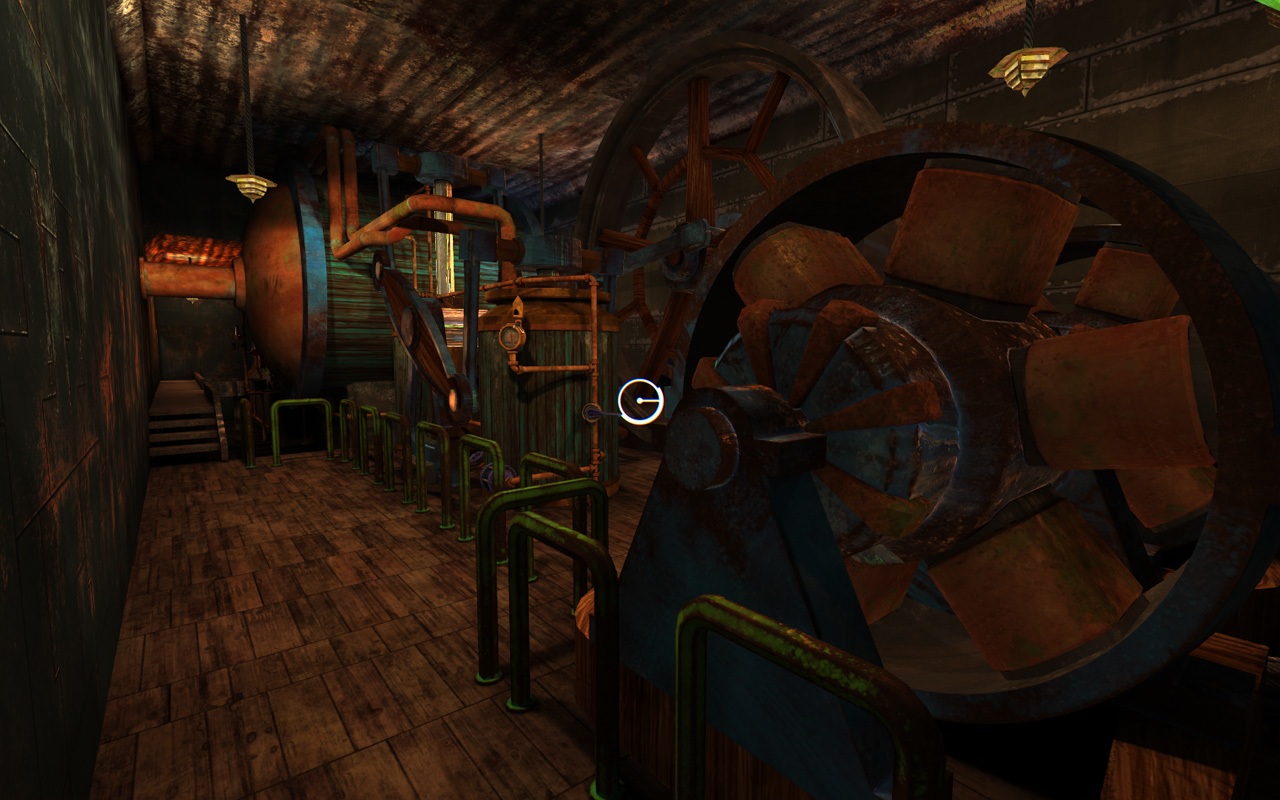
- Game: Starvester
- Platform: PC
- Genre: Incremental
- Release Status: Available 2026
Gaming news regarding the latest expansion of the simulation genre highlights the arrival of Starvester, a title focused on large-scale industrial automation. As we track the latest video games entering the market, this incremental project offers players the ability to construct a factory that encompasses an entire star system. Our coverage at In Game News confirms that the title is accessible to PC users in 2026, providing a fresh take on the resource-management subgenre.
Understanding the Scope of Starvester
When analyzing what is the incremental game Starvester, it is essential to look at the core loop that defines the experience. Unlike traditional strategy titles that focus on combat or diplomacy, this game centers entirely on the efficiency of production lines. Players are tasked with scaling their operations from a single mining outpost to a network that harvests energy and materials from multiple celestial bodies. This progression path is the primary driver of the gameplay, requiring constant optimization of logistics and supply chains.
For those interested in how the star-system factory works in Starvester, the mechanics rely on interconnectivity. Each planet or asteroid within the system serves as a node in a larger web of production. By linking these nodes, players can transport raw materials to specialized processing centers, eventually creating finished goods that increase the overall output of the system. This modular approach allows for a high degree of customization in how the factory is laid out, as players must account for travel times and resource density when planning their expansions.
Technical Specifications and Platform Availability
Is Starvester available on PC in 2026? Official data confirms that the title is currently live for users on the PC platform. The development team has focused on ensuring that the interface remains readable even as the scale of the factory grows to include hundreds of automated units. This is a common challenge for incremental games, where the sheer number of active processes can often lead to performance degradation if not optimized correctly.
The transition from early concepts to the current 2026 release version shows a clear focus on stability. Players can expect a consistent experience as they scale their operations. For those tracking the latest updates for Starvester incremental game, the current build prioritizes the stability of the inter-planetary transport network, which is the backbone of the player's economy. Maintaining this network requires players to monitor bottlenecks and adjust their production quotas accordingly.
Key Features of the Starvester Experience
The gameplay loop is defined by several distinct stages of growth. To better understand these, we have outlined the primary progression milestones below:
- Initial Extraction: Establishing the first mining rigs on the primary planet to generate basic resources.
- System Integration: Building transport ships or automated logistics lanes to connect separate planetary bodies.
- Advanced Processing: Constructing refineries and manufacturing hubs that convert raw ores into high-value components.
- System-Wide Scaling: Automating the entire star system to operate without manual intervention, maximizing resource throughput.
Each stage introduces new variables that players must manage. As the factory grows, the complexity of the supply chain increases, forcing players to rethink their initial layouts. This is where the game distinguishes itself from other titles in the genre; the focus is not just on clicking or waiting, but on the spatial arrangement of infrastructure across a vast, simulated environment.
Comparative Context in the Incremental Genre
While Starvester occupies a specific niche, it is worth noting how it fits into the broader history of simulation and indie games. For instance, titles like Harvester of Dreams: Episode 1, which released in 2018 for PC, macOS, and Linux, demonstrated an early interest in industrial and adventure themes within the indie space. However, Starvester takes a different approach by stripping away narrative elements in favor of pure, systemic automation. This shift reflects a trend in 2026 where players are seeking titles that emphasize mechanical depth and long-term planning over linear storytelling.
The lack of a Metacritic score for older, niche titles like Harvester of Dreams serves as a reminder that the incremental genre often relies on community-driven feedback rather than traditional critical reviews. Starvester is following a similar path, with its success being measured by the stability of its systems and the satisfaction of its player base as they reach the later stages of the game. The developers have opted for a lean design, ensuring that the focus remains on the factory mechanics rather than extraneous features that might distract from the core experience.
Strategic Planning and Resource Management
Success in Starvester is predicated on the ability to foresee future needs. As players unlock new technologies, the requirements for production increase, necessitating a complete overhaul of existing factory segments. This constant need for iteration is what keeps the gameplay engaging over long sessions. Players must frequently evaluate their current output against the requirements of their next expansion, a process that requires a strong understanding of the game's internal math.
The interface provides the necessary data points to make these informed decisions. By tracking the flow of materials through the system, players can identify where their factory is underperforming. Whether it is a lack of energy or a shortage of transport capacity, the game provides the tools to diagnose and resolve these issues. This transparency is a key aspect of the gaming news surrounding the title, as it highlights the developer's commitment to providing a user-friendly experience in a complex genre.
Future Outlook and Community Interaction
As we continue to monitor the Starvester game release news 2026, it is clear that the community plays a significant role in the ongoing development of the title. Players have been active in sharing their factory designs and optimization strategies, which in turn informs the updates released by the developers. This feedback loop is essential for a game that relies on complex systems, as it allows the creators to identify edge cases that might not have been apparent during the testing phase.
Looking ahead, the longevity of Starvester will likely depend on the introduction of new systems and challenges that force players to adapt their strategies. Whether this involves new types of celestial bodies to harvest or more complex production chains, the foundation laid in the 2026 release provides a solid base for future growth. We will continue to track these developments at In Game News to ensure our readers remain informed about the latest changes to the game's meta.
Frequently Asked Questions
What is the incremental game Starvester?
Starvester is an incremental title where players manage and expand a complex factory operation that spans across an entire star system.
Is Starvester available on PC in 2026?
Yes, Starvester is currently available for PC players as of the 2026 release cycle.
How does the star-system factory work in Starvester?
The star-system factory functions by allowing players to automate resource gathering and production chains across multiple planetary bodies within a system.