
Steam Controller 2026 Gains Musical Capabilities via Haptics Singer
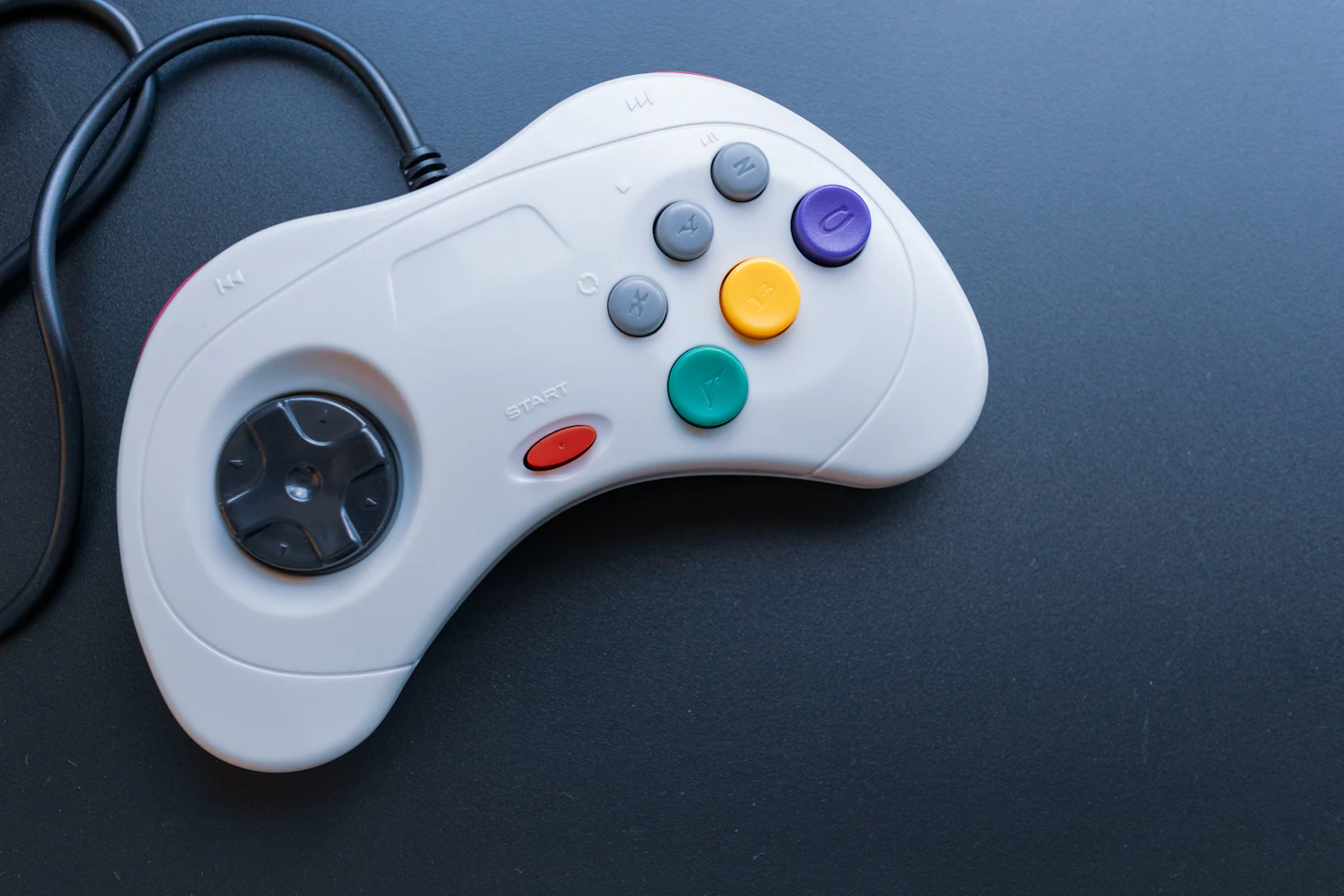
- Game/Hardware: Steam Controller (2026)
- Developer: Valve
- Software Project: Steam Haptics Singer
- Latest Version: 1.11
The Steam Deck OLED and the newly released Steam Controller (2026) have gained new functionality through the updated Steam Haptics Singer project, which allows the hardware to play musical tunes using its internal haptic motors. This development follows years of community interest in repurposing the haptic feedback systems found in Valve’s SteamOS-powered devices, effectively turning the controller into a musical instrument.
New Steam Controller 2026 Features Explained
The 2026 iteration of the Steam Controller, designed to complement the ecosystem established by the Steam Deck 2 and existing handheld hardware, features advanced haptic feedback systems. While these motors are primarily intended to provide tactile responses during gameplay, the open-source community has successfully repurposed them to generate audio.
The latest update to the software, version 1.11, specifically targets the 2026 hardware. According to the release notes, this patch enables the software to interface with the back rumble haptics of the new controller. By modulating these motors at specific frequencies, the device can mimic the playback of MIDI files. This functionality mirrors earlier projects that allowed the original Steam Controller to produce audible tones, often used for power-off sequences or simple melodies.
Understanding the Steam Haptics Singer Project
The Steam Haptics Singer project originated as an open-source initiative around 2022, initially focused on compatibility with the Steam Deck. As we reported here at In Game News, the project has now been expanded to ensure full compatibility with the latest generation of Valve peripherals. The developer behind the project has resumed active maintenance to support the 2026 hardware release.
Technical Improvements in Version 1.11
The 1.11 patch introduces several technical refinements for users operating on Linux systems. Key updates include:
- Native support for the back rumble haptics found in the 2026 Steam Controller model.
- A new configuration option that allows MIDI files to control the gain directly, providing better control over the volume and intensity of the haptic output.
- Improved stability for the command-line interface used to trigger the audio playback.
For those interested in the broader ecosystem of Valve hardware, you can read more in our hardware industry coverage or explore our Linux gaming reports.
Operational Workflow for Linux Users
Testing this feature on a Linux-based environment is a straightforward process for users familiar with terminal operations. The process involves downloading the executable, which is titled "steam-haptics-singer" within the project repository. Once the file is downloaded, the user must set the appropriate permissions to make the file executable. From there, the application is run via the terminal, requiring a MIDI file as an input parameter.
To assist users in verifying that their setup is functioning correctly, the developer has provided a sample MIDI file of the song "Still Alive" from the game Portal. This sample serves as a standard test case for the haptic motors. When the command is executed, the controller's internal motors vibrate in sequence to produce the melody, demonstrating the precision of the hardware's haptic array.
Hardware Evolution and Community Engagement
The ability to play sounds through haptic motors is a niche but well-documented phenomenon in gaming hardware. Similar to how early Nintendo Wii remotes could produce audio through their internal speakers, the Steam Controller’s reliance on high-fidelity haptics allows for a similar, if unintended, musical output. The 2026 controller’s hardware design appears to allow for a broader range of frequencies than its predecessor, resulting in clearer audio reproduction.
This project highlights the ongoing collaboration between Valve’s hardware design and the open-source community. By maintaining a modular approach to hardware drivers and software accessibility, Valve enables users to experiment with device features beyond the standard gaming use cases. The 2026 model, while maintaining a familiar form factor, has clearly been built with a robust enough haptic system to support these community-driven software projects.
Frequently Asked Questions
How do I play music on the new Steam Controller?
You can play music by downloading the Steam Haptics Singer version 1.11 executable, making it executable on Linux, and running it in a terminal with a MIDI file.
Does the new Steam Controller have haptic feedback?
Yes, the 2026 Steam Controller includes back rumble haptics, which the Steam Haptics Singer project utilizes to produce audio.
What is the Steam Haptics Singer project?
Steam Haptics Singer is an open-source tool that allows users to leverage the haptic feedback systems in Valve hardware to play back MIDI audio files.
Hell Let Loose: Vietnam Release Date, Pricing, and Pre-Order Guide 2026Adventure
Subnautica 2 Release Status: PC and Xbox Launch Details for 2026Action
New Super Mario Bros. 20th Anniversary: Reflecting on the DS Classic ...Game Pass
Xbox Game Pass Losing 5 Games Today: Full List of Titles Leaving in 2026