
The Legend of Zelda: The Wind Waker Development History and Legacy 2026
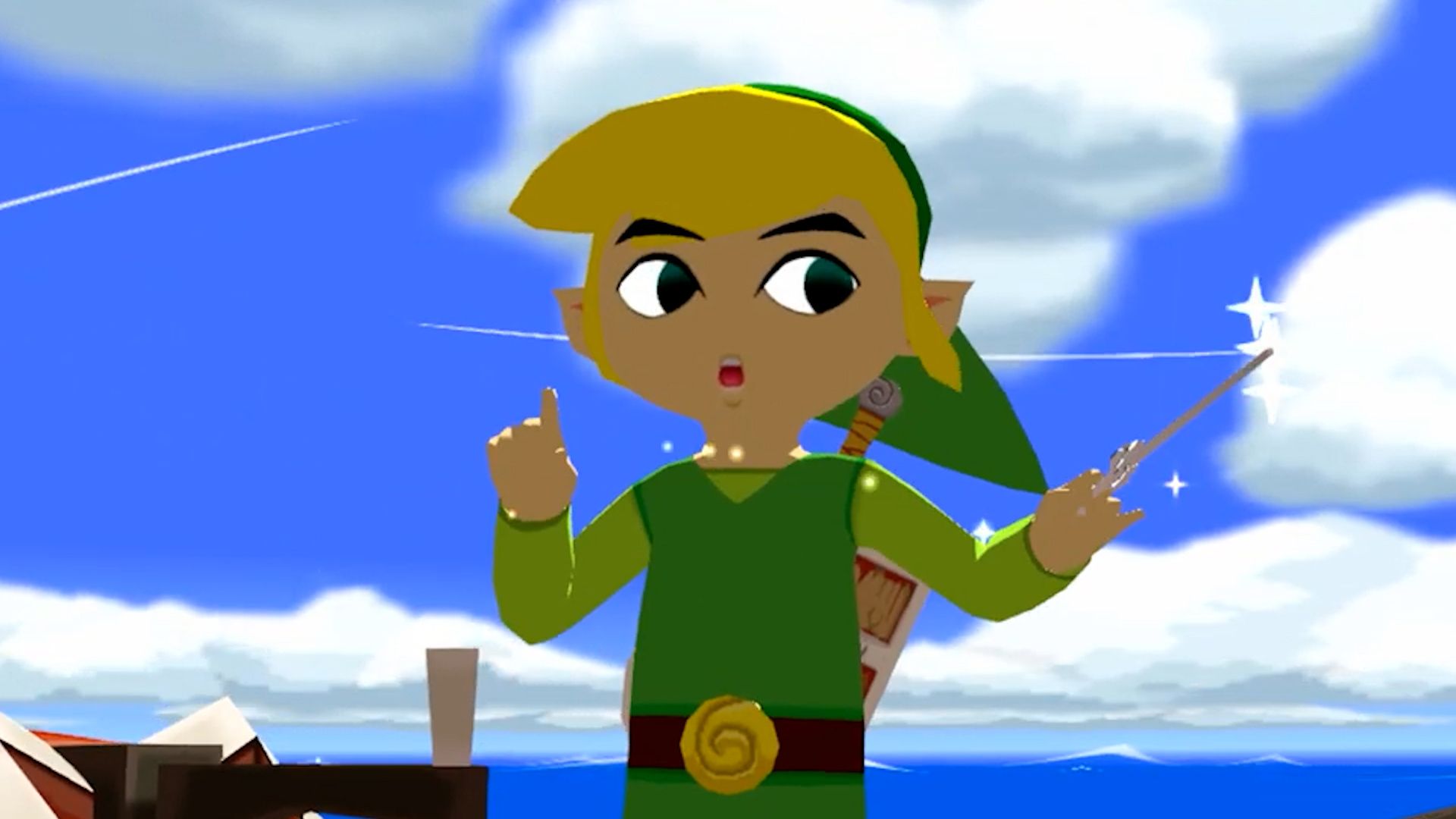
- Game: The Legend of Zelda: The Wind Waker
- Developer: Nintendo
- Original Release Date: 2002-12-13
- Platforms: GameCube, Wii U
While fans often look toward a potential future release date or countdown for new titles, revisiting the development history of The Legend of Zelda: The Wind Waker remains a priority for enthusiasts in 2026. Long before the modern era of pre-load options and digital storefronts, series producer Eiji Aonuma faced significant scrutiny regarding the state of the game at launch. As we reflect on the title's history here at In Game News, it is clear that the project's reputation has undergone a massive shift, moving from a controversial departure in style to a celebrated entry in the franchise.
The Legend of Zelda: The Wind Waker Development History Analysis 2026
To understand the current standing of The Legend of Zelda: The Wind Waker, one must look back at its 2002 debut on the Nintendo GameCube. Developed and published by Nintendo, the game was initially met with resistance due to its cel-shaded, cartoony art style, which stood in stark contrast to the realistic aesthetic many players expected from a next-generation Zelda title. Despite this initial backlash, the game garnered critical acclaim, though it was not without its own internal production struggles.
In a 2005 interview with Edge magazine, Eiji Aonuma addressed the common sentiment among players that the game felt incomplete. He candidly admitted that the feeling of the game being "unfinished" was a result of his own management during the production cycle. Aonuma explained that the team originally conceived a much larger project, but as the release window approached, they were forced to condense the experience to ensure the game met its scheduled launch date.
Why did Eiji Aonuma blame himself for The Legend of Zelda: The Wind Waker development?
Aonuma’s admission centered on the pressure to deliver a high-quality product within a strict timeframe. He noted that while the goal was to provide enough content to entertain the audience, the decision to prioritize a "compact-sized" experience over the original vision was a choice he took personal responsibility for. He stated that if players felt the game lacked certain elements, it was a result of his own lack of effort in managing the development scope effectively.
This transparency regarding the Zelda franchise history highlights the delicate balance between creative ambition and corporate deadlines. Aonuma expressed a strong desire to ensure that future entries in the series would not leave players with a similar impression of incompleteness, a goal that has defined his leadership in the years since.
Was The Legend of Zelda: The Wind Waker considered unfinished by Nintendo?
The question of whether the game was truly "unfinished" has persisted for over two decades. While Nintendo never officially categorized the game as incomplete, the development history confirms that several planned dungeons were cut from the final release. These omissions were necessitated by the need to finalize the game for the GameCube, and the resulting gaps in the narrative and gameplay progression were filled by the now-infamous Triforce quest.
Many fans have speculated that the assets and concepts intended for these cut dungeons were eventually repurposed for later titles in the series. This theory aligns with the Nintendo development cycle, where abandoned ideas often find new life in subsequent projects. The Triforce quest, which required players to hunt for charts across the Great Sea, served as a functional placeholder to extend the game's length, though it remains a point of contention among the player base.
Did Eiji Aonuma regret the Triforce quest in The Wind Waker?
When discussing the overall structure of the game, Aonuma acknowledged that the impression left on players was a direct reflection of the compromises made during development. While he did not specifically cite the Triforce quest by name in his 2005 comments, he admitted that the feeling of the game being compact was a result of the team's inability to fully realize their original, larger-scale vision. His focus remained on ensuring that the player experience remained engaging despite these limitations.
Legacy and the Wii U Transition
The perception of The Legend of Zelda: The Wind Waker changed significantly with the release of the high-definition remaster for the Wii U. This version allowed Nintendo to address many of the criticisms leveled against the original, including pacing issues related to the Great Sea navigation and the Triforce quest. By refining these elements, the Wii U release introduced the game to a new generation of players who were largely unburdened by the initial art style controversy.
The following table outlines the key differences in how the game was perceived over time:
| Era | Primary Perception |
|---|---|
| 2002 Launch | Polarized by art style; critical acclaim vs. fan backlash. |
| 2005 Reflection | Aonuma acknowledges development constraints and cut content. |
| 2013 (Wii U) | Refined experience; wider acceptance of the cel-shaded aesthetic. |
| 2026 Today | Widely regarded as a fan-favorite and a pivotal title in the series. |
As we continue our coverage at In Game News, it is evident that the history of this title serves as a case study in how public perception of a game can shift as the industry evolves. The initial negative reaction to the visuals, combined with the feeling of missing content, eventually gave way to an appreciation for the game's unique identity. Aonuma’s willingness to address the development shortcomings directly has only served to humanize the process, allowing fans to view the title as a bold, if constrained, artistic endeavor.
Frequently Asked Questions
Why did Eiji Aonuma blame himself for The Legend of Zelda: The Wind Waker development?
Eiji Aonuma took responsibility because the game felt unfinished due to time constraints, which forced the development team to scale back the scope of the project.
Was The Legend of Zelda: The Wind Waker considered unfinished by Nintendo?
While not officially labeled as unfinished by the company, Eiji Aonuma admitted that the team had to make the game more compact to meet deadlines, leading to the removal of planned dungeons.
Did Eiji Aonuma regret the Triforce quest in The Wind Waker?
Aonuma expressed regret regarding the overall impression of the game's pacing, specifically noting that the compact nature of the final product resulted from a lack of effort to balance the content within the available development time.