
Tim Cain Discusses How Influencers Are Altering Player Choices in 2026
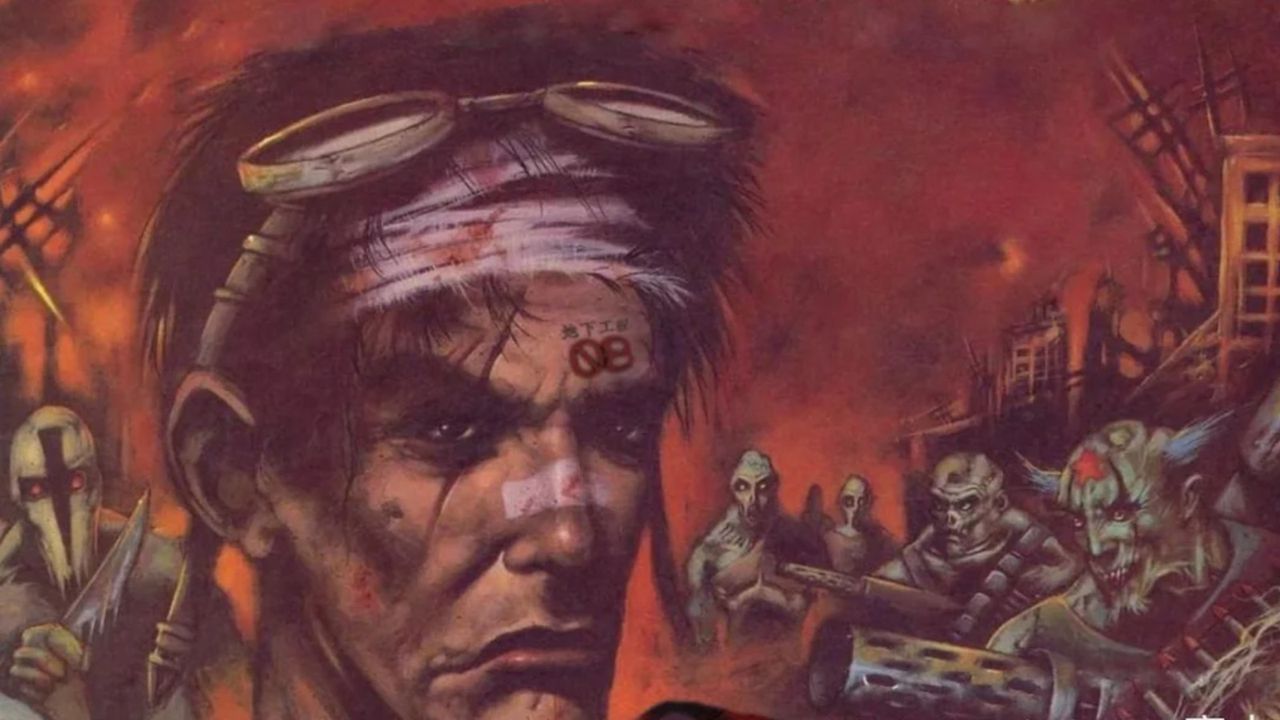
- Game: Fallout
- Developer: Tim Cain (Original Designer)
- Original Release: 1997-09-30
- Primary Platform: PC
Tim Cain, the original designer of the seminal role-playing game Fallout, has expressed concerns regarding the shift in how modern gamers approach their hobby due to the rise of online content creators. In recent commentary, Cain highlighted that many players in 2026 appear to be abdicating their own judgement to that of people they see online, a trend that fundamentally alters the nature of player agency and exploration within digital worlds.
The Evolution of Player Autonomy and Influencer Impact
For those who follow our coverage at In Game News, the discussion surrounding the game design philosophy of classic titles often leads back to the core principles established in the late 1990s. When Fallout was released on September 30, 1997, for the PC, the design intent was to provide players with a sandbox of choices where their individual decisions dictated the outcome of the narrative. However, the current environment has changed significantly.
Cain notes that the influence of content creators has created a feedback loop where the "correct" way to play is often dictated by external sources rather than personal discovery. This shift is not merely a change in consumer behavior but a transformation in how players interact with the systems built by developers. When players seek out guides or influencer opinions before even entering a game, they bypass the trial-and-error process that was once central to the role-playing genre.
Analyzing the Shift in Gaming Culture
The impact of influencers on game design is a subject that continues to gain traction as we look at the state of the industry in 2026. According to Tim Cain, the pressure to conform to a specific "meta" or to follow the advice of popular figures has diminished the value of individual experimentation. This phenomenon, where players rely on others to make decisions for them, is particularly prevalent in RPGs where choice and consequence are meant to be personal experiences.
We have observed that this trend creates a disconnect between the developer's intent and the player's actual experience. If a game is designed to be difficult or to offer multiple branching paths, but a player is led by an influencer to take the most efficient route, the intended challenge is neutralized. This effectively removes the "game" from the experience, turning it into a guided tour rather than an interactive journey.
Key Factors in Modern Player Behavior
- Reliance on External Validation: Players often look to influencers to confirm if a game or a specific choice is "good" before committing to it.
- Loss of Personal Discovery: The joy of stumbling upon secrets or making mistakes is often replaced by the efficiency of following a pre-planned guide.
- Standardization of Playstyles: Influencers tend to promote specific builds or strategies, leading to a homogenization of how games are played across the community.
Tim Cain Comments on Player Judgement and Online Influencers
Cain’s observations touch on a broader issue within the industry. As we continue our reporting on industry trends, it is clear that the accessibility of information has changed the power dynamic between developers and their audience. While influencers can certainly bring attention to niche titles, the trade-off is often a reduction in the player's willingness to engage with the game's mechanics on their own terms.
The designer suggests that this behavior is a departure from the spirit of early PC gaming. In the era when Fallout was developed for platforms like PC, macOS, and Linux, the lack of instant, ubiquitous online guides meant that players had to rely on their own wits. This forced engagement with the game's systems is something that Cain feels is currently being lost to the convenience of modern content consumption.
The Future of Independent Decision Making
Looking ahead, the tension between influencer-led play and organic exploration will likely continue to be a focal point for developers. If players continue to abdicate their judgement, developers may be forced to design games that are more linear or less reliant on complex, player-driven choices to ensure that the intended experience is conveyed accurately. This would be a significant shift for the genre, potentially moving away from the open-ended nature that defined the early success of the Fallout series.
Ultimately, the conversation sparked by Tim Cain serves as a reminder of the value of personal agency. Whether a player chooses to follow an influencer's guide or forge their own path remains a personal choice, but the impact of these decisions on the overall gaming experience is a critical area of study for those interested in the future of interactive media.
Frequently Asked Questions
The following questions address the core concerns raised by Tim Cain regarding the influence of online personalities on player behavior in 2026.
- What does Tim Cain think about gaming influencers in 2026? Tim Cain observes that many players are increasingly abdicating their own personal judgment in favor of the opinions and choices presented by online influencers.
- How have influencers changed how people play games according to Tim Cain? According to Tim Cain, influencers have shifted the gaming experience by encouraging players to follow standardized paths or opinions rather than exploring games through their own independent decision-making.
- Why does Tim Cain believe influencers influence player choices? Tim Cain suggests that the accessibility and prevalence of online content lead players to rely on external validation, which ultimately impacts how they interact with game design and mechanics.