
VKD3D-Proton 3.0.1 Brings Major Linux Gaming Enhancements in 2026
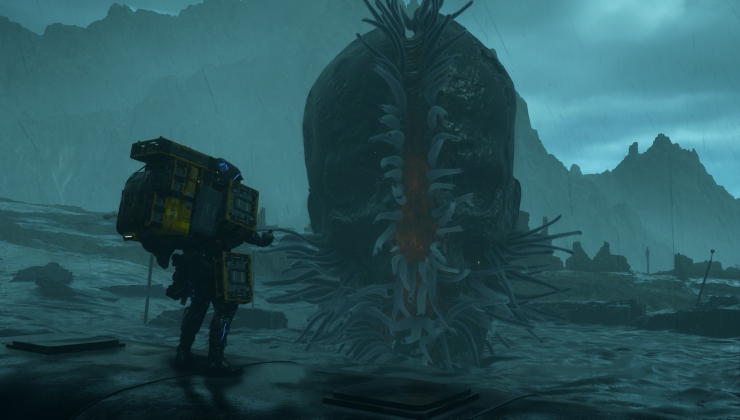
Gaming News regarding the evolution of Video Games on open-source platforms continues to center on the latest release of VKD3D-Proton 3.0.1. This update provides significant technical improvements for translating Direct3D 12 graphics commands into the Vulkan API, which is essential for running modern PC titles on Linux distributions. By refining how these instructions are processed, the update ensures that players utilizing the Proton compatibility layer experience more stable and efficient rendering across a wider library of software.
- Software: VKD3D-Proton 3.0.1
- Primary Function: Direct3D 12 to Vulkan translation
- Platform: Linux (via Steam/Proton)
- Release Context: 2026 software maintenance
Understanding the Role of VKD3D-Proton in Modern PC Gaming
For many years, the primary barrier for Linux adoption in the enthusiast market was the lack of native support for high-end graphics APIs. As we have documented in our Linux gaming coverage, the development of translation layers has been the primary driver for accessibility. VKD3D-Proton serves as the specialized component responsible for handling the complex Direct3D 12 pipeline. Without this layer, the vast majority of modern AAA titles—which rely heavily on D3D12—would be unable to function outside of the Windows environment.
The 3.0.1 release focuses on stability and the correction of specific rendering issues that previously hindered certain titles. By streamlining how the Vulkan driver interacts with the underlying hardware, the developers have managed to reduce the overhead often associated with real-time translation. This is part of a broader trend in our PC gaming coverage where software-based solutions are increasingly narrowing the performance gap between Windows and Linux.
Technical Improvements in Version 3.0.1
The latest iteration of the software introduces a series of refinements aimed at memory management and synchronization. These adjustments are intended to prevent common crashes that occur when a game attempts to allocate resources in a way that the translation layer previously struggled to interpret. The following list outlines the primary areas addressed in this update:
- Resource Binding: Optimization of how descriptor sets are managed between the game engine and the graphics card.
- Pipeline State Objects (PSO): Improvements in cache handling to reduce stuttering during gameplay in titles that frequently compile shaders.
- API Compatibility: Expanded support for specific D3D12 features that were previously flagged as unsupported or experimental.
- Error Handling: Enhanced logging and feedback mechanisms for developers to identify where translation failures occur in real-time.
These changes are particularly beneficial for users running hardware that adheres strictly to the Vulkan 1.3 specification. By leveraging newer features of the Vulkan API, VKD3D-Proton 3.0.1 can offload more work to the GPU, effectively freeing up CPU cycles for game logic and physics calculations.
Impact on the Steam Ecosystem
As the primary interface for most users, Steam continues to integrate these updates automatically through the Proton runtime. When the development team pushes a new version, such as 3.0.1, it is typically bundled into the next Proton experimental or stable branch update. This silent integration is a key factor in why Linux gaming has seen such a surge in popularity over the last few years. Users do not need to manually configure complex environment variables or compile source code to benefit from these advancements.
In Game News has observed that the frequency of these updates has increased as the complexity of modern game engines grows. Developers are now prioritizing the maintenance of these translation layers as a core part of their support cycle. This ensures that when a new blockbuster title is released, the necessary hooks are already in place to allow for day-one compatibility, or at least a minimal delay before a functional patch is deployed.
Future Outlook for Direct3D Translation
Looking ahead, the roadmap for VKD3D-Proton suggests a continued focus on feature parity with the latest Windows graphics drivers. As Microsoft continues to update the Direct3D 12 specification, the open-source community must work to mirror those changes in the translation layer. This constant cycle of development is what keeps the Linux platform viable for high-performance gaming. Future updates are expected to address more advanced ray tracing implementations and mesh shading techniques, which are becoming standard in modern game development.
For the end-user, the takeaway from the 3.0.1 release is a more consistent experience. By addressing the technical debt accumulated in earlier versions, the project has established a more stable foundation for future growth. Whether you are using a dedicated desktop PC or a handheld device running a Linux-based operating system, these improvements translate directly into better frame pacing and fewer unexpected exits to the desktop during intense gaming sessions.
Frequently Asked Questions
What is VKD3D-Proton 3.0.1?
VKD3D-Proton 3.0.1 is a software library that translates Direct3D 12 API calls to Vulkan, allowing Windows-based games to run on Linux operating systems.
How does VKD3D-Proton improve Linux gaming?
It enhances compatibility and performance for Direct3D 12 titles on Linux by bridging the gap between proprietary graphics APIs and open-source Vulkan drivers.
Where can I find the latest VKD3D-Proton updates?
The latest updates and release notes for VKD3D-Proton are maintained through the project's official repository and tracked via Steam news updates.