

Why Did the Wii U Fail? Reggie Fils-Aimé Reveals 2026 Strategy Insights
- Game: F-Zero (Wii U)
- Developer: Nintendo
- Original Release Date: 2013-11-21
- Platform: Wii U
While industry discussions often focus on the massive success of titles like Cyberpunk 2077 and its expansion Phantom Liberty from developer CD Projekt Red, the history of hardware remains a central topic for analysts. As we look at the 2026 market, the release date of various retro-themed consoles continues to spark a countdown of interest among collectors. However, the origin of these devices is rooted in a period of commercial struggle for Nintendo. Recent insights from former Nintendo of America president Reggie Fils-Aimé provide a clear look at why the Nintendo Wii U failed according to executives and how that underperformance shaped the company's strategy.
Nintendo Wii U Market Performance Retrospective 2026
During a recent Q&A session at the NYU Game Centre, Reggie Fils-Aimé addressed the lifecycle of the Wii U. The console, which launched in 2012, initially saw moderate success in its first year. However, Fils-Aimé noted that as consumers turned their attention toward the next generation of consoles from Sony and Microsoft, Nintendo's momentum slowed significantly. This former Nintendo of America president Wii U analysis 2026 highlights that the primary issue was not just the hardware itself, but the lack of a steady stream of software.
Fils-Aimé explained that the internal roadmap for major franchises like Super Smash Bros., Mario Kart, and Splatoon did not align with the market's needs. While these games eventually became pillars of the Nintendo ecosystem, they did not arrive on the console in a timeframe that could prevent the hardware's decline. By the end of the second year, it became apparent to the leadership team that the Wii U would not recover its market position, forcing the company to pivot its strategy to maintain revenue.
Official Developer Statements on Wii U Console Failure
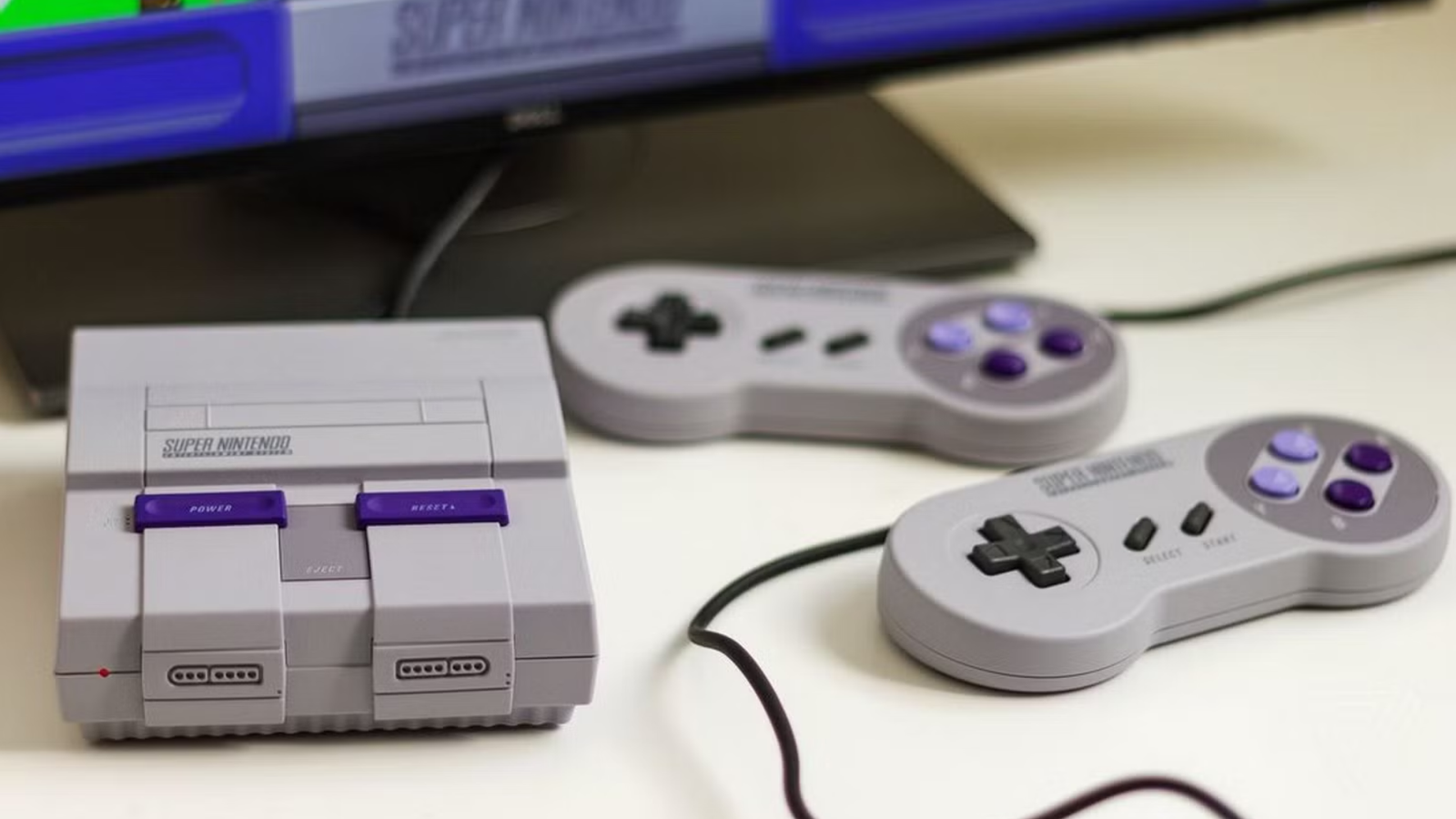
The official developer statements on Wii U console failure from Fils-Aimé reveal that the introduction of plug-and-play retro devices was a reactive measure rather than a proactive product launch. Nintendo needed a way to move hardware volume during the holiday season while the company focused its primary development resources on the successor to the Wii U.
- Strategic necessity: The NES and SNES Mini consoles were created to fill a gap in hardware sales.
- Market timing: These devices provided a reliable revenue stream during the holiday seasons of the mid-2010s.
- Resource allocation: Nintendo transitioned its focus toward the next generation of hardware while the Wii U was effectively on life support.
This shift in focus allowed Nintendo to stabilize its business operations. The success of these micro legacy devices proved that there was a strong appetite for nostalgic gaming experiences, which helped bridge the gap until the company could launch its next major console platform. For more on how hardware cycles impact the industry, see our hardware news coverage.
What Were the Main Reasons for Wii U Commercial Failure?
Beyond the lack of software, the Wii U struggled to find a clear identity in a competitive market. The console's unique GamePad controller was intended to be a point of differentiation, but it often confused the average consumer. According to the retrospective analysis, the platform suffered from a lack of third-party support and a marketing strategy that failed to clearly communicate the value of the dual-screen setup compared to the offerings from competitors.
The console's library, including titles like F-Zero released on November 21, 2013, faced a difficult uphill battle. While the game provided a classic racing experience, it was not enough to drive the hardware sales volume that Nintendo required to compete with the PlayStation 4 and Xbox One. The reliance on legacy hardware, such as the mini consoles, served as a temporary solution to a long-term structural problem within the company’s product pipeline. To understand more about how these trends compare to current industry shifts, check out our industry reports.
Frequently Asked Questions
For readers looking for quick answers regarding the Wii U's history, we have compiled the following information based on recent industry reporting.
Why did the Nintendo Wii U fail according to executives?
According to former Nintendo of America president Reggie Fils-Aimé, the Wii U failed because sales stalled after the first year as competitors released new hardware and anticipated software titles were delayed.
What were the main reasons for Wii U commercial failure?
The primary reasons for the failure included a lack of consistent new product releases and the inability to keep up with the pace of the next generation of consoles from Sony and Microsoft.
How did Nintendo respond to the Wii U's poor market performance?
Nintendo responded to the Wii U's commercial decline by launching the NES Mini and SNES Mini to sustain business and maintain hardware sales volume during the holiday seasons.