


Why Marvel Once Forbade Juggernaut from Jumping in Marvel vs Capcom
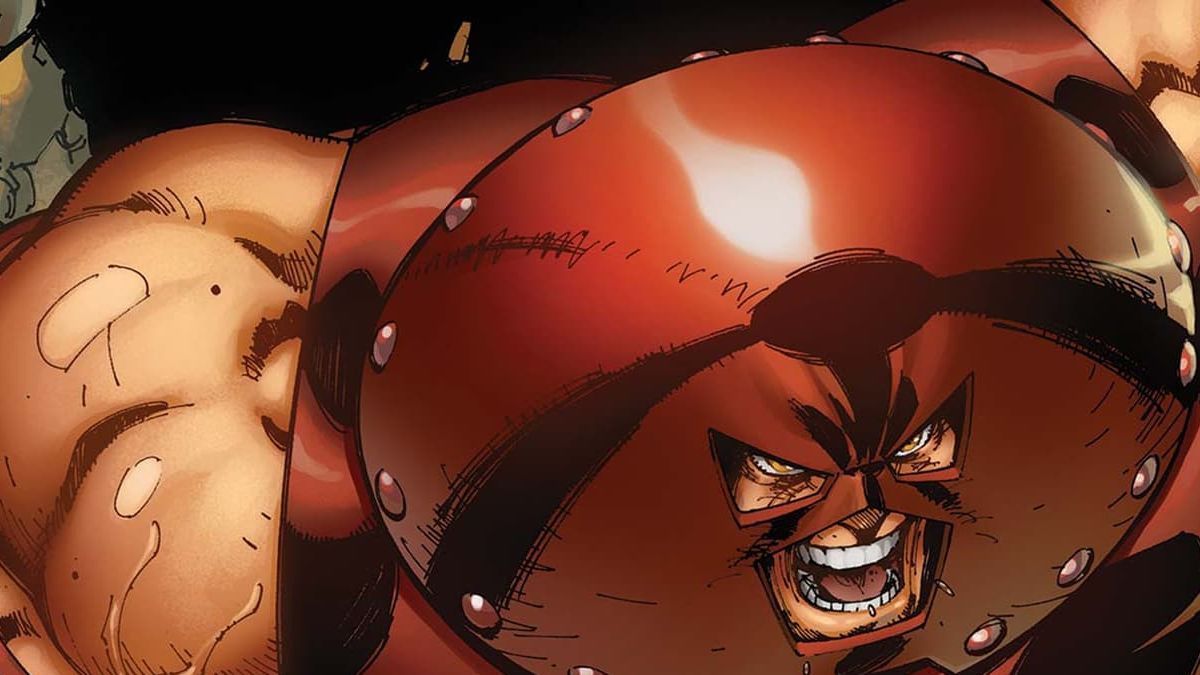
- Game: Marvel vs. Capcom: Infinite
- Developer: Capcom
- Original Release: 2017-09-19
- Metacritic Score: 73
- Platforms: PC, Xbox One, PlayStation 4
Gaming news regarding the long-standing collaboration between Capcom and Marvel often centers on character balance, but historical insights into video games reveal deeper creative conflicts. Recent revelations from Capcom developer stories regarding the Marvel vs. Capcom development history shed light on why Marvel once insisted that the iconic character Juggernaut could not jump. This specific restriction highlights the friction that can occur when external intellectual property holders maintain strict control over character movement and design.
The Juggernaut Jumping Restriction in Marvel vs Capcom
During the early development phases of the Marvel vs. Capcom series, Capcom designers faced significant challenges when attempting to adapt comic book characters into a fast-paced fighting game format. One of the most notable obstacles was the mandate from Marvel that Juggernaut, known for his unstoppable nature, should not be capable of jumping. In the context of a 2D fighting game, where mobility and aerial combat are central to the meta, removing the ability to jump was a major design constraint.
The reasoning behind this directive was rooted in Marvel's desire to preserve the character's identity as an immovable, ground-based force. The studio felt that allowing Juggernaut to leap through the air would contradict his established lore as a character who relies on brute force and forward momentum rather than agility. For the developers at Capcom, this created a technical and gameplay hurdle, as they had to find ways to make the character viable without standard aerial movement options.
Capcom Developer Stories and Creative Constraints
The Marvel vs. Capcom development history is filled with instances where Capcom had to negotiate design liberties with Marvel. The Juggernaut jumping problem serves as a primary example of how intellectual property management can directly influence gameplay mechanics. By forcing the character to remain on the ground, Marvel pushed the development team to innovate within a limited move set. This necessitated the creation of unique ground-based attacks and movement options that compensated for the lack of verticality.
We reported on these challenges to provide context for how fighting games are shaped by external oversight. When developers are told that a character cannot perform basic actions like jumping, it forces a shift in the character's playstyle. In this case, Juggernaut became a character defined by his ability to close the distance rapidly while staying grounded, a design choice that persists in the memories of players who experienced the early iterations of the series.
Impact on Gameplay and Character Design
The restriction on Juggernaut's movement is a case study in how design philosophies from comic book creators can clash with the requirements of competitive gaming. While modern iterations of the series have evolved, the legacy of these early decisions remains a point of interest for fans of the franchise. Understanding why Marvel insisted on these limitations provides insight into the broader challenges of maintaining brand integrity while creating balanced, functional video games.
For players curious about the evolution of the franchise, the Capcom development team often had to balance these strict mandates with the need for a fluid, responsive experience. The Juggernaut example is not isolated; it reflects a period where the partnership between the two companies was defined by a delicate negotiation of creative control. These anecdotes are essential for anyone interested in the history of the genre and the specific hurdles faced during the production of iconic titles.
Frequently Asked Questions
Why did Marvel insist Juggernaut cannot jump in Marvel vs Capcom?
Marvel insisted Juggernaut could not jump because they believed the character's immense size and design philosophy dictated that he should remain grounded to maintain his identity.
What caused the Juggernaut jumping problem in Marvel vs Capcom?
The problem arose during character design when Capcom developers clashed with Marvel's strict creative guidelines regarding how the character should move within a fighting game environment.
Did Marvel really forbid Juggernaut from jumping in Marvel vs Capcom?
Yes, Marvel enforced strict design requirements during the development of the series that initially prohibited Juggernaut from performing jump animations.
Why Is the Pokemon Target Collection Being Scalped on eBay in 2026?Analysis
Final Fantasy XIV Arcadion Raid Music and Production Insights 2026Adventure
Cursor Camp: Neal Agarwal Releases New Browser Social Experience in 2026Adventure
Magic: The Gathering Artist Controversy at MagicCon 2026 Explained