
Why Shigeru Miyamoto Prioritized Horseback Combat in Twilight Princess
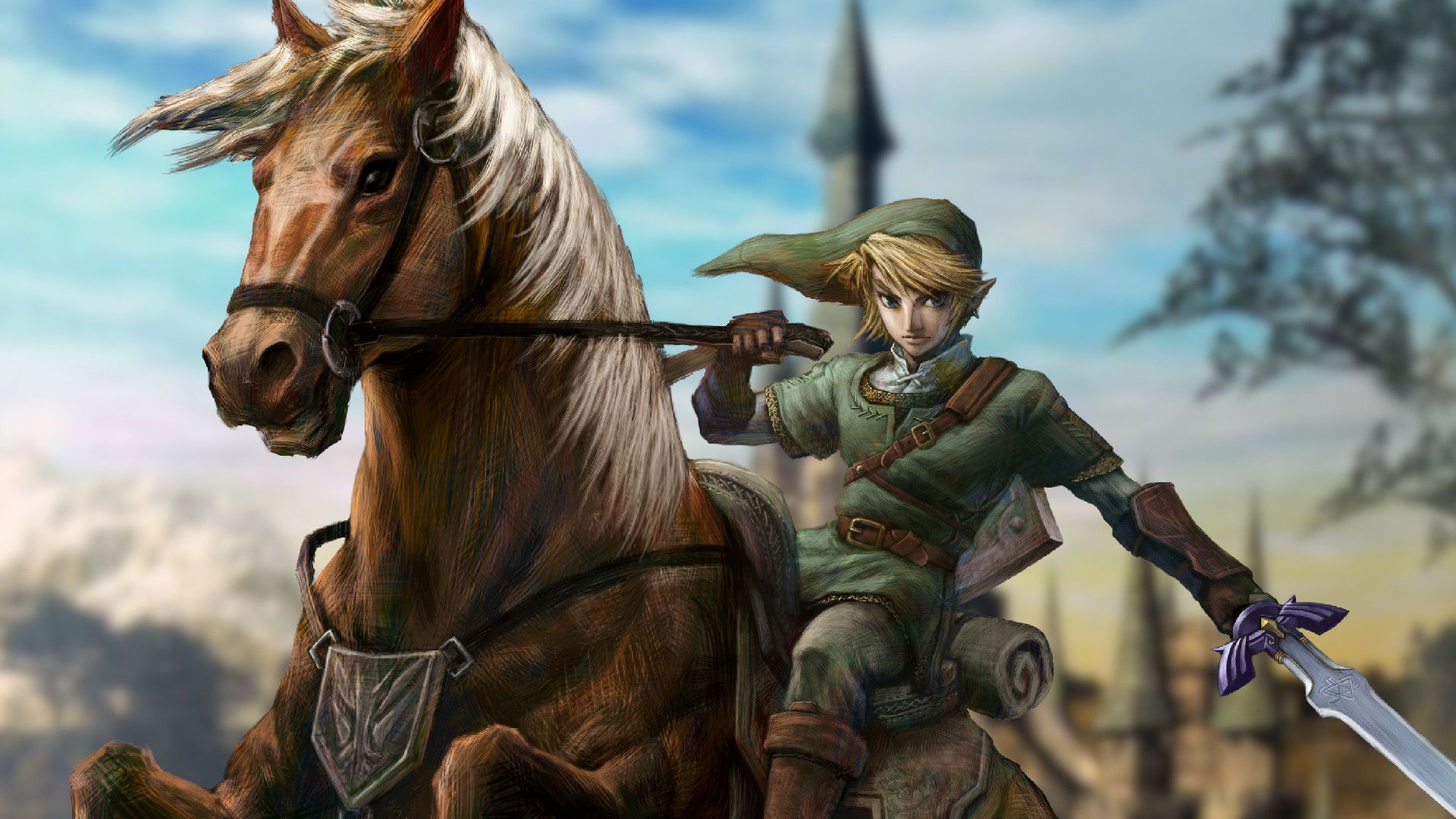
The Legend of Zelda: Twilight Princess, developed and published by Nintendo for the Nintendo GameCube and Wii, features a distinct focus on mounted combat that was driven by the specific vision of Shigeru Miyamoto. As we reflect on the series' history here at In Game News, it is clear that Miyamoto's design philosophy for The Legend of Zelda: Twilight Princess was centered on evolving the player's interaction with the environment and their mount, Epona. This focus on horseback combat represents a significant shift from previous entries in the franchise, filling a gap that earlier hardware limitations could not accommodate.
- Game: The Legend of Zelda: Twilight Princess
- Developer: Nintendo
- Release Date: 2006-11-19
- Platforms: Wii U, Wii, GameCube
The Influence of Shigeru Miyamoto on Gameplay Mechanics
The development of The Legend of Zelda: Twilight Princess was heavily influenced by the creative direction of Shigeru Miyamoto. Throughout the project, Miyamoto maintained a clear objective: he wanted to see Link fight on horseback. This desire was not merely a stylistic choice but a fundamental mechanical goal that challenged the development team to push the boundaries of what was possible within the Zelda engine at the time. By prioritizing this feature, Miyamoto ensured that the traversal and combat systems were deeply intertwined, forcing players to master mounted movement to succeed in various encounters.
When analyzing our Nintendo coverage, it becomes evident that Miyamoto's influence went beyond simple additions. He sought to create a sense of scale and interaction that felt absent in the transition from 2D to 3D. By forcing the inclusion of horseback combat, the team had to rethink how the player engaged with enemies in open fields, leading to the high-stakes mounted battles that define the experience of the game.
Comparing Horseback Combat: Twilight Princess vs. Ocarina of Time
Many fans often ask how the horseback combat in Twilight Princess compares to Ocarina of Time. In Ocarina of Time, while Epona was a vital tool for travel, the technical constraints of the Nintendo 64 hardware prevented the implementation of full-scale combat while mounted. The player could use the horse for movement, but engaging in swordplay or archery from the saddle was not a functional mechanic of the game's core loop.
Twilight Princess succeeded where Ocarina of Time could not because the technology had caught up to Miyamoto's original vision. The combat system in Twilight Princess allows for fluid sword strikes and precise archery while moving at high speeds. This difference is not just a minor update; it fundamentally changes how the player approaches combat encounters in the game's expansive fields. Players are no longer restricted to foot combat, which provides a sense of speed and momentum that was previously unattainable in the series.
What Makes Horseback Combat Unique in 2026
Even in 2026, the mechanics established in Twilight Princess remain a point of interest for those studying the evolution of action-RPG design. The uniqueness of the system lies in the control scheme and the weight of the interactions. Because Miyamoto insisted on this feature, the physics of Epona and the responsiveness of Link's sword were tuned to ensure that combat felt natural rather than forced. This level of polish is why the game remains a notable title for players revisiting the franchise on legacy hardware or through modern emulation.
The integration of these mechanics serves as a prime example of how a singular vision from a director can dictate the entire flow of a game. By forcing the team to build the game around the horse, the developers created a world that feels larger and more dangerous, requiring the player to utilize every tool at their disposal. You can find more details in our Zelda series analysis.
Technical Implementation and Design Philosophy
The design philosophy for The Legend of Zelda: Twilight Princess was inherently linked to the capabilities of the GameCube and Wii hardware. The ability to render large, open areas meant that horseback combat was not just a gimmick, but a necessary component to traverse and fight effectively. Miyamoto’s insistence on this feature meant that the collision detection, enemy AI, and camera controls had to be adjusted to track fast-moving targets while the player was also managing the movement of the horse.
This requirement forced the team to optimize the game in ways that kept the frame rate stable during intense mounted sequences. The resulting gameplay loop is one that emphasizes timing and spatial awareness. Players must account for the horse's momentum, which adds a layer of difficulty not present when fighting on foot. This design choice highlights the importance of Miyamoto's vision in shaping the final product, as it moved the series toward a more action-oriented style of play that would eventually influence later entries in the franchise.
Frequently Asked Questions
In this section, we address common inquiries regarding the development history and mechanics of the title.
Why did Shigeru Miyamoto want horseback combat in Zelda: Twilight Princess?
Shigeru Miyamoto insisted on horseback combat because he specifically wanted to see Link fight while mounted, a feature that was not possible in earlier titles like Ocarina of Time.
How does Zelda: Twilight Princess horseback combat compare to Ocarina of Time?
Unlike Ocarina of Time, which lacked the technical capacity for mounted combat, Twilight Princess integrated this mechanic as a core gameplay element, allowing players to engage enemies while riding Epona.
Did Shigeru Miyamoto influence Zelda: Twilight Princess gameplay mechanics?
Yes, Shigeru Miyamoto was a primary driver behind the inclusion of horseback combat, directly shaping the design philosophy for The Legend of Zelda: Twilight Princess.
The Legend of Zelda: Twilight Princess PC Port Renamed to Dusklight i...Action
Dusk Project Brings The Legend of Zelda: Twilight Princess to PC in 2026Action
The Legend of Zelda: Twilight Princess Is Now Playable On PC and Stea...Action
Twilight Princess PC Port Released in 2026 With New Features