
Why Some RPG Villains Are Entirely Forgettable in 2026
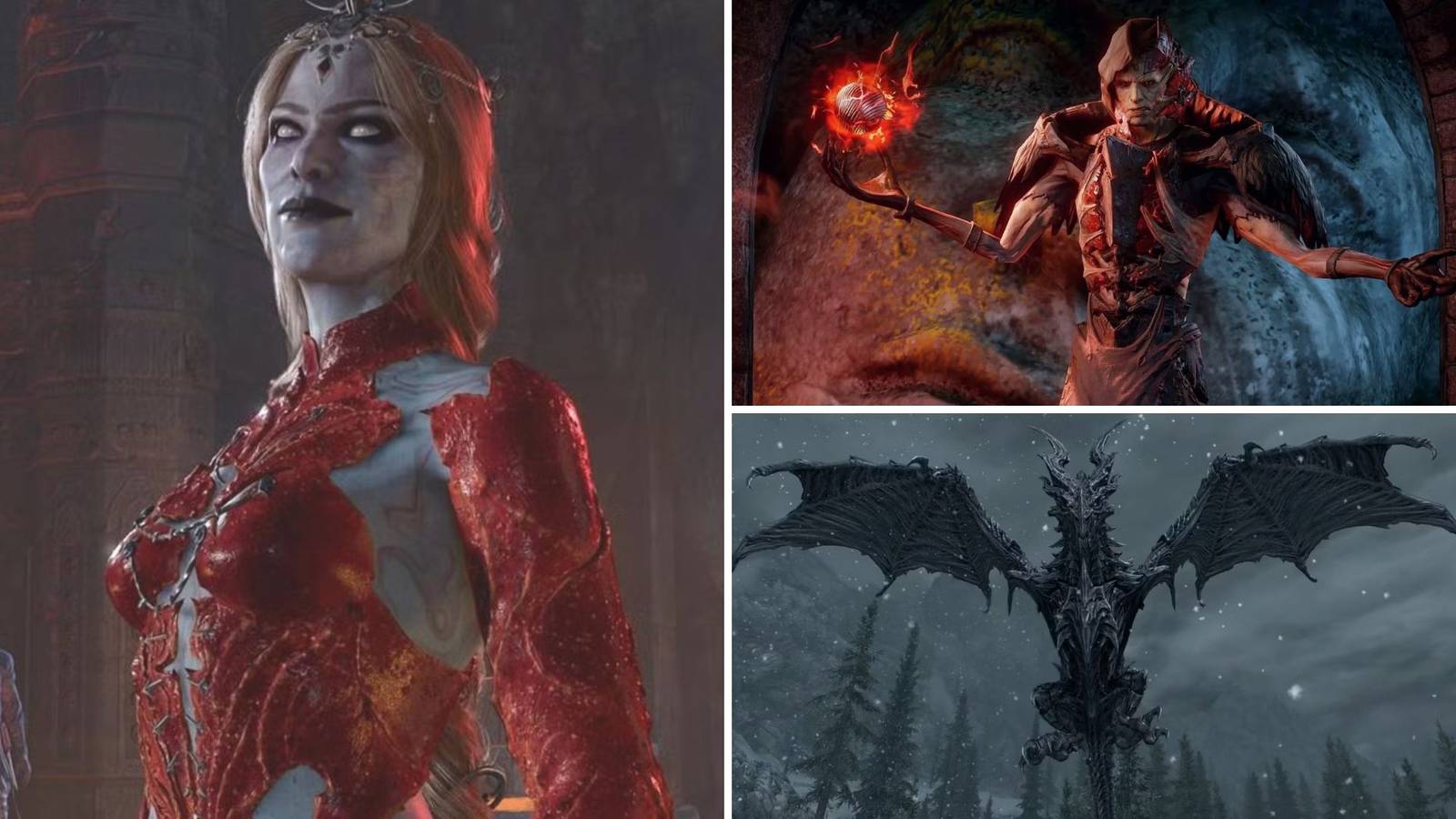
- Game: The Elder Scrolls V: Skyrim
- Developer: Bethesda Game Studios
- Metacritic Score: 94
- Original Release Date: 2011-11-11
In the expansive world of role-playing games, the primary antagonist is often perceived as entirely forgettable when they fail to provide a meaningful counterpoint to the hero's journey. While players frequently invest over 100 hours into these narratives, the quality of the villain can significantly impact the overall satisfaction of the experience. At In Game News, we have analyzed why certain high-profile antagonists fail to leave a lasting impression compared to their more iconic counterparts in the genre.
The Role of the Antagonist in Modern RPGs
The main villain in an RPG typically serves one of two functions: they are either a direct mirror to the protagonist, illustrating a path not taken, or they act as a foundational component of the world's lore. When these characters fall short, the narrative tension often dissipates, leading to discussions regarding the most forgettable RPG villains of all time. Players look for stakes that feel personal; without this connection, the final confrontation often feels like a mechanical requirement rather than a climactic resolution.
As we observe the gaming landscape in 2026, it is clear that the expectations for narrative depth have increased. Players are no longer satisfied with villains who exist solely to be defeated. They require motivations that align with the themes established throughout the game's progression. When a developer fails to establish this, the villain becomes a background element, leaving the player with a sense of emptiness upon reaching the conclusion of their quest.
Analyzing The Witcher 3: Wild Hunt and Its Antagonists
A frequent subject in The Witcher 3 Wild Hunt weakest antagonists analysis is Eredin Bréacc Glas, the King of the Wild Hunt. While the game itself is lauded for its complex side quests and rich world-building, the primary antagonist has faced criticism for a lack of screen time and depth. Despite being the driving force behind the game's central conflict, Eredin often remains a distant, enigmatic threat rather than a fully realized character with whom the player can engage on a personal level.
This distance creates a disconnect. Because the player spends the majority of their time interacting with the intricacies of the Continent, the Wild Hunt can feel like a secondary concern rather than the primary focus. For those interested in deeper discussions on character writing, check out our narrative analysis coverage.
Critiquing The Elder Scrolls V: Skyrim
Released on November 11, 2011, The Elder Scrolls V: Skyrim remains a staple of the RPG genre with a Metacritic score of 94. However, the game is also a frequent subject in the The Elder Scrolls V Skyrim main villain critique. Alduin, the World-Eater, serves as the primary threat, yet his presence is often overshadowed by the sheer scale of the open world. Because the game encourages players to explore at their own pace, the urgency of the main quest—and by extension, the threat posed by Alduin—can feel diluted.
The structure of the game, which allows for hundreds of hours of exploration across platforms including PC, PlayStation 5, and Xbox Series S/X, naturally pulls the player away from the main narrative. Consequently, the antagonist often feels like a distant shadow rather than an active participant in the player's personal story. This is a common challenge for open-world titles where the freedom of the player is prioritized over a strictly linear narrative structure.
Why Are Some RPG Main Villains So Forgettable?
The question of why are some RPG main villains so forgettable often boils down to narrative integration. When a villain is introduced too late or lacks sufficient interaction with the protagonist, the emotional payoff of the final boss fight is significantly reduced. In contrast, the best villains in the genre are those who are woven into the fabric of the story, constantly challenging the player's decisions and morality.
Furthermore, the trend of are RPG villains getting worse in 2026 is a topic of ongoing debate among critics. While the technical fidelity of games has improved, the writing of antagonists remains a complex task. Developers must balance the need for an epic, world-ending threat with the necessity for intimate, character-driven conflict. When the balance tips too far toward the former, the villain risks becoming a generic force of nature rather than a compelling personality.
- Lack of Personal Stakes: The villain does not interact with the protagonist's personal goals.
- Over-reliance on Lore: The antagonist is explained through history books rather than active gameplay.
- Limited Screen Time: The villain only appears at the very beginning and the very end of the game.
- Generic Motivations: The desire to destroy or rule the world without a nuanced reason.
For more insights on how game design influences player perception, visit our game design analysis.
Frequently Asked Questions
Why are some RPG main villains so forgettable?
Main villains often become forgettable when they lack personal stakes, fail to challenge the player's ideology, or serve merely as a generic obstacle rather than a developed character.
What makes an RPG villain successful?
A successful RPG villain typically acts as a mirror to the protagonist, provides meaningful context for the game's lore, and creates a lasting emotional impact through their presence.
Are RPG villains getting worse in 2026?
While player expectations have evolved, the perception of villain quality often depends on how well the antagonist integrates into the narrative rather than a decline in industry standards.