
Why Zelda II: The Adventure of Link Deserves Better in 2026
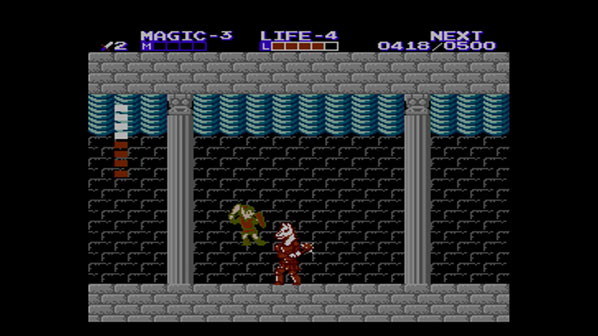
Zelda II: The Adventure of Link deserves better than its reputation as a black sheep, standing as a pivotal, albeit unconventional, chapter in Nintendo's storied history. Originally released on January 14, 1987, for the Nintendo Entertainment System, this title represents a bold experimental shift from the top-down perspective established by its predecessor. As we look at the franchise in 2026, understanding the historical context of this entry is essential for any player curious about the evolution of the series.
- Game: Zelda II: The Adventure of Link
- Developer: Nintendo
- Original Release Date: 1987-01-14
- Platforms: NES, GameCube, Game Boy Advance, Wii, Wii U, Nintendo 3DS
Is Zelda 2: The Adventure of Link Worth Playing in 2026?
In our coverage here at In Game News, we often examine how early titles inform the mechanics of modern releases. When asking if Zelda II: The Adventure of Link is worth playing in 2026, the answer lies in its unique identity as an action-RPG. Unlike the later iterations that defined the series' top-down exploration, this game utilizes a side-scrolling combat system that requires precise timing and tactical movement. For players interested in the retro gaming experience, it offers a level of challenge that is rarely seen in contemporary titles.
The game’s reputation has been shaped by decades of discourse, including resurfaced interviews with legendary designer Shigeru Miyamoto. These historical insights suggest that the title was intended to break the mold rather than replicate the success of the original game. By analyzing its mechanics through a modern lens, it becomes clear that the game was not a failure of design, but a deliberate attempt to iterate on the concept of what a Zelda title could be.
Why is Zelda 2: The Adventure of Link Considered Underrated?
The perception of why Zelda II: The Adventure of Link is considered underrated often stems from its departure from the established series conventions. By incorporating side-scrolling platforming and traditional RPG statistics, it alienated some players who expected a direct sequel to the original formula. However, this departure is exactly what makes it a subject of interest for historians and enthusiasts of the Nintendo library.
The Influence of Miyamoto’s Vision
Shigeru Miyamoto’s involvement in the early days of the franchise remains a cornerstone of our understanding of the company. Interviews from the early 2000s, such as those found in the magazine Superplay, highlight that the development team at Nintendo was actively experimenting with different genres. The decision to move away from the top-down perspective was a calculated risk that allowed the team to explore combat depth in a way that the hardware of the time struggled to accommodate in a pure top-down environment.
Comparing the Experience to Modern Titles
When evaluating how does Zelda 2: The Adventure of Link compare to modern Zelda games, the primary difference is the focus on mechanical precision. Modern entries prioritize open-world exploration and physics-based problem-solving. In contrast, this NES title demands a mastery of its specific side-scrolling combat loops. It is a more linear, punishing experience that rewards patience and persistence, traits that are often absent in the more guided experiences of today.
Zelda 2: The Adventure of Link Retrospective Analysis 2026
Looking back at the game after nearly four decades, the technical limitations of the NES are apparent, yet the ambition remains impressive. The game introduced concepts that would eventually become staples of the genre, even if they were presented in a different format. The following list outlines the key differences that set this title apart:
- Perspective: Shifted from top-down to side-scrolling for combat and dungeon exploration.
- RPG Elements: Introduced experience points and leveling systems for Link’s abilities.
- Combat: Required a more defensive, reactive approach compared to the hack-and-slash nature of the original.
- Difficulty: Known for a steep learning curve that remains a benchmark for difficulty in 8-bit gaming.
For those considering picking up the game today, it is important to acknowledge that it does not hold the player's hand. It is a product of its time, designed for an audience that expected to spend hours mastering a single title. While it may not be the most accessible entry point for new players, it is a vital piece of the puzzle for understanding the broader lineage of the franchise.
Frequently Asked Questions
As we continue our analysis of the history of Nintendo, we address some of the most common inquiries regarding this title.
Is Zelda 2: The Adventure of Link worth playing in 2026?
Yes, the game remains a significant part of Nintendo's history and offers a unique side-scrolling RPG experience that distinguishes it from other entries in the series.
Why is Zelda 2: The Adventure of Link considered underrated?
The game is often viewed as an outlier due to its shift toward side-scrolling and RPG mechanics, leading many to overlook its contributions to the franchise's development.
Is Zelda 2: The Adventure of Link a good entry point for new players?
While it is a foundational title for the series, its high difficulty and distinct gameplay mechanics make it a challenging starting point compared to more accessible modern Zelda games.