
Destiny 2 Final State Analysis: Why Bungie Ended Support in 2026
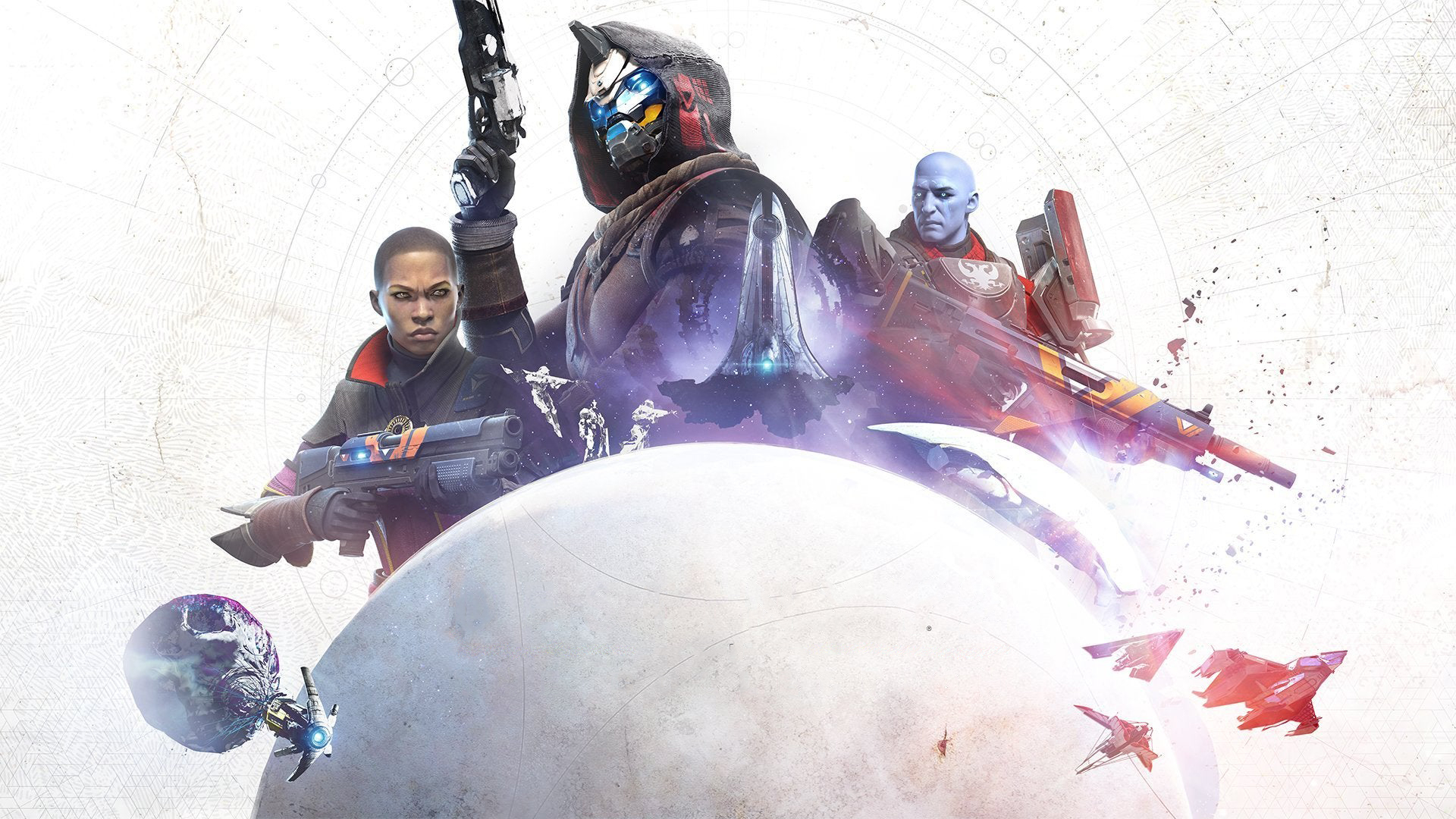
- Game: Destiny 2
- Developer: Bungie
- Original Release Date: September 6, 2017
- Platforms: PC, PlayStation 5, Xbox One, PlayStation 4, Xbox Series S/X, Web
While industry giants like Grand Theft Auto VI from Rockstar Games dominate the conversation in 2026, the gaming world is also processing the conclusion of Bungie’s long-running shooter, Destiny 2. Much like the sustained cultural impact seen with Baldur's Gate 3 (BG3), Destiny 2 maintained a massive player base for years, but 2026 marks the official end of its active development cycle. As we reflect on the title's history, it is clear that the game is moving into a final state, leaving many to wonder about the legacy of this action-oriented experience.
The Final State of Destiny 2 in 2026
The transition of Destiny 2 into its final phase has prompted a shift in how the community interacts with the game. Originally released on September 6, 2017, the title established itself as a staple of the shooter genre on PC, PlayStation 5, Xbox Series S/X, and legacy consoles. In 2026, the focus has moved away from new content drops, with Bungie pivoting its internal teams toward newer initiatives. For those asking is Destiny 2 still worth playing in 2026, the answer lies in the vast repository of content that remains accessible, even as the roadmap for future updates has been officially halted.
The game currently holds a Metacritic score of 82, reflecting a history of critical reception that balanced technical proficiency with the challenges of a live-service model. At In Game News, our coverage has tracked these shifts closely, noting how the game’s final state is characterized by a lack of new seasonal activities, which were once the heartbeat of the player experience. Players who remain active are primarily engaging with the established endgame, raids, and legacy campaigns that defined the game's peak years.
Understanding the Development Shift
Many players have asked what happened to Destiny 2 development that led to this current outcome. The decision to conclude active support was not an overnight occurrence but rather a gradual recalibration of Bungie's corporate strategy. By shifting resources, the studio has effectively signaled the end of the Destiny era as a primary revenue and engagement engine. This move aligns with broader industry trends where studios move to sunset older titles to prioritize new intellectual property.
The impact of this decision is visible in the current meta and the state of the game's sandbox. Without the promise of future balance patches or new weapon archetypes, the community has settled into a stable, albeit static, environment. This transition has raised questions regarding why did Bungie end Destiny 2 support, with most analysts pointing to the natural lifecycle of a decade-old live service product that required significant overhead to maintain at the scale expected by its audience.
Community Reflections and Legacy
As we look at the broader gaming landscape, the conclusion of Destiny 2 serves as a case study for the longevity of digital-only service games. Unlike titles that can be played offline, the reliance on Bungie's servers means that the question of is Destiny 2 shutting down in 2026 remains a point of concern for preservationists. While the game remains playable, the cessation of development means that the "dignity" of its final state is defined by its existing content rather than future expansion.
We have documented the following key milestones in the game's lifecycle:
- 2017: Initial launch on consoles and PC, setting a new standard for console shooters.
- 2019-2022: Significant expansion years that saw the introduction of new subclasses and narrative arcs.
- 2024: The beginning of the transition period as Bungie signaled a change in development priorities.
- 2026: The official conclusion of active support, moving the game into a maintenance-focused state.
For more on how major titles manage their end-of-life phases, check out our industry analysis coverage. We have also provided a look at how other long-running franchises handle transitions in our gaming history archives.
The Impact of Live Service Transitions
The end of Destiny 2 provides a stark contrast to games that rely on singular, offline experiences like Baldur's Gate 3. While BG3 continues to thrive on its replayability and modding community, Destiny 2 was built on the premise of constant updates. Without that cycle, the game functions as a relic of its time. The technical foundation, which once felt modern on the PlayStation 5 and Xbox Series X, now serves as a reminder of the rapid pace of hardware and software evolution in the gaming sector.
Our reporting at In Game News suggests that the player base has largely accepted this transition, with many moving on to newer titles that occupy the space Destiny 2 is vacating. The decision to stop development allows the studio to avoid the diminishing returns associated with maintaining a massive, aging codebase. While the loss of a primary shooter platform is significant, it is a reality of the current market where even the most successful games eventually reach their natural conclusion.
Frequently Asked Questions
Is Destiny 2 shutting down in 2026?
Destiny 2 is entering a final state of support in 2026, marking the conclusion of its active development cycle as Bungie shifts focus away from the title.
Why did Bungie end Destiny 2 development?
Bungie ended Destiny 2 development to transition internal resources toward future projects, effectively closing the chapter on the long-running action shooter.
Is Destiny 2 still worth playing in 2026?
Whether Destiny 2 is worth playing in 2026 depends on your interest in experiencing the final state of the game's narrative and existing content libraries before active support concludes.
Destiny 2 Monument of Triumph Update: Official 2026 Trailer DetailsAction
Destiny 2 Final Update Details: Bungie Confirms Story Conclusion for ...Action
Destiny 2 Sunsetting Sparks Backlash During 2026 PlayStation State of...Action
Is Destiny 2 Worth Playing in 2026? A Look at the Player Sentiment