Article by Mohammad Rauf • Senior Writer, In Game News …

Dungeon Lurker Metatextual Secrets and Roguelike Gameplay 2026
⚡ Quick Facts
- Game: Dungeon Lurker
- Platform: PC
- Genre: Roguelike / Dungeon Crawler
- Key Feature: Metatextual narrative integration
Dungeon Lurker has gained significant attention in 2026 for its ability to blend traditional roguelike mechanics with a deep, hidden metatextual layer, offering an experience that stands apart from mainstream titles like Minecraft or the expansive worlds found in Elden Ring: Shadow of the Erdtree. While players often compare the accessibility of Mojang's Bedrock Edition to broader survival experiences, Dungeon Lurker focuses on a tighter, more claustrophobic loop that challenges the player's perception of the game environment itself.
Understanding Dungeon Lurker Roguelike Gameplay Details 2026
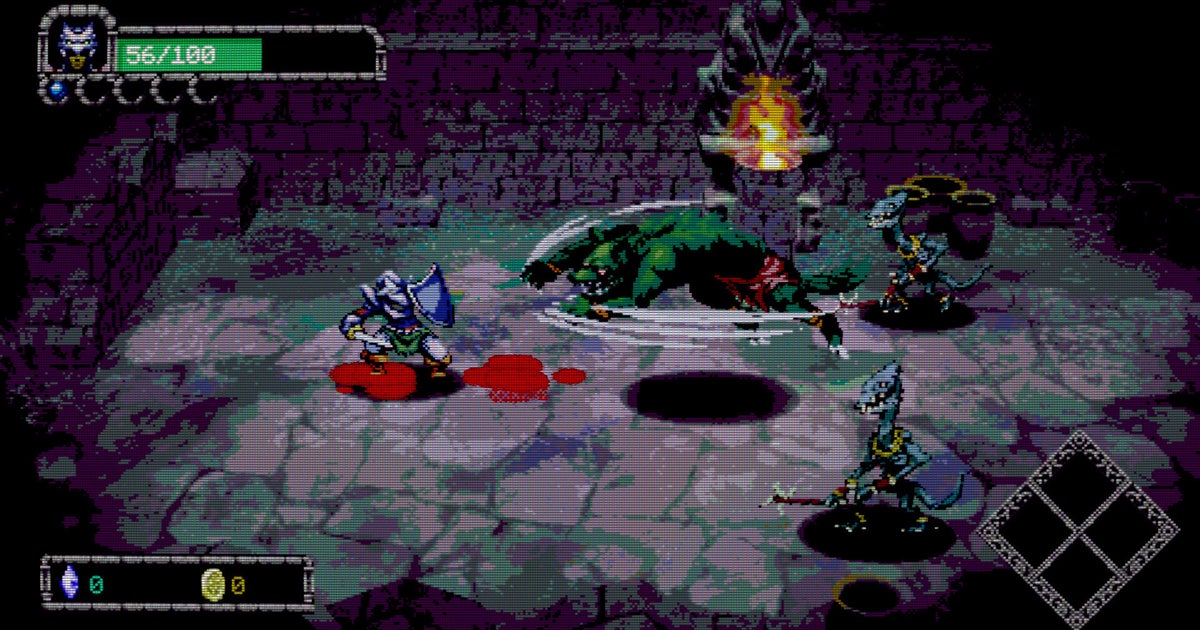
At its core, Dungeon Lurker is a punishing roguelike that forces players to manage limited resources while navigating procedurally generated corridors. Unlike many titles that rely on high-fidelity graphics, this game utilizes a specific, grimey pixel art style to communicate information. The visual language is designed to be intentionally abrasive, ensuring that every enemy encounter and environmental hazard feels tactile and dangerous. In our coverage at In Game News, we have observed that the difficulty curve is intentionally steep, requiring players to master specific combat timings and movement patterns to survive beyond the initial stages.
The dungeon crawling mechanics are built on a foundation of risk versus reward. Every item gathered or health pack consumed carries weight, as the game does not provide traditional safety nets. Players must account for environmental degradation and the persistent threat of being hunted by entities that react to player behavior. This creates a loop where the player is constantly learning the rules of the dungeon, only to find that those rules shift as they progress deeper into the game's architecture.
The Metatextual Secret Beneath the Surface
What truly separates this title from other entries in the genre is the metatextual secret hidden within its code and narrative delivery. The game actively references the player's own interactions with the interface, suggesting that the dungeon is not merely a setting but a responsive system that observes the user. This layer of complexity ensures that the game remains a topic of discussion among enthusiasts who enjoy titles that break the fourth wall.
For those interested in how this compares to other complex titles, you can read more in our roguelike genre analysis. The integration of these secrets is not merely aesthetic; it impacts the way players approach the game's progression. By treating the game as an entity rather than just a product, the developers have created a sense of unease that persists even when the player is not actively engaged in combat.
Visual Design and Aesthetic Choices
The pixel art in Dungeon Lurker is often described as 'crunchy.' This refers to the high-contrast, low-resolution sprites that prioritize atmosphere over clarity. By avoiding the polished look of modern mobile ports or the expansive, blocky nature of Minecraft, the art team has crafted a visual identity that feels suffocating and grounded. The grimey textures are not just for show; they serve to obscure traps and enemy silhouettes, forcing the player to pay closer attention to audio cues and subtle screen flickers.
This approach to visual design is a deliberate choice to maintain the tension necessary for a successful roguelike. When every pixel is a potential threat, the player remains in a state of high alert. This is a significant departure from the more relaxed pacing found in other PC titles, and it serves to reinforce the game's core theme of isolation. For more information on how visual styles impact player retention, check out our game design reporting.
Dungeon Crawling Mechanics Explained
The mechanical loop of Dungeon Lurker is defined by three primary pillars:
- Resource Scarcity: Players must prioritize survival over exploration, as health and stamina do not regenerate automatically.
- Adaptive AI: Enemies learn from player patterns, forcing the user to constantly adjust their combat style.
- Environmental Hazards: The dungeon itself is an antagonist, featuring shifting walls and traps that trigger based on player proximity.
These mechanics work in tandem to ensure that no two runs feel identical. While the game does not feature the massive, open-ended world design of Elden Ring: Shadow of the Erdtree, it provides a dense, focused experience that rewards patience and tactical thinking. The reliance on player skill rather than character leveling makes every run an exercise in personal improvement.
Frequently Asked Questions
What is the metatextual secret in Dungeon Lurker?
The metatextual secret involves the game acknowledging its own nature as a simulation, blurring the lines between the player's actions and the game's internal logic.
Is Dungeon Lurker worth playing in 2026?
Dungeon Lurker remains a relevant choice for fans of challenging roguelikes who appreciate grimey, detailed pixel art and layered, non-linear storytelling.
What makes Dungeon Lurker pixel art unique?
The game utilizes a distinct, crunchy, and grimey aesthetic that emphasizes atmospheric dread and tactile feedback, separating it from cleaner, modern pixel art styles.
📖 Read More