
Gaijin Entertainment Addresses War Thunder AI Texture Controversy in 2026
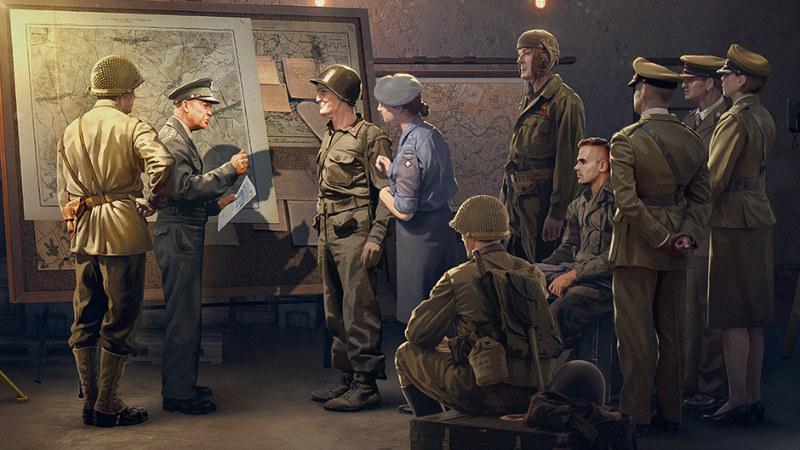
Gaijin Entertainment has officially addressed recent reports regarding the presence of generative AI-created assets within War Thunder, confirming that such practices are unauthorized and violate existing contracts with their external partners. As part of our ongoing Gaming News coverage at In Game News, we have examined the developer's statement regarding how these materials entered the Video Games ecosystem and the steps being taken to rectify the situation.
- Game: War Thunder
- Developer: Gaijin Entertainment
- Platforms: PC, Xbox One, PlayStation 4, macOS, Linux
- Release Date: 2013-08-15
- Metacritic Score: 81
Official Gaijin Response to War Thunder Texture Controversy
Following community feedback, Gaijin Entertainment issued a formal statement clarifying their stance on the use of artificial intelligence in their production pipeline. The developer confirmed that the use of generative AI for in-game vehicle textures is strictly prohibited under their current outsourcing agreements. During an internal investigation, the studio identified that a specific outsourcing team had utilized generative AI tools while preparing materials for vehicle models without obtaining the necessary approval from the publisher.
Gaijin Entertainment acknowledged that these assets bypassed their internal quality control processes, leading to their inclusion in the live game environment. The studio is currently conducting a thorough review of all assets delivered by the involved outsourcing team and is in the process of reassessing their future professional cooperation with them. Furthermore, the developer is actively modifying their internal quality control procedures to ensure that such oversights are mitigated in future updates.
War Thunder M60 Texture AI Usage Explained
One of the primary concerns raised by the player base involved the M60 tank, specifically regarding a tiled camouflage texture that appeared to feature AI-generated artifacts. Gaijin explained that this instance involved the use of a placeholder texture generated by an outsourcing team during the early stages of production. In standard development workflows, placeholder materials—such as procedural tiles—are used to evaluate the visual integrity of a model before the final, high-fidelity textures are finalized.
In this specific case, the outsourcing team utilized a generative AI tool to create this temporary placeholder. While the intention was to use it only as a development aid, the asset was inadvertently moved further along the production pipeline and eventually implemented into the game. The developer emphasized that this was a failure of the established production process and that additional measures are being implemented to prevent similar occurrences. For more details on the game's development history, you can visit our War Thunder coverage.
Clarification on Challenger 2 OES and Design Elements
The investigation also covered the Challenger 2 OES (Senrai Maidens), which had been the subject of community speculation regarding potential AI usage. Gaijin Entertainment clarified that the vehicle design itself was created entirely by human artists. The studio explicitly denied the presence of AI-generated logos in the tank’s core design materials, noting that the visual elements on the black flag mounted at the rear of the turret were the result of human design exploration. Various iterations of the flag were tested during development, including versions with different star configurations.
However, the developer admitted that a Gemini-related watermark appeared on vinyl record artwork associated with the Challenger 2. This watermark was introduced during the processing of manually created reference materials by the same outsourcing team responsible for the M60 error. Gaijin confirmed that this inclusion was unauthorized and should have been caught during the quality control phase. The studio has extended an apology to the player community for these oversights and expressed gratitude toward the users who brought these issues to their attention. For broader industry trends, refer to our industry news archive.
Future Quality Control and Pipeline Improvements
The incident has prompted a broader look at how Gaijin Entertainment manages its external partnerships. By reviewing the delivery pipeline, the studio aims to ensure that all assets—whether created internally or by third-party contractors—adhere to their strict standards of content creation. The focus remains on maintaining the visual fidelity and historical accuracy that players expect from the title, which has maintained a Metacritic score of 81 since its initial release in 2013.
As the studio continues to update the game across PC, Xbox One, PlayStation 4, macOS, and Linux, the transparency regarding these production errors serves as a point of reference for their ongoing commitment to community feedback. The developer has reiterated that their primary goal is to maintain the integrity of the game's assets and that they will continue to monitor the output of all partners to ensure compliance with their internal policies regarding generative technology.
Frequently Asked Questions
Did Gaijin use AI for War Thunder vehicle models?
Gaijin Entertainment stated that the use of generative AI for in-game vehicle textures is not authorized and is prohibited under their contracts with outsourcing partners.
What is the official Gaijin policy on generative AI in 2026?
Gaijin Entertainment maintains a policy that strictly prohibits the use of generative AI by outsourcing teams for the creation of in-game vehicle models and textures.
How did AI-generated textures appear in War Thunder?
An outsourcing team used AI-generated placeholder textures during the production process, which were then inadvertently included in the final game assets due to a failure in internal quality control.
Join the conversation