
Gambonanza 2026 Analysis: Blukulélé Studio's Chess Roguelike Explained
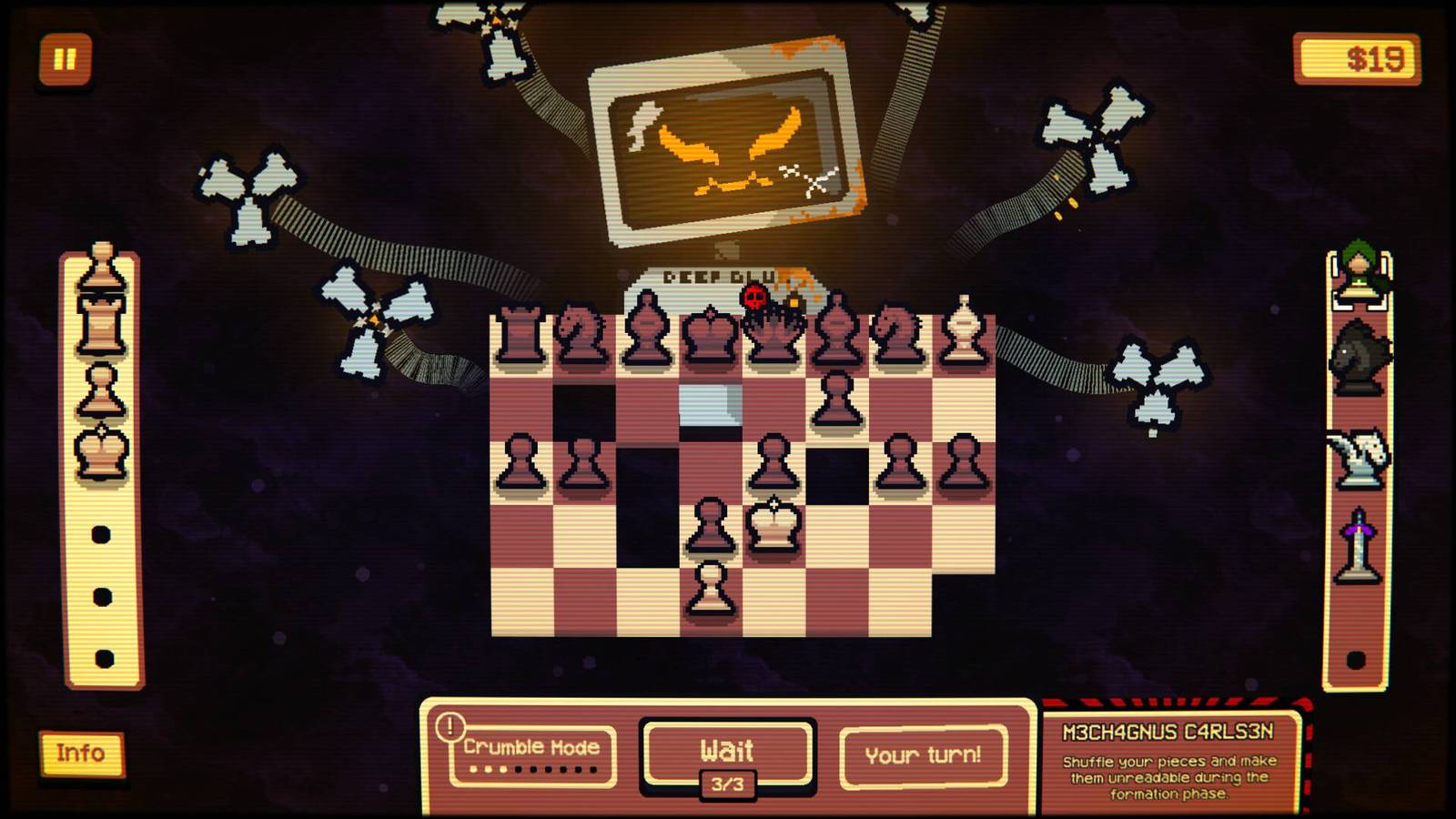
Gaming news regarding the PC title Gambonanza, developed by Blukulélé Studio and published by Sidekick Publishing, highlights a unique intersection of traditional board game mechanics and modern roguelike progression. Released in May, the title challenges players to rethink the standard rules of chess while retaining the familiar movement patterns of its iconic pieces. As we track the latest developments in video games here at In Game News, it is clear that Blukulélé Studio’s solo developer, Paul Giovannini, has focused on utilizing the inherent familiarity of chess to build a complex system of chained interactions.
- Game: Gambonanza
- Developer: Blukulélé Studio
- Platform: PC
- Release Date: May 2026
Gambonanza Blukulélé Studio game analysis
The core design philosophy behind Gambonanza centers on the concept of constraints. Giovannini noted that by using chess as a foundation, he could rely on the player's existing knowledge of piece movement and board layout. This allowed the development to focus on modifying expectations rather than forcing the player to learn entirely new movement rules. In our coverage of indie gaming trends, we have observed that this approach effectively lowers the barrier to entry while allowing for deep, systemic complexity.
Mechanically, the game deviates significantly from standard chess. The most notable change is the status of the king. In Gambonanza, capturing the king does not result in an immediate loss. In fact, players can possess multiple kings on the board simultaneously. While the king remains restricted to one-square movement, it can be modified to become a powerful asset depending on the player's current equipment and active modifiers.
What is the gameplay style of Gambonanza
The gameplay style of Gambonanza is heavily influenced by the roguelike genre, specifically drawing inspiration from titles like Balatro. Players utilize 'gambits'—which function similarly to jokers—and modified tiles to alter the board state. These elements apply special effects when a piece lands on a specific tile, creating a system where simple logic gates, such as 'if X happens, then Y happens,' drive the progression of a run.
The complexity emerges when these effects chain together. A single move can trigger a sequence where a piece capture leads to a gold reward, which then triggers a tile effect, potentially spawning additional pieces or granting temporary invincibility. This reflexive style of play, which dominates the later stages of a run, stands in stark contrast to the deliberate, turn-based planning required during the opening phases of a match.
The evolution of a run
Early-game strategy requires careful resource management. Players must capture opponent pieces efficiently to maximize their gains, as resources are initially limited. However, as a run progresses toward the third stage, the game shifts. The focus moves away from traditional chess strategy and toward managing the chaotic synergy of the player's active gambits. This shift is where many players find the most engagement, as the board state can spiral into highly complex, automated reactions that barely resemble the game of chess that started the session.
Why is Gambonanza considered an underappreciated game
The status of Gambonanza as an underappreciated title often stems from its niche fusion of genres. By combining the rigid, ancient rules of chess with the unpredictable, high-variance nature of roguelikes, it occupies a specific space that may not appeal to traditionalists of either genre. However, those who follow our PC gaming reports recognize the value in such experimental design. The game rewards players who are willing to experiment with the 'if-then' logic of its systems to find powerful, game-breaking combinations.
Community feedback, particularly from the game's Discord server, illustrates the depth of these interactions. Players have reported instances where a sequence of events—such as losing a rook to gain gold, triggering a 'blessed' tile to duplicate the piece, and activating a templar effect for protection—creates a feedback loop that completely alters the board. This level of emergent gameplay is a primary reason why the title maintains a dedicated, albeit specific, player base.
Frequently Asked Questions
The following questions address common inquiries regarding the mechanics and reception of the game as of 2026.
- Is Gambonanza worth playing in 2026?
Gambonanza is worth playing for those interested in a roguelike that transforms traditional chess mechanics into a fast-paced, synergy-driven experience. - What is the gameplay style of Gambonanza?
The gameplay style of Gambonanza involves using chess pieces on a board where movement is familiar, but the objective is shifted to resource management and chaining 'gambit' effects. - Is Gambonanza a good chess roguelike game?
Gambonanza is considered a strong chess roguelike by players who enjoy chaining complex interactions and modifiers, effectively moving away from standard chess strategy as runs progress.